
Over three million American adults have dental implants and that number keeps growing every year. Successful recovery after the procedure is more than luck. It depends on a strong plan and careful attention to your comfort. By learning proven strategies for pain relief, oral hygiene, and daily care, you can set the stage for faster healing and fewer complications.
Table of Contents
- Stage 1: Prepare For Post-Procedure Comfort
- Stage 2: Manage Swelling And Pain Effectively
- Stage 3: Maintain Proper Oral Hygiene Daily
- Stage 4: Monitor Healing And Watch For Issues
- Stage 5: Schedule Regular Dental Checkups
Quick Summary
| Key Point | Explanation |
|---|---|
| 1. Prepare Your Recovery Space | Stock soft foods and arrange a comfortable recovery area before the procedure for optimal healing. |
| 2. Manage Pain and Swelling | Use prescribed NSAIDs and cold compresses to control discomfort, switching to warmth after 48 hours for healing. |
| 3. Maintain Gentle Oral Hygiene | Use a soft toothbrush and follow specific rinsing instructions to protect the surgical area and promote cleanliness. |
| 4. Monitor Recovery for Complications | Track symptoms and note any unusual signs, documenting your progress to communicate effectively with your dentist. |
| 5. Schedule Regular Checkups | Follow through with dental appointments to ensure successful integration and address any concerns during recovery. |
Stage 1: Prepare for Post-Procedure Comfort
Successful dental implant recovery starts with strategic preparation and smart self-care. Your first priority is creating an optimal healing environment that supports your body’s natural recovery process after the procedure.
The University of Maryland Faculty Dental Clinic recommends a careful approach to immediate post-surgery care. Stock your kitchen with soft foods like yogurt, smoothies, mashed potatoes, and scrambled eggs that require minimal chewing. Prepare cold compresses by placing ice packs in your freezer. Arrange your living space so essential items are within easy reach without stretching or straining.
Your recovery zone should prioritize comfort and minimize potential surgical site disruption. Arrange pillows to help you rest at a slight elevation which can reduce swelling and discomfort. Keep pain medication and prescribed antibiotics easily accessible. Consider preparing loose comfortable clothing that won’t put pressure on your surgical area. Most importantly, arrange for someone to help you during the first 24 to 48 hours if possible.
Pro Tip: Create a recovery kit with soft foods, cold compresses, medications, and entertainment like books or streaming services to keep yourself comfortable and distracted during initial healing.
By thoughtfully preparing your environment before the procedure, you set yourself up for a smoother recovery with less stress and potential complications.

Stage 2: Manage Swelling and Pain Effectively
Pain and swelling are common experiences after dental implant surgery, but you can manage these symptoms strategically to promote faster healing and improve your comfort. Understanding the right techniques will help you navigate the initial recovery period with confidence.
Systematic research on postoperative pain management demonstrates that nonsteroidal anti inflammatory drugs (NSAIDs) are highly effective for controlling discomfort. Your dentist will likely recommend a specific pain management protocol, but generally this involves alternating between ibuprofen and acetaminophen to reduce inflammation and manage pain. Apply cold compresses to the exterior of your cheek for 15 minutes at a time during the first 48 hours. This helps constrict blood vessels, reducing swelling and providing natural pain relief.
As swelling peaks around 48 to 72 hours after surgery, transition to warm compresses to promote circulation and healing. Keep your head elevated while resting, even when sleeping, which helps minimize fluid accumulation and reduces potential discomfort. Stay hydrated and avoid extremely hot or cold foods that might trigger sensitivity.
Pro Tip: Track your pain levels and medication intake. This helps you communicate effectively with your healthcare provider and ensures you stay within recommended dosage guidelines.
By proactively managing pain and swelling, you create optimal conditions for your body to heal efficiently after dental implant surgery.
Stage 3: Maintain Proper Oral Hygiene Daily
Maintaining impeccable oral hygiene after dental implant surgery is crucial for successful healing and long term implant health. Your daily care routine will require precision and gentleness to protect your new dental investment.
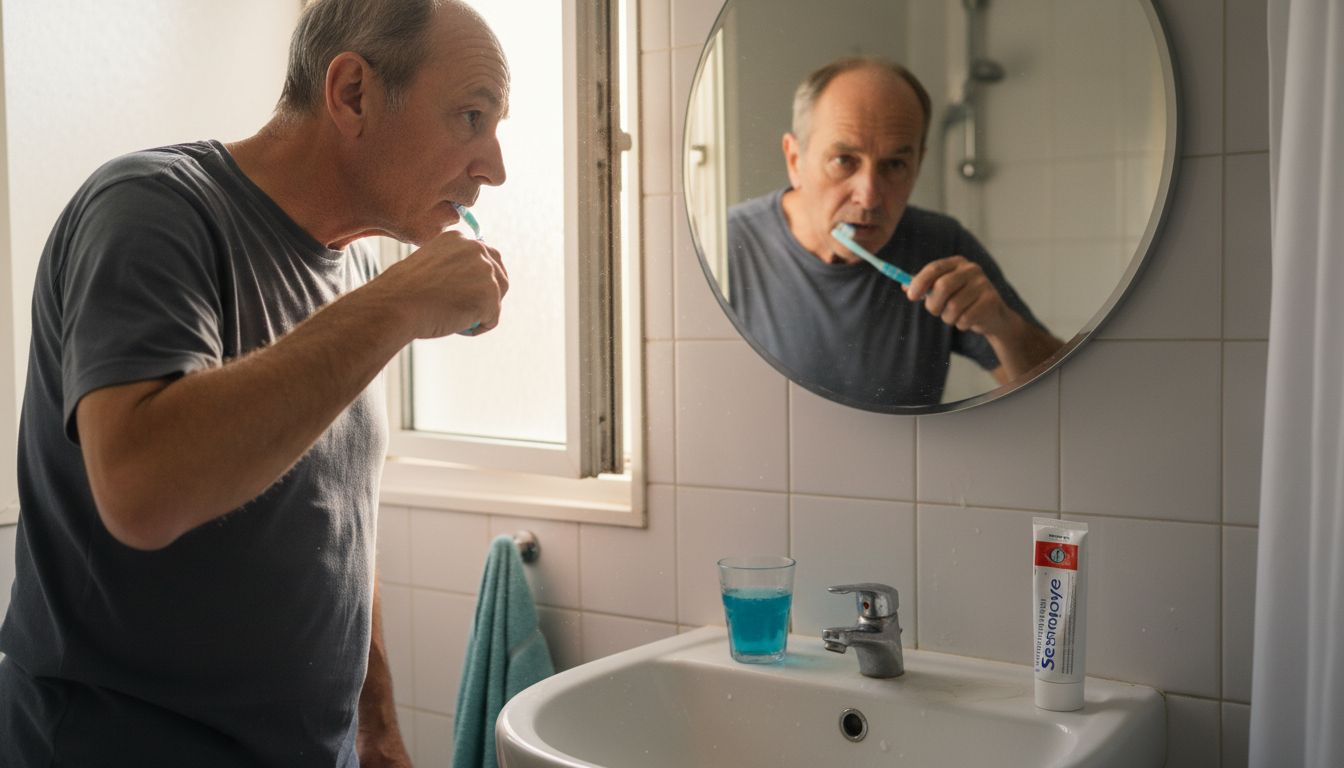
Surgical instructions from leading dental clinics emphasize the importance of careful cleaning techniques. Start by using a soft bristled toothbrush and gentle circular motions, being extra careful around the surgical site. Your dentist will likely recommend specific antimicrobial rinses to reduce bacteria and promote healing. Warm salt water rinses multiple times daily can help keep the area clean without irritating sensitive tissues.
In the first week, focus on minimal disruption to the surgical area while maintaining overall oral cleanliness. Use prescribed antibacterial mouth rinses as directed, typically holding them in your mouth for 30 seconds before carefully spitting. Avoid aggressive rinsing or spitting that could dislodge blood clots or disturb healing tissues. When flossing, use extra caution and consider specialized implant care floss recommended by your dental professional.
Pro Tip: Keep a dedicated soft toothbrush for your implant area and replace it every few weeks to minimize bacterial buildup.
Consistent and gentle oral hygiene practices will significantly contribute to the long term success of your dental implants.
Stage 4: Monitor Healing and Watch for Issues
After dental implant surgery, careful monitoring of your healing process becomes critical to ensure successful long term outcomes. Understanding what constitutes normal recovery and recognizing potential warning signs will help you navigate your post surgical journey confidently.
Scientific research on postoperative dental implant healing reveals specific patterns in pain and swelling that patients can expect during recovery. Most individuals experience slight pain peaking around six hours after surgery and moderate swelling reaching its maximum around 48 hours post procedure. During this period, track your symptoms meticulously. Normal healing involves gradual reduction of discomfort and swelling, with slight bruising potentially appearing and then fading.
Pay close attention to potential red flags that might indicate complications. Persistent or increasing pain beyond the first week, excessive bleeding, sudden temperature changes, or signs of infection like pus discharge require immediate professional consultation. Document your healing progress with periodic photographs and note any changes in sensation around the implant site. Your body provides important signals about the integration process.
Pro Tip: Create a healing journal to track daily symptoms, medication intake, and observations to share with your dental professional during follow up appointments.
Remember that each person’s healing journey is unique. Patience and attentive self monitoring are your best tools for a successful dental implant recovery.
Stage 5: Schedule Regular Dental Checkups
Your dental implant journey requires strategic follow up care to ensure long term success and optimal healing. Scheduling consistent professional checkups is crucial for monitoring your implant integration and overall oral health.
Dental professionals recommend systematic follow up based on individual healing timelines and treatment complexity. Your initial post surgical appointments will be more frequent typically occurring at one week, two weeks, and one month after the procedure. During these visits, your dentist will assess implant stability, check healing progress, and address any potential concerns before they become significant issues.
Prepare for each checkup by documenting any changes or unusual sensations you have experienced. Bring a list of questions about your healing process, and be prepared to discuss your oral hygiene routine. Most dental implant patients require follow up appointments every three to six months during the first year, with annual checkups recommended thereafter. Your specific schedule will depend on your individual healing rate, overall health, and the complexity of your initial implant procedure.
Pro Tip: Set digital reminders for your follow up appointments and keep a personal healing journal to track your recovery milestones.
Consistent professional monitoring transforms your dental implant from a medical procedure into a long term investment in your oral health.
Ensure Your Dental Implant Success with Expert Care at DentalAteliers
Recovering from dental implant surgery can be challenging when dealing with pain, swelling, and strict oral hygiene routines. The article highlights the importance of managing discomfort with NSAIDs, gentle daily cleaning, and close monitoring for signs of complications. If you want personalized guidance and compassionate support through every stage of your healing journey, expert care makes all the difference.
At DentalAteliers.com, Dr. Kunal Narang and his team specialize in dental implant procedures and provide thorough aftercare education tailored to your needs. You will experience a patient-centered practice offering comfort amenities, transparent treatment details, and trusted follow-up support that empowers you to protect your investment and smile confidently.

Take control of your dental implant recovery today by exploring our comprehensive services and scheduling a consultation. Visit DentalAteliers now to start on the path to lasting oral health with personalized expert care designed for your best results.
Frequently Asked Questions
What should I do to prepare for dental implant recovery?
Successful dental implant recovery starts with preparation. Stock your kitchen with soft foods, prepare cold compresses, and arrange your living space for easy access to essentials to minimize movement after the procedure.
How can I effectively manage pain and swelling after dental implant surgery?
To manage pain and swelling, alternate between ibuprofen and acetaminophen as recommended, and apply cold compresses to your cheek for 15-minute intervals during the first 48 hours. Transition to warm compresses after swelling peaks to promote healing and circulation.
What oral hygiene practices should I follow after getting dental implants?
After dental implants, use a soft-bristled toothbrush with gentle circular motions around the surgical site. Rinse your mouth with prescribed antimicrobial solutions or warm salt water several times daily to maintain cleanliness without irritating the area.
How can I monitor my healing progress after dental implant surgery?
Monitor your healing progress by tracking symptoms like pain and swelling over the first week. Document any changes or unusual sensations and take periodic photos of the implant area to discuss during follow-up appointments.
How often should I schedule dental checkups after getting implants?
Schedule dental checkups typically at one week, two weeks, and one month after surgery to assess healing and stability. Continuing follow-ups every three to six months during the first year ensures all aspects of the implant process are monitored effectively.
What should I include in my recovery kit for after dental implants?
Create a recovery kit with essentials like soft foods, cold compresses, pain medications, and items to keep you entertained, such as books or access to streaming services. This can enhance your comfort and distract you during the initial healing phase.
Recommended
- 7 Essential Dental Implant Maintenance Tips for Lasting Results | The Dental Atelier
- How to Relieve Pain from Dental Implant: Effective Tips | The Dental Atelier
- How To Heal Faster After Dental Implants - Dental Ateliers | The Dental Atelier
- Dental Implant Terminology Explained: Complete Guide | The Dental Atelier
- Conte Hair Transplant Guide 2025: Results, Methods & Aftercare | MyHair

.svg)