
Most American adults underestimate the scope of a true dental exam, with studies revealing that nearly 60 percent believe it’s just about checking teeth. Comprehensive exams actually evaluate your entire oral health, from cancer screenings to detailed patient history. Misconceptions about these visits often lead to skipped appointments and hidden health risks. This guide breaks down what a comprehensive dental exam really involves, highlighting exactly why every American should take these appointments seriously.
Table of Contents
- Defining Comprehensive Dental Exams And Misconceptions
- Main Components And Sequence Of An Exam Visit
- Diagnostic Tools And What They Reveal
- What To Expect: Patient Comfort And Communication
- Costs, Insurance, And Affordable Options At DentalAteliers
- Comparing Comprehensive Exams With Standard Checkups
Key Takeaways
| Point | Details |
|---|---|
| Comprehensive Exams vs. Standard Checkups | Comprehensive exams provide a thorough assessment, including medical history reviews and advanced imaging, unlike standard checkups which offer only surface evaluations. |
| Importance of Patient Understanding | Many patients, especially younger ones, underestimate the value of comprehensive exams; scheduling these annually is vital for long-term oral health. |
| Advanced Diagnostic Tools | Technologies like digital radiography and intraoral cameras enhance diagnostic accuracy and allow for early detection of dental issues. |
| Financial Accessibility | Practices like membership plans and flexible payment options can help make comprehensive dental care more affordable for patients. |
Defining Comprehensive Dental Exams and Misconceptions
A comprehensive dental exam represents far more than a routine checkup. According to dental hygiene research, it involves a thorough evaluation that encompasses multiple aspects of oral health, including detailed assessments that go well beyond simply examining teeth.
These exams typically include a holistic review that covers several critical components. Key examination elements include:
- Reviewing complete medical and dental histories
- Conducting extraoral and intraoral tissue assessments
- Performing comprehensive oral cancer screenings
- Evaluating existing teeth and any dental replacements
- Completing radiographic imaging
- Assessing periodontal health and potential risks
Despite their comprehensive nature, many patients misunderstand the purpose and scope of these examinations. Research indicates that misconceptions about dental procedures vary significantly across different age groups, with middle-aged and elderly patients generally demonstrating more accurate understanding of preventive dental care. Younger patients often view dental exams as optional or unnecessary, failing to recognize the critical role these assessments play in maintaining long-term oral health.
Pro Tip for Patients: Schedule your comprehensive dental exam annually, and arrive prepared with a complete medical history to ensure the most thorough and personalized assessment possible.
Main Components and Sequence of an Exam Visit
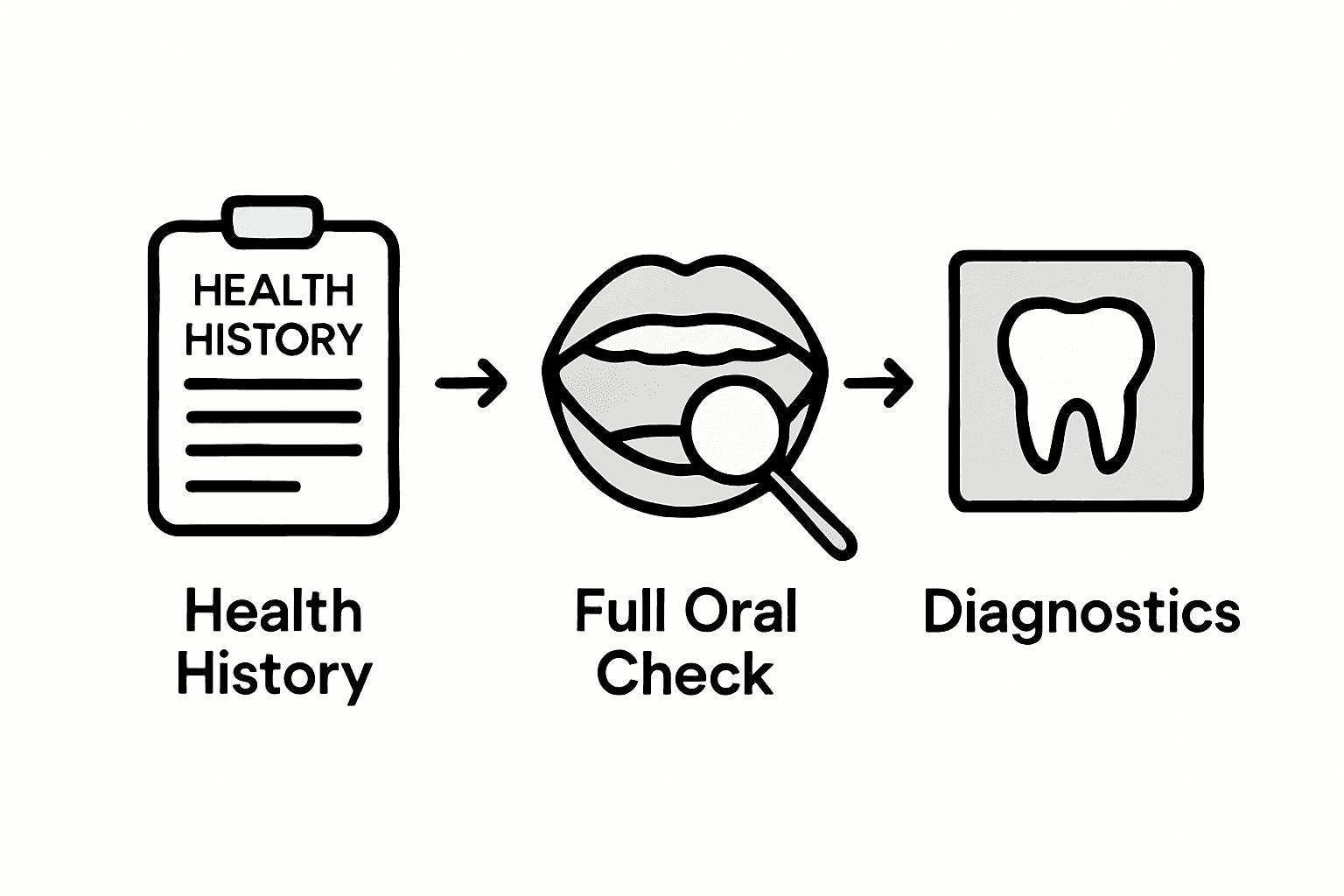
Comprehensive dental exams follow a precise and systematic sequence designed to provide patients with the most thorough oral health assessment possible. Understanding this sequence helps patients feel more prepared and comfortable during their dental visit.
The typical exam visit generally progresses through several critical stages:
- Medical History Review
- Discussing current health conditions
- Reviewing medications
- Identifying potential systemic health impacts on oral health
- Initial Oral Assessment
- External facial structure examination
- Checking jaw alignment and movement
- Evaluating lymph nodes and neck regions
- Detailed Dental Examination
- Comprehensive teeth inspection
- Checking for cavities, wear, and structural issues
- Assessing existing dental work and replacements
- Examining gum health and periodontal condition
- Advanced Diagnostic Procedures
- Digital radiographic imaging
- Detailed periodontal measurements
- Oral cancer screening
- Bite and jaw alignment analysis
Each component of the examination serves a specific purpose in understanding the patient’s overall oral health. Dentists use these systematic assessments to identify potential issues early, develop personalized treatment plans, and prevent future complications. The goal is not just treating existing problems but creating a comprehensive strategy for long-term dental wellness.
Pro Tip for Dental Patients: Arrive at your comprehensive exam with a complete list of current medications and recent medical history to help your dentist provide the most accurate and personalized assessment possible.
Diagnostic Tools and What They Reveal
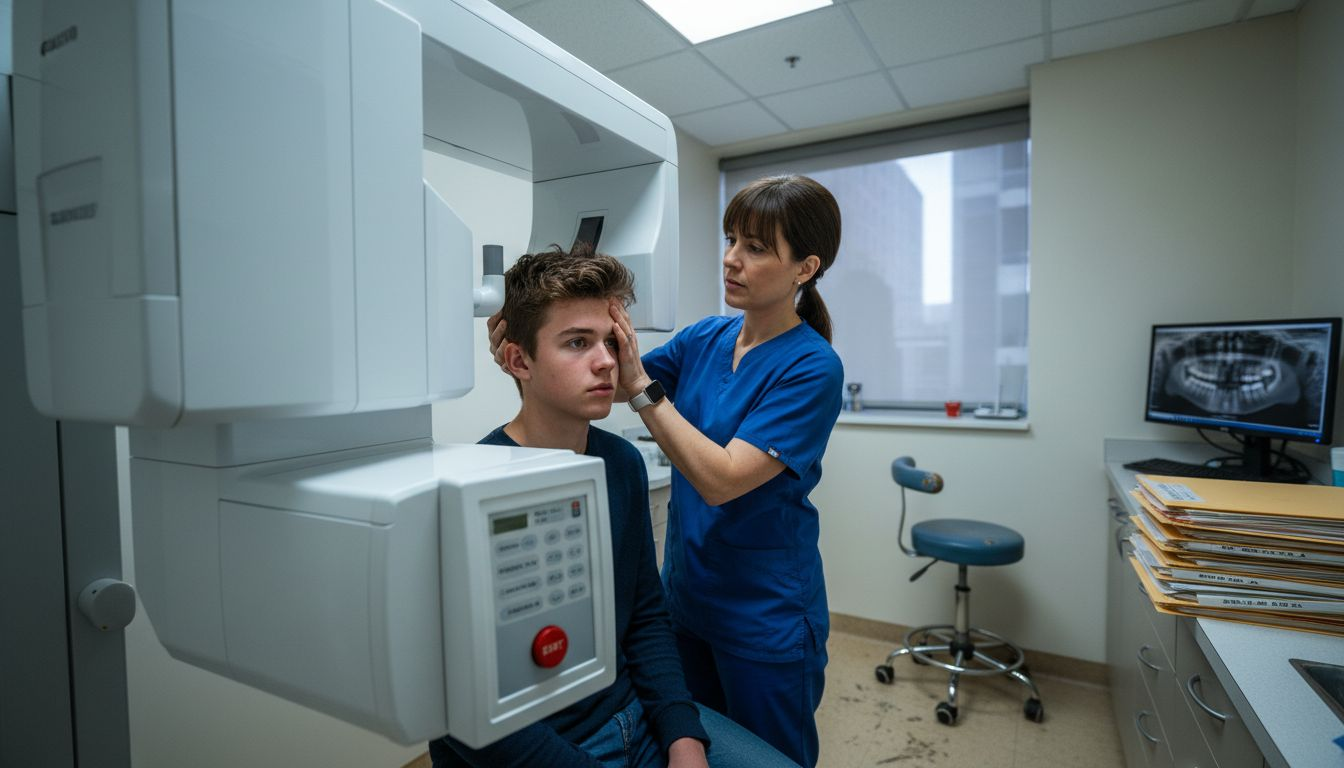
Dental diagnostic tools represent sophisticated technologies that transform how oral health is assessed and understood. Advanced imaging techniques and systematic diagnostic procedures now allow dentists to detect potential issues with unprecedented precision, providing insights far beyond traditional visual examinations.
Key Diagnostic Tools include:
- Digital Radiography
- Provides detailed internal tooth and bone structure images
- Detects hidden decay and structural abnormalities
- Enables early identification of potential dental issues
- Uses significantly less radiation than traditional x-rays
- Periodontal Charting
- Measures pocket depths around teeth
- Tracks gum recession and inflammation
- Identifies early signs of periodontal disease
- Creates a comprehensive map of oral health status
- Intraoral Cameras
- Captures high-resolution images of teeth and gum surfaces
- Allows patient visualization of dental conditions
- Helps document progressive changes over time
- Enables detailed treatment planning
- Artificial Intelligence Screening
- Utilizes advanced object detection and semantic segmentation techniques for diagnostic analysis
- Enhances accuracy of dental condition identification
- Provides supplemental insights to traditional diagnostic methods
- Supports dentists in making more precise treatment recommendations
These advanced diagnostic tools work synergistically to create a comprehensive understanding of a patient’s oral health. By combining multiple assessment techniques, dentists can develop more targeted, personalized treatment strategies that address both immediate concerns and potential future complications.
Here’s how different dental diagnostic tools complement each other during a comprehensive exam:
| Diagnostic Tool | Unique Insight Provided | Adds Value By |
|---|---|---|
| Digital Radiography | Visualizes hidden decay and bone issues | Enables early problem detection |
| Periodontal Charting | Maps gum health and disease progression | Tracks treatment effectiveness |
| Intraoral Cameras | Shows detailed tooth and gum surfaces | Enhances patient understanding |
| Artificial Intelligence | Identifies subtle diagnostic patterns | Improves diagnostic accuracy |
Pro Tip for Dental Health: Request copies of your diagnostic images during your comprehensive exam to maintain a personal health record and track your oral health progression over time.
What to Expect: Patient Comfort and Communication
For patients experiencing dental anxiety, understanding the communication process can significantly reduce stress during comprehensive exams, creating a more positive and collaborative healthcare experience.
Communication Strategies that enhance patient comfort include:
-
Open Dialogue
- Sharing personal medical history details
- Expressing specific concerns or anxieties
- Asking questions about recommended procedures
- Requesting explanations of diagnostic findings
-
Active Listening
- Paying attention to dentist recommendations
- Understanding treatment options
- Clarifying any confusing medical terminology
- Confirming next steps in treatment plan
Modern dental practices recognize that patient comfort extends beyond physical experience. Dentists aim to create a supportive environment that addresses both emotional and physical needs. This approach involves using clear, compassionate communication, explaining procedures thoroughly, and ensuring patients feel heard and respected throughout their examination.
For patients with heightened anxiety, many dental offices now offer additional comfort measures. Sedation options can help individuals who experience significant stress during dental procedures, allowing them to feel more relaxed and in control during comprehensive exams.
Pro Tip for Patient Comfort: Practice deep breathing techniques before your appointment and communicate openly with your dental team about any concerns or anxieties you may have.
Costs, Insurance, and Affordable Options at DentalAteliers
Navigating dental care expenses can be challenging, but understanding alternative insurance and payment options can dramatically reduce financial barriers to comprehensive dental care. At DentalAteliers, we prioritize making high-quality dental treatment accessible and affordable for all patients.
Affordable Care Options include:
-
Membership Plans
- Fixed annual fee covering routine examinations
- Discounted rates on additional treatments
- No complicated insurance paperwork
- Predictable healthcare budgeting
-
Payment Flexibility
- Installment payment programs
- Credit card acceptance
- Third-party financing options
- Sliding scale fees for qualifying patients
Insurance Alternatives for patients without traditional dental coverage can provide strategic approaches to managing healthcare expenses. Patients can explore health savings accounts, dental discount programs, and bundled service packages that make comprehensive care more financially manageable.
Our practice understands that cost should never prevent patients from receiving necessary dental care. We offer transparent pricing, multiple financial pathways, and personalized consultations to help patients find affordable solutions that meet their specific healthcare needs and budgetary constraints.
The following table summarizes key financial options for patients seeking comprehensive dental care:
| Option Type | Main Benefit | Ideal For |
|---|---|---|
| Membership Plans | Predictable yearly expenses | Frequent preventive care |
| Payment Flexibility | Spreads costs over time | Patients on a budget |
| Insurance Alternatives | Reduces out-of-pocket expense | Uninsured individuals |
Pro Tip for Budget-Conscious Patients: Schedule a financial consultation to explore all available payment options and develop a personalized dental care strategy that fits your budget.
Comparing Comprehensive Exams With Standard Checkups
Comprehensive dental exams represent a significantly more advanced diagnostic approach compared to standard routine checkups, offering patients a deeper and more holistic understanding of their oral health.
Key Differences Between Comprehensive Exams and Standard Checkups:
- Depth of Assessment
-
Standard Checkup:
- Quick visual tooth inspection
- Basic cleaning
- Minimal diagnostic procedures
- Surface-level evaluation
-
Comprehensive Exam:
- Detailed medical history review
- Full oral cancer screening
- Advanced radiographic imaging
- Thorough periodontal assessment
- Complete extraoral and intraoral tissue evaluation
- Diagnostic Complexity
-
Standard Checkup:
- Identifies immediate, visible issues
- Limited predictive capabilities
- Focuses on current dental state
-
Comprehensive Exam:
- Identifies potential future health risks
- Provides predictive and preventative insights
- Examines systemic health connections
- Creates personalized long-term treatment strategies
Diagnostic Scope extends far beyond traditional expectations. Comprehensive exams function as a complete health assessment, connecting oral conditions with broader medical contexts and potential underlying health challenges.
Pro Tip for Proactive Patients: Request a comprehensive exam at least once annually to gain a complete picture of your oral health and catch potential issues before they develop into more serious conditions.
Take Control of Your Oral Health with Annual Comprehensive Exams at DentalAteliers
Understanding the importance of comprehensive dental exams means recognizing how a detailed medical history review, advanced diagnostics, and thorough oral cancer screenings protect your smile and overall health. If you have ever felt uncertain about the difference between a quick checkup and a full comprehensive exam this is your chance to experience truly personalized dental care designed to catch issues early and prevent future complications. At DentalAteliers, we focus on making each exam comfortable with amenities like noise-canceling headphones and TVs to ease any anxiety.
Don’t wait for small concerns to become big problems Schedule your annual comprehensive dental exam today with DentalAteliers to benefit from expert care led by Dr. Kunal Narang in Lynnwood Washington. Explore our detailed services including implant dentistry, root canals, and same-day crowns all tailored to your unique needs. Visit our website now to request an appointment and take a confident step toward lasting oral health.
Frequently Asked Questions
What is included in a comprehensive dental exam?
A comprehensive dental exam includes a thorough evaluation of your oral health, reviewing medical and dental histories, conducting extraoral and intraoral assessments, performing oral cancer screenings, evaluating existing dental work, and completing advanced diagnostic procedures like radiographic imaging.
How often should I schedule a comprehensive dental exam?
It is recommended to schedule a comprehensive dental exam at least once a year. Regular visits help identify potential issues early and maintain long-term oral health.
What are the differences between a comprehensive dental exam and a standard checkup?
Comprehensive dental exams offer a more detailed assessment compared to standard checkups. They include a full medical history review, extensive diagnostic procedures, and a holistic view of oral and systemic health, whereas standard checkups typically involve a quick inspection and basic cleaning.
How do advanced diagnostic tools improve the effectiveness of a comprehensive dental exam?
Advanced diagnostic tools, such as digital radiography and intraoral cameras, provide detailed insights into your oral health by detecting hidden issues and tracking conditions over time. They enhance the accuracy of diagnoses and support personalized treatment plans.
Recommended
- Why Dental Checkups Matter for Lasting Oral Health | The Dental Atelier
- Maximize Your Dental Benefits Before Year-End | Dental Ateli | The Dental Atelier
- Why Dental Cleanings Matter for Lasting Oral Health | The Dental Atelier
- 7 Common Dental Procedures Everyone Should Know About | The Dental Atelier

.svg)