
Most American adults say they avoid visiting the dentist because of cost or anxiety, but you are not alone if you feel nervous about seeing a dental professional in Lynnwood, Washington. For many people in their twenties to forties, cosmetic dental consultations feel overwhelming without the right support. This guide helps you understand how consultations are designed for comfort, explains what actually happens at your first visit, and highlights affordable options available right here in your community.
Table of Contents
- Defining A Dental Consultation Experience
- Types Of Dental Consultations Explained
- What Happens During Your Appointment
- Addressing Dental Anxiety And Comfort Measures
- Cost, Insurance, And Affordable Options
Key Takeaways
| Point | Details |
|---|---|
| Importance of Dental Consultations | A dental consultation is vital as it establishes trust, sets expectations, and allows for a comprehensive evaluation of a patient’s oral health needs. |
| Types of Consultations | There are various dental consultation types, each tailored to specific needs including primary care, specialized treatment, preventive care, and diagnostics. |
| Managing Dental Anxiety | Incorporating comfort measures and open communication can significantly reduce dental anxiety, enhancing the overall patient experience. |
| Financial Strategies for Care | Understanding dental costs and exploring insurance and alternative payment options are crucial for managing dental healthcare expenses effectively. |
Defining A Dental Consultation Experience
A dental consultation represents the critical first interaction between a patient and dental professional, serving as a foundational communication moment that sets expectations and establishes trust. Unlike routine check-ups, this initial encounter provides a comprehensive opportunity to explore a patient’s unique dental health needs, concerns, and potential treatment strategies. Evolving dental practice models now integrate both traditional face-to-face and innovative virtual interactions, transforming how patients experience initial dental assessments.
During a typical dental consultation, patients can expect a structured yet personalized approach that typically involves several key components. The process begins with a detailed medical history review, where patients discuss previous dental experiences, current oral health status, and any specific concerns or symptoms. Dentists will conduct a thorough visual examination, potentially using advanced diagnostic technologies to assess tooth condition, gum health, potential alignment issues, and overall oral wellness. This comprehensive evaluation allows dental professionals to develop targeted treatment recommendations tailored to individual patient needs.
Modern dental consultations increasingly emphasize patient-centered communication, recognizing that each individual brings unique expectations and potential anxieties to their dental visit. Competency-based dental education approaches have significantly enhanced practitioners’ ability to create comfortable, informative interactions that address not just clinical requirements but also emotional and psychological aspects of dental care. Skilled dentists now focus on building rapport, explaining procedures transparently, and ensuring patients feel heard and supported throughout the consultation process.
Pro tip: Prepare a list of specific questions and concerns before your dental consultation to maximize the value of your appointment and ensure comprehensive communication with your dental professional.
Types Of Dental Consultations Explained
Dental consultations represent a diverse range of interactions designed to address various oral health needs, from routine preventive care to specialized treatment planning. Dental consultation models have evolved significantly, embracing technological innovations and patient-centered approaches that offer multiple engagement options. These consultations can be broadly categorized into primary care, specialized, preventive, and diagnostic types, each serving a unique purpose in maintaining comprehensive oral health.
Primary care dental consultations typically involve initial assessments where dentists perform comprehensive oral examinations, review medical histories, and develop baseline understanding of a patient’s dental health. Specialized consultations focus on specific dental concerns such as orthodontic evaluations, periodontal treatments, or complex restorative procedures. Health care coordination models increasingly emphasize referral systems that help patients transition seamlessly between different types of dental consultations, ensuring comprehensive and targeted care.

Technological advancements have introduced innovative consultation models, including teledentistry and hybrid approaches that combine virtual and in-person interactions. These modern consultation types allow patients greater flexibility, particularly for initial assessments, follow-up care, and routine monitoring. Virtual consultations can include digital smile assessments, preliminary screenings, and expert second opinions, expanding access to dental care for patients with time constraints or geographical limitations.
The following table compares common types of dental consultations and their main features:
| Consultation Type | Purpose | Typical Setting |
|---|---|---|
| Primary Care | General assessment & initial advice | In-person, sometimes virtual |
| Specialized | Address specific problems (e.g., braces) | Referred dental specialists |
| Preventive | Routine check-ups & oral hygiene | General dentist office |
| Diagnostic | Detection of issues & treatment planning | Dental clinic with diagnostic tools |
Pro tip: Always confirm the specific type of dental consultation you need and whether it will be conducted in-person or virtually to maximize the effectiveness of your dental care experience.
What Happens During Your Appointment
A dental consultation involves a structured and comprehensive process designed to provide a thorough assessment of your oral health. Dental appointment procedures begin with an in-depth medical and dental history review, where patients share previous health conditions, medications, and specific oral health concerns. This initial discussion helps dentists understand potential risk factors and develop a personalized approach to your dental care, ensuring that every aspect of your health is considered before any examination begins.
The core of the dental appointment involves a detailed oral examination using specialized diagnostic tools. Dentists carefully inspect teeth, gums, tongue, and surrounding oral tissues, looking for signs of decay, gum disease, or potential oral health issues. Comprehensive dental consultations often include digital X-rays that provide detailed images of tooth structures, bone density, and hidden dental conditions. These diagnostic tools allow dentists to create a comprehensive view of your oral health, identifying potential problems that might not be visible during a standard visual examination.
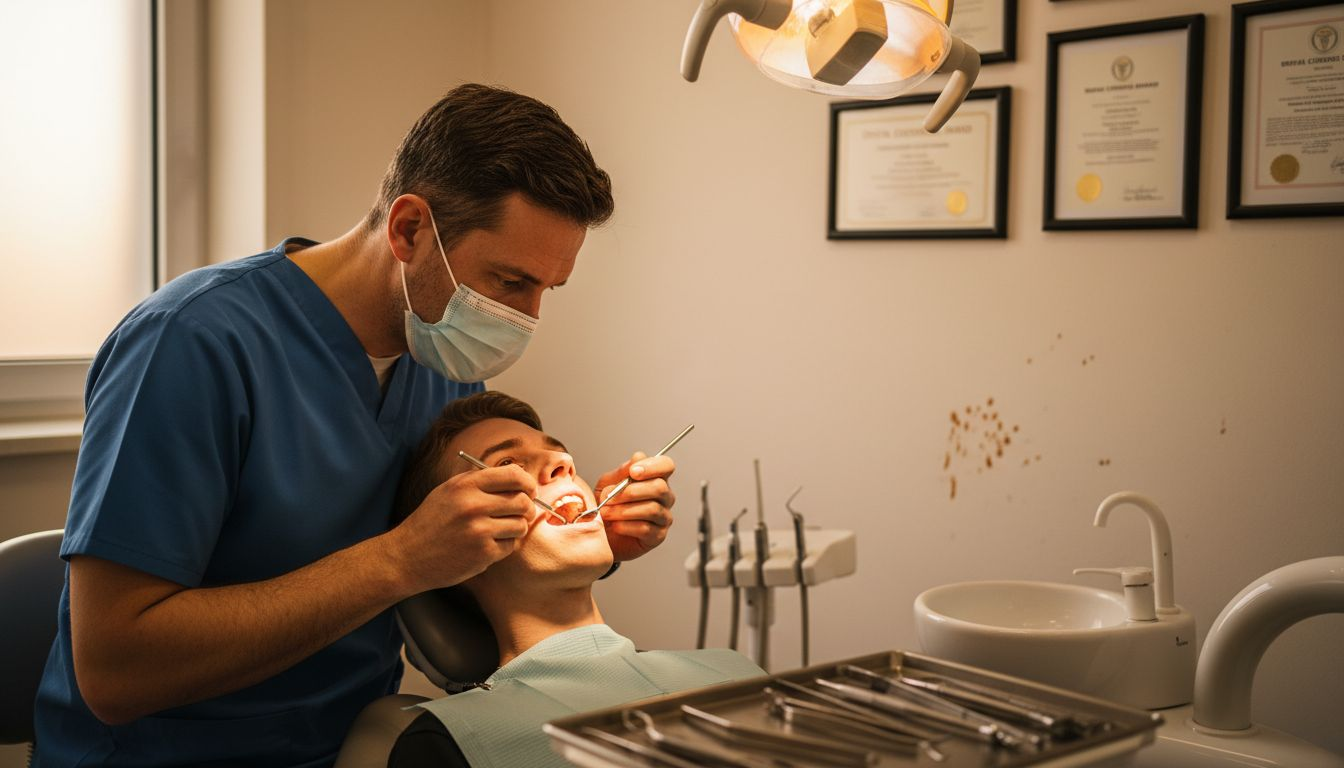
Following the examination, your dentist will discuss their findings, potential treatment options, and preventive care strategies. This consultation phase is crucial for understanding your current oral health status and developing a personalized care plan. Dentists typically explain any discovered issues, recommend potential treatments, and provide guidance on maintaining optimal oral hygiene. They may also discuss lifestyle factors that could impact your dental health, such as diet, smoking, or specific medical conditions that might affect your oral wellness.
Pro tip: Bring a list of current medications and recent medical history to your dental appointment to help your dentist provide the most comprehensive and personalized care possible.
Addressing Dental Anxiety And Comfort Measures
Dental anxiety is a common experience that affects millions of patients, creating significant barriers to receiving necessary oral healthcare. Dental anxiety interventions demonstrate that understanding the root causes of patient fear is crucial for developing effective comfort strategies. These anxieties often stem from past traumatic experiences, fear of pain, or a sense of loss of control during dental procedures, making it essential for dental practices to implement compassionate, patient-centered approaches.
Modern dental offices have developed multiple strategies to help patients manage anxiety and feel more comfortable during their visits. These comfort measures include creating a calming environment with soothing music, providing noise-canceling headphones, offering blankets, and using gentle communication techniques. Sedation dentistry options can provide additional support for patients with severe anxiety, ranging from mild relaxation techniques to more comprehensive sedation methods that help patients feel completely at ease during their dental procedures.
Cognitive behavioral strategies play a significant role in helping patients overcome dental anxiety. Dentists trained in patient communication can help patients reframe their negative perceptions, practice relaxation techniques, and develop coping mechanisms. Open dialogue about fears, transparent explanations of procedures, and giving patients a sense of control can dramatically reduce anxiety. Some practices offer pre-consultation meetings, virtual consultations, or preliminary discussions designed specifically to help patients feel more comfortable and build trust before any actual dental work begins.
Pro tip: Practice deep breathing and discuss your specific anxiety triggers with your dentist beforehand to create a personalized comfort plan that helps you feel more relaxed during your dental appointment.
Cost, Insurance, And Affordable Options
Global dental care expenses reveal significant variations in treatment costs, with the United States experiencing some of the highest dental healthcare prices worldwide. Understanding these financial complexities is crucial for patients seeking affordable dental care. The cost of dental consultations and treatments can vary dramatically based on factors like insurance coverage, geographic location, procedure complexity, and individual practice pricing structures, making it essential for patients to explore multiple financial strategies.
Dental insurance and alternative payment options play a critical role in managing healthcare expenses. Dental insurance alternatives have emerged to help patients navigate the complex landscape of oral healthcare costs. These options might include dental membership plans, discount programs, flexible spending accounts, health savings accounts, and payment plans offered directly by dental practices. Patients can also explore sliding scale fees, community health centers, dental schools, and negotiated cash payment discounts as potential strategies for reducing out-of-pocket expenses.
Here’s a summary of affordable dental payment options with their main characteristics:
| Option | How It Works | Typical Benefit |
|---|---|---|
| Dental Insurance | Monthly premiums cover procedures | Reduces out-of-pocket cost |
| Membership Plans | Pay annual fee for discounts | Lower rates for basic services |
| Discount Programs | Use cards for lower fees | No claims or approvals needed |
| Dental Schools/Clinics | Treated by supervised students | Significantly reduced fees |
Transparency in pricing and proactive financial planning are key to managing dental care costs effectively. Patients should request detailed treatment estimates, understand their insurance coverage limitations, and discuss payment options directly with their dental provider. Some practices offer comprehensive consultations that include a thorough breakdown of potential costs, helping patients make informed decisions about their oral health investments. Additionally, preventive care and regular check-ups can ultimately reduce long-term dental expenses by identifying and addressing potential issues before they become more complex and costly treatments.
Pro tip: Request a complete treatment plan with itemized cost estimates and discuss available financing options during your initial dental consultation to develop a budget-friendly approach to your oral healthcare.
Experience Comfortable and Transparent Dental Consultations with DentalAteliers.com
Understanding the importance of a thorough dental consultation can ease your anxiety and empower you to make informed decisions about your oral health. If worries about what to expect, potential costs, or dental anxiety have held you back, know that DentalAteliers.com offers a patient-centered approach tailored to address these exact concerns. Our practice led by Dr. Kunal Narang in Lynnwood, WA, prioritizes clear communication, comfort amenities like noise-canceling headphones, and transparent pricing so you always know what to expect.
Take control of your dental care journey today by scheduling a personalized consultation with our experienced team. Visit DentalAteliers.com to learn about our comprehensive services including implant dentistry and cosmetic procedures, explore membership plans, and read patient success stories that show our commitment to comfort and quality. Don’t wait to get the answers and care you deserve—book your appointment now and experience the difference of a consultation designed with your needs in mind.
Frequently Asked Questions
What is a dental consultation?
A dental consultation is the initial appointment between a patient and a dental professional. It involves a detailed review of the patient’s medical history, a thorough oral examination, and discussions about potential treatment strategies tailored to individual needs.
What can I expect during my dental consultation?
During your dental consultation, you can expect a comprehensive assessment of your oral health, including a review of your medical history, visual examination of your teeth and gums, possible diagnostic imaging like X-rays, and a discussion about recommended treatments and preventive care strategies.
How can I manage dental anxiety before my consultation?
To manage dental anxiety, consider discussing your fears with your dentist prior to the consultation. Many dental practices offer comfort measures and sedation options. Practicing deep breathing techniques and bringing a list of your concerns can also help ease your anxiety during the visit.
What are the costs associated with a dental consultation?
The costs of dental consultations can vary widely based on factors such as insurance coverage and the complexity of the procedures discussed. It is advisable to request an itemized treatment plan during your initial consultation to understand the potential expenses and available financing options.

.svg)