
Facing a dental procedure can bring up a lot of questions and nerves, especially if you are unsure of what steps to take before your appointment. Without the right preparation, you might miss important details that impact your comfort and recovery. The good news is that you can take simple, actionable steps to set yourself up for a smoother experience and better results.
This guide will show you how to get informed, stay comfortable, communicate with your dental team, and make the most of your visit. You will uncover practical strategies from leading sources like Harvard Medical School and the University of Illinois Chicago, so you know exactly what to do before, during, and after your procedure. Get ready to discover smart ways to prepare that will put you in control of your dental health journey.
Table of Contents
- Understand Your Dental Procedure And Ask Questions
- Follow Pre-Procedure Instructions From Your Dentist
- Share Your Medical History And Medication List
- Plan For Comfort With Personal Amenities
- Manage Dental Anxiety With Relaxation Techniques
- Arrange Transportation If Sedation Is Involved
- Prepare Your Recovery Area At Home
Quick Summary
| Takeaway | Explanation |
|---|---|
| 1. Ask Detailed Questions | Prepare a list of specific questions about your procedure to enhance understanding and reduce anxiety before treatment. |
| 2. Follow Pre-Procedure Instructions | Adhering to pre-procedure guidelines is crucial for ensuring safety and the success of your dental treatment. |
| 3. Share Comprehensive Medical History | Providing a complete medical history helps your dentist tailor the best treatment plan and avoid potential complications. |
| 4. Pack Personal Comfort Items | Bringing comfort items to your appointment can significantly alleviate anxiety and enhance your overall experience. |
| 5. Arrange Transportation for Sedation | Always plan for a responsible adult to accompany you home if you will be receiving sedation during your dental procedure. |
1. Understand Your Dental Procedure and Ask Questions
Knowledge is power when it comes to dental procedures. Understanding exactly what will happen during your treatment helps reduce anxiety and ensures you are an active participant in your dental health journey.
Medical professionals recommend that patients thoroughly comprehend their upcoming dental procedure before moving forward. Dental consultations provide critical patient education where you can learn specific details about your treatment, potential outcomes, and recovery expectations.
Start by scheduling a comprehensive consultation with your dentist. During this appointment, prepare a list of specific questions about your procedure. Ask about the steps involved, potential risks, expected recovery time, and any alternative treatment options. Understanding these details will help you feel more confident and prepared.
Some key questions to consider asking include: What are the specific steps of this procedure? How long will recovery take? What kind of pain or discomfort can I expect? Are there any potential complications? What are my alternative treatment options?
Research from the University of Illinois Chicago suggests that patients who come prepared with a comprehensive list of questions and their medical history tend to have more successful and less stressful dental experiences.
Pro tip: Write down your questions before the consultation and bring a notebook to take detailed notes during your appointment.
2. Follow Pre-Procedure Instructions from Your Dentist
Your dentist provides specific pre-procedure instructions for critical medical and safety reasons. Following these guidelines precisely helps ensure a successful dental procedure and minimizes potential complications.
Pre-procedure instructions are meticulously designed to prepare your body and mind for treatment. Dental visit preparation involves strategic planning that addresses multiple health and logistical considerations.
Typical pre-procedure instructions might include guidance on medication management, fasting requirements, clothing recommendations, and transportation arrangements. For instance, if you are receiving sedation, you will likely need to arrange for an adult to accompany you home after the procedure.
Some common pre-procedure instructions could involve:
Medication Management: • Stop certain medications as advised by your dentist • Inform your dentist about all current medications • Adjust prescription medication schedules if recommended
Physical Preparation: • Follow specific fasting guidelines • Wear comfortable, loose clothing • Arrive at the specified appointment time
Virginia Commonwealth University emphasizes that strict adherence to these instructions is crucial for patient safety and procedure success. Ignoring even seemingly minor recommendations can potentially lead to procedure postponement or increased health risks.
Pro tip: Create a checklist of your dentist’s pre-procedure instructions and review it multiple times in the days leading up to your appointment to ensure full compliance.
3. Share Your Medical History and Medication List
Your medical history is a critical piece of information that can significantly impact your dental procedure safety and effectiveness. Being transparent and comprehensive about your health background helps your dental professional design the most appropriate treatment plan.
Medical history screening protects patient safety by identifying potential risks and necessary precautions before any dental intervention. Some health conditions require special considerations or even prophylactic treatments.
A thorough medical history includes several key components:
Personal Health Information: • Current and past medical conditions • Chronic illnesses • Recent surgeries or hospitalizations • Allergies and sensitivities
Medication Details: • Prescription medications • Over the counter drugs • Herbal supplements • Vitamins and dietary supplements • Dosages and frequency of each medication
Some medical conditions may require special attention. For instance, patients with heart conditions might need antibiotics before dental procedures to prevent potential infections. Certain medications can also interact with anesthesia or affect healing processes.
The College of Dental Hygienists recommends creating a comprehensive written record of your medical history that you can easily share with your dental provider. This documentation ensures nothing important is accidentally overlooked during your consultation.
Pro tip: Create a digital or physical medical history folder that you can update regularly and bring to every medical and dental appointment.
4. Plan for Comfort with Personal Amenities
Your dental procedure experience can be significantly improved by thoughtfully preparing personal comfort items. Bringing the right amenities can transform a potentially stressful medical appointment into a more relaxed and manageable experience.
Personal comfort strategies support dental care by addressing individual needs and reducing anxiety during procedures. Understanding which items can help you feel more at ease is key to a positive dental visit.
Consider packing the following personal comfort amenities:
Physical Comfort Items: • Soft, loose clothing • Neck pillow or small blanket • Noise canceling headphones • Lip balm • Prescription sunglasses
Personal Care Essentials: • Water bottle • Sugar free gum or mints • Hand sanitizer • Facial tissues • Small moisturizer
These personal items can help manage potential discomfort such as dry mouth, sensitivity, or post procedure recovery. For individuals with specific health concerns like sensitive teeth or anxiety, preparing these amenities becomes even more crucial.
Remember that dental offices appreciate patients who come prepared and demonstrate proactive health management. Your comfort matters and can significantly impact your overall treatment experience.
Pro tip: Pack a small personal care kit in a clear ziplock bag to easily transport and quickly access your comfort items during your dental appointment.
5. Manage Dental Anxiety with Relaxation Techniques
Dental anxiety affects millions of adults and can prevent them from receiving necessary dental care. Understanding and implementing effective relaxation techniques can transform your dental experience from stressful to manageable.
Dental anxiety management requires strategic approaches that address both psychological and physiological responses to stress. By learning specific relaxation methods, you can significantly reduce your anxiety and improve your overall dental procedure experience.
Effective relaxation techniques include:
Breathing Techniques: • Diaphragmatic breathing • Box breathing method • Slow inhale and exhale sequences • Rhythmic breathing patterns
Mental Relaxation Strategies: • Guided visualization • Meditation • Progressive muscle relaxation • Mindfulness techniques
The University of Michigan recommends practicing these techniques before your dental appointment to help your body and mind become more comfortable with the relaxation process. Diaphragmatic breathing specifically can lower heart rate and reduce physiological stress responses.
Communicating your anxiety with your dental professional is also crucial. Many offices offer additional support like noise canceling headphones, sedation options, or breaks during procedures to help manage stress.
Pro tip: Practice your chosen relaxation technique daily for a week before your dental appointment to build muscle memory and increase its effectiveness during the actual procedure.
6. Arrange Transportation if Sedation is Involved
Sedation during dental procedures requires careful transportation planning to ensure your safety and well being. Patients under sedation experience impaired judgment and reduced coordination that make independent travel dangerous.
Transportation requirements for sedation procedures are critically important for patient protection. Medical professionals universally recommend having a responsible adult accompany you before and after the procedure.
Key transportation considerations include:
Pre Procedure Planning: • Identify a trusted adult to drive you • Confirm their availability for entire recovery period • Arrange transportation both to and from the dental office • Select someone who can monitor your recovery
Transportation Requirements: • Must be a licensed driver • Should remain with you for several hours post procedure • Capable of providing immediate assistance if needed • Understands your specific sedation details
The British Dental Association strongly emphasizes that patients cannot operate vehicles or make critical decisions immediately following sedation. Your designated driver plays a crucial role in ensuring your safety during the initial recovery phase.
Additional recommendations include providing your transportation companion with specific details about your procedure and expected recovery time. This helps them understand their responsibilities and support your healing process effectively.
Pro tip: Schedule your transportation companion to arrive 30 minutes before your procedure to discuss expectations and review any necessary medical information.
7. Prepare Your Recovery Area at Home
A well prepared recovery area can significantly impact your healing process after a dental procedure. Creating a comfortable and strategic recovery space helps ensure a smoother and more manageable healing experience.
Post procedure recovery strategies are essential for minimizing discomfort and promoting optimal healing. Your home recovery area should be designed to support your physical and emotional well being during the healing process.
Essential recovery area components include:
Comfort and Healing Supplies: • Soft pillows for head elevation • Clean blankets • Ice packs or cold compresses • Prescribed pain medications • Bottled water
Recovery Environment Considerations: • Quiet room away from household activity • Adjustable lighting • Easy access to communication devices • Comfortable seating or bed • Nearby bathroom facilities
The Centers for Disease Control recommends creating a recovery space that minimizes physical strain and supports your body’s natural healing processes. This means having everything you might need within easy reach to reduce unnecessary movement.
Consider placing a small table or tray near your recovery area with essential items such as pain medications, water, soft foods, lip balm, and a communication device. This preparation prevents you from needing to move around frequently during initial recovery.
Pro tip: Prepare your recovery area the night before your dental procedure to ensure everything is perfectly arranged and easily accessible.
Below is a comprehensive table summarizing the key steps and considerations for preparing for dental procedures as discussed in the article.
| Step / Strategy | Details and Actions | Benefits/Outcomes |
|---|---|---|
| Understanding Dental Procedures | Schedule a consultation with your dentist to learn about the treatment, recovery, and alternatives. Prepare and ask relevant questions. | Reduces anxiety, increases confidence, and enables active participation in dental care. |
| Following Pre-Procedure Instructions | Adhere to guidelines provided by your dentist, including medication adjustments, fasting, and transportation arrangements if sedation is involved. | Minimizes complications and ensures procedure success. |
| Sharing Medical History | Provide comprehensive medical information, including conditions and medications, to your dentist. Ensure its accuracy and completeness. | Helps tailor treatment, safeguards health, and prevents adverse reactions. |
| Preparing Comfort Amenities | Pack items like noise-canceling headphones and soft clothing to improve comfort during the procedure. Include essentials such as water and moisturizer. | Enhances relaxation, reduces stress, and improves the overall experience. |
| Managing Dental Anxiety | Practice relaxation techniques like guided visualization and diaphragmatic breathing before the appointment. Inform the dental team about any anxiety. | Promotes mental calmness, lowers stress, and helps ensure smooth procedures. |
| Arranging Transportation for Sedation | Organize a companion to drive you to and from the appointment, providing support during recovery. | Ensures safety, offers assistance, and complies with sedation protocols. |
| Preparing Recovery Area | Create a quiet, comfortable at-home recovery space with essential items accessible. Arrange for water, prescribed medicine, and comfy seating. | Supports efficient healing post-procedure and reduces discomfort. |
Prepare Confidently for Your Dental Procedure with Expert Care at DentalAteliers
The article highlights important challenges like understanding your procedure, managing anxiety, following pre-procedure instructions, and planning your recovery. These are common concerns that many adults face before dental treatment. At DentalAteliers, we specialize in making your entire experience smooth and comfortable by offering personalized consultations, sedation options, and amenities like noise-canceling headphones and TVs to help you relax during your visit.
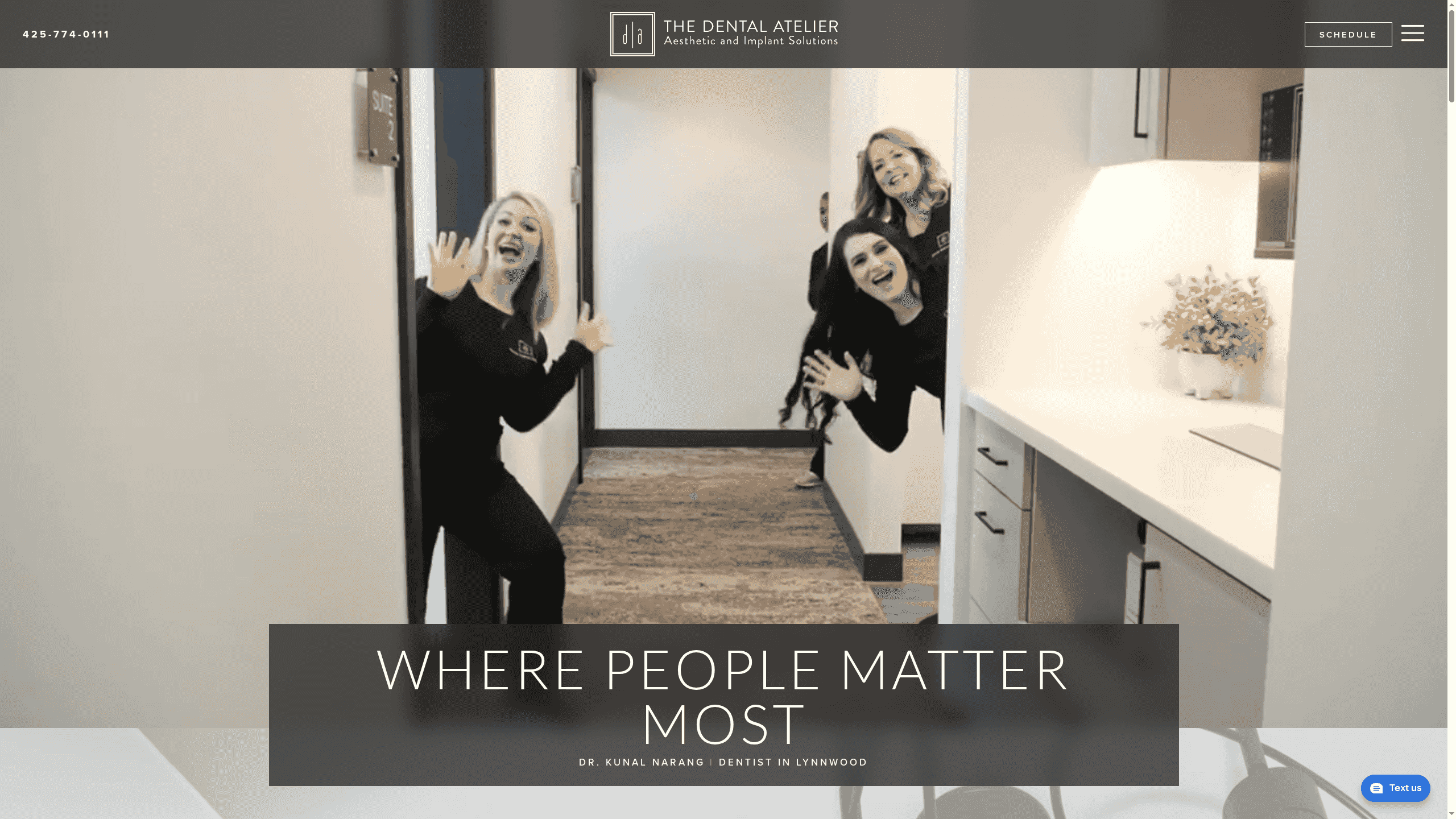
Take control of your dental health by partnering with a team that truly understands your needs. Visit DentalAteliers.com for detailed information on services like implant dentistry, Invisalign, and same-day crowns. Schedule your consultation today to get answers to your questions, discuss your medical history, and receive expert guidance tailored just for you. Don’t wait to feel confident and calm about your dental procedure—connect with us now to start your personalized care plan.
Frequently Asked Questions
What should I ask my dentist during my consultation for a dental procedure?
Ask your dentist about the specific steps involved in the procedure, expected recovery time, and potential risks. Prepare a list of these questions ahead of time so you can ensure all your concerns are addressed during the appointment.
How can I effectively follow my dentist’s pre-procedure instructions?
Carefully review and create a checklist of your dentist’s pre-procedure instructions, including medication management and fasting guidelines. Go over this checklist multiple times before your appointment to ensure full compliance and avoid any last-minute issues.
What items should I bring for comfort to my dental procedure?
Pack personal comfort items such as loose clothing, noise-canceling headphones, and lip balm. Consider including items like water and sugar-free gum to ease any discomfort during your visit.
How can I manage my dental anxiety before the appointment?
Practice effective relaxation techniques, such as diaphragmatic breathing or guided visualization. Use these methods daily leading up to your appointment to help reduce anxiety and make the dental experience more manageable.
What preparations should I make for recovery at home after a dental procedure?
Set up a recovery area equipped with essentials like soft pillows, pain medications, and easy access to water. Prepare this space the night before to ensure comfort and convenience during your healing process.
Recommended
- 7-Step Dental Visit Preparation Checklist for Anxiety Relief | The Dental Atelier
- Why Dental Cleanings Matter for Lasting Oral Health | The Dental Atelier
- 7 Essential Tips for a Comfortable First Dental Visit | The Dental Atelier
- 7 Essential Dental Care Tips 2025 for Healthy Smiles | The Dental Atelier

.svg)