
Approximately 50% of dental implant surgeries require bone grafting for successful outcomes, enhancing stability and longevity. At The Dental Atelier, we understand that the prospect of undergoing a bone graft for your dental implant can seem daunting. Whether you're preparing for your first visit to our Lynnwood dental practice or are gathering information about the bone graft dental implant process, knowledge is crucial. In this article, we'll demystify bone grafting by exploring why it’s sometimes necessary, the types of bone grafts available, and the recovery journey.
Bone grafting is an essential step for many patients who have inadequate jawbone structure, which might make supporting a dental implant challenging. It’s a delicate procedure that precedes implant placement and aims to ensure that a stable foundation is present for a lasting dental solution. By enhancing the strength and volume of your jawbone, bone grafting not only supports the immediate goal of successful implant placement but also contributes to the longevity of the dental implant itself.
Moreover, understanding the nuances of different bone graft options available is vital. From autografts using your own bone material to allografts derived from a donor source, each type offers distinct advantages depending on your specific needs. The Dental Atelier in Lynnwood is committed to walking you through each option to tailor a plan that’s right for you. Additionally, you’ll learn about the recovery process, which plays a significant role in the success of dental implants, and other related procedures like sinus lifts that might be necessary for upper jaw implants.
Cost is a common concern, too, as the expense of bone grafting can vary widely based on the complexity of your case and the materials used. Through this article, our intention at The Dental Atelier is to equip you with the comprehensive information necessary to make informed decisions about your dental health journey. Let's delve into the essential aspects of bone grafting for dental implants and ensure you're well-prepared for every step ahead.
Table of Contents
Key Takeaways
| Point | Details |
|---|---|
| Essential for Support | Bone grafts are crucial for individuals with insufficient jawbone for dental implant support. |
| Types of Bone Grafts | There are various types of bone grafts, each with unique applications and benefits. |
| Recovery Process | Understanding the bone graft recovery process is essential for optimal implant success. |
| Related Procedures | Additional procedures like sinus lifts may be necessary for upper jaw implants. |
| Cost Variability | The cost of dental bone grafting can vary widely depending on materials and complexity. |
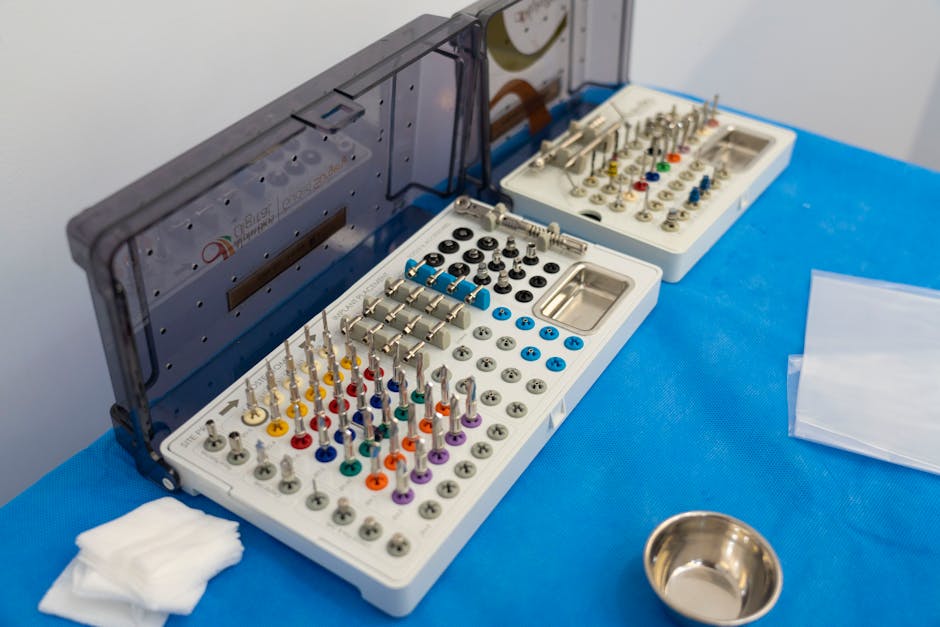
Understanding Bone Grafting in Dental Implants
Dental implants are a reliable solution for tooth replacement, but they require a solid foundation to ensure their long-term success. This is where a bone graft comes into play. A bone graft involves transplanting bone tissue to augment or regenerate bone in the jaw, making it strong enough to support an implant.
Why Bone Grafting is Necessary
Bone grafting is often necessary when a patient does not have sufficient natural bone to support a dental implant. This insufficiency can be due to:
- Bone loss from periodontal disease
- Developmental defects
- Trauma or injury
- Prolonged tooth absence
Without adequate bone, the implant may not stabilize properly, leading to potential failure. According to the American Academy of Implant Dentistry, over 3 million implants are placed annually, and this number is growing by 500,000 each year. The foundation of a successful implant is a healthy, robust jawbone, which a bone graft can provide (ADA).
The Role of Bone Grafting in Osseointegration
Osseointegration is the process by which the implant integrates with the bone, creating a stable anchor for the prosthetic tooth. Bone grafting is crucial in fostering this process by:
- Providing a scaffold for new bone growth
- Enhancing the volume and density of the jawbone
- Facilitating quicker recovery and integration of the implant
The biology of bone regeneration involves the recruitment of osteoblasts, or bone-forming cells, to the graft site, promoting new bone growth and eventual integration with the dental implant.
Types of Bone Grafts
There are several types of bone grafts, each with its specific benefits and applications:
| Type of Bone Graft | Description | Benefit to Patients |
|---|---|---|
| Autograft | Bone taken from the patient's body | High success rate due to compatibility |
| Allograft | Bone sourced from a donor | No additional surgery for bone collection |
| Xenograft | Bone derived from animals, usually cows | Abundant supply and avoids second surgery site |
The choice of graft depends on various factors, including the size of the bone defect and patient preference. At The Dental Atelier, we tailor the treatment plan to meet the specific needs of each patient.
Pro Tip for Patients: If you're considering a dental implant, it's essential to discuss the potential need for bone grafting with your dentist. Understanding the types of grafts and their benefits can help you make informed decisions about your dental health. Always consult with a qualified professional, such as those at The Dental Atelier in Lynnwood, to determine the best approach for your situation.
Types of Bone Grafts and Materials Used
Bone grafts are a crucial component in dental implant surgery, providing the necessary support for successful implant placement. At The Dental Atelier in Lynnwood, we offer various bone graft options to suit individual patient needs and specific dental conditions. Here, we explore the different types of bone grafts and the materials used in these procedures.
Autografts and Allografts
Autografts involve using bone harvested from the patient's own body, usually from the chin, jaw, hip, or tibia. This type of graft is often considered the "gold standard" due to its high compatibility and lower risk of rejection. However, it requires an additional surgical site, which can increase recovery time and discomfort.
Allografts use bone sourced from a donor, typically obtained from a bone bank. These grafts are processed to ensure safety and are readily available, eliminating the need for a second surgical site. However, there is a slight risk of immune response or disease transmission, although this is significantly minimized through rigorous screening and processing protocols.
Xenografts and Synthetic Options
Xenografts are derived from animal sources, commonly bovine (cow) bone. These grafts are treated to remove all organic components, making them safe for human use. Xenografts are known for their structural support but may require longer integration periods compared to human-derived grafts.
Synthetic bone grafts are composed of materials such as calcium phosphate, bioactive glass, or hydroxyapatite. These grafts offer a limitless supply and are free from the risk of disease transmission. They also allow for tailored properties, such as enhanced resorption rates. However, synthetic options might not integrate as seamlessly as natural bone, potentially affecting the outcome.
| Type of Graft | Description | Benefits | Drawbacks |
|---|---|---|---|
| Autograft | Bone from patient's own body | High compatibility, no risk of rejection | Requires additional surgery, longer recovery |
| Allograft | Donor bone from a human source | No second surgical site, readily available | Minor risk of immune response |
| Xenograft | Bone from animal sources | Good structural support | Longer integration time |
| Synthetic | Man-made materials | Unlimited supply, no disease risk | Potential for less seamless integration |
Each type of bone graft has its specific applications depending on the patient's needs and the complexity of the dental condition. For instance, a sinus lift procedure may require a different approach compared to a straightforward implant case. The choice of graft material also influences the bone graft recovery time and overall dental bone graft cost.
Pro Tip for Patients: Discuss your specific dental needs and concerns with your dental specialist to determine the most suitable bone graft option. Understanding the types of grafts available can help you make an informed decision about your dental treatment.
The Bone Grafting Procedure and Recovery
Dental implant surgery is a multi-step process that often involves bone grafting to ensure a stable foundation for the implant. This section will explore how bone grafting fits into the journey of receiving dental implants, the procedural steps involved, and key considerations for recovery.
The Role of Bone Grafting in Dental Implants
Bone grafting is a crucial step when the jawbone lacks sufficient volume or density to support a dental implant. The procedure involves adding bone material to the jaw to create a solid base for the implant. There are various types of bone grafts used, including autografts (from the patient's own body), allografts (from a donor), and xenografts (from an animal source).
In some cases, additional procedures such as a sinus lift may be necessary, particularly when implants are placed in the upper jaw near the sinus cavity. A sinus lift involves elevating the sinus membrane and adding bone below it to allow for implant placement.
Steps in the Bone Grafting Procedure
The bone grafting process typically involves the following steps:
- Consultation: Initial evaluation by your dentist or oral surgeon to determine the need for bone grafting.
- Preparation: Local anesthesia is administered to ensure comfort during the procedure. Sedation options may be discussed.
- Graft Placement: The chosen graft material is carefully placed at the site needing augmentation.
- Stabilization: The graft is secured in place, often using a membrane or mesh to promote healing and integration.
Recovery from bone grafting varies but generally involves a few weeks to several months, depending on the graft type and individual healing rates. According to the Cleveland Clinic, full integration of the graft can take three to nine months.
Managing Recovery and Pain
Effective pain management and proper care are crucial for a smooth recovery. Here are some tips:
- Follow all post-operative instructions provided by your dentist.
- Use prescribed pain medications or over-the-counter options like ibuprofen to manage discomfort.
- Apply ice packs to reduce swelling and adhere to a soft diet to avoid disturbing the graft site.
Patients are encouraged to maintain good oral hygiene while avoiding direct contact with the graft area to prevent infection.
Pro Tip for Patients: Schedule regular follow-up appointments with your dentist at The Dental Atelier to monitor the healing process and ensure everything is progressing as expected. This attention to detail helps achieve the best possible outcome for your dental implants.
Cost Considerations and Patient Preparation
Undergoing dental implant surgery can be a significant financial commitment. Understanding the costs associated with different types of bone grafts and related procedures is crucial for effective planning and budgeting. At The Dental Atelier, we are committed to helping patients in Lynnwood, WA navigate these financial aspects with confidence.
Understanding Bone Graft Costs
The cost of a dental bone graft can vary significantly based on the type of material used and the complexity of the procedure. Here are some common types of bone graft materials and their general cost range:
| Type of Bone Graft | Average Cost | Benefits |
|---|---|---|
| Autograft | $300 - $1,200 | Uses patient's own bone, reducing risk of rejection |
| Allograft | $200 - $1,100 | Donor bone, readily available, and no need for secondary surgery |
| Xenograft | $300 - $1,200 | Derived from animal bone, effective for volume preservation |
| Alloplastic | $500 - $1,500 | Synthetic materials, customizable to patient needs |
According to the American Dental Association, the cost of dental implant surgery, including necessary grafts, can range from $3,000 to $4,500 per implant, depending on complexity and location (ADA, 2023).
Insurance and Financing Options
Insurance plays a crucial role in managing the cost of dental procedures. While some insurance plans may cover part of the cost for dental implant surgery, many categorize it as a cosmetic procedure, offering limited coverage. Here's how you can prepare financially:
- Check with your insurance provider to understand your coverage for dental implants and related procedures.
- Consider supplemental dental insurance plans that might offer better coverage for implants.
- Explore financing options available at The Dental Atelier, such as payment plans or third-party financing through companies like CareCredit.
Discussing all available options with the financial coordinator at our Lynnwood dental practice can provide clarity and peace of mind.
Pro Tip for Patients: Before committing to a dental implant procedure, request a detailed quote and breakdown of costs from your dentist. This will help you budget effectively and explore all available insurance and financing options to reduce your out-of-pocket expenses.
Frequently Asked Questions
What is a bone graft and why might I need one for a dental implant?
A bone graft is a procedure that involves adding bone material to your jaw to create a stable foundation for dental implants. When you lose a tooth, the surrounding bone can deteriorate over time. If there's insufficient bone in your jaw, it may not be able to support an implant. At The Dental Atelier in Lynnwood, our team assesses your individual needs and determines if bone grafting is necessary to ensure the successful placement of your dental implant. By undergoing this procedure, you can increase the chances of a long-lasting and secure implant.
Is bone grafting a painful procedure?
Many patients understandably have concerns about pain, but rest assured, the bone grafting procedure is typically performed under local anesthesia, ensuring you feel comfortable during the process. Post-procedure, you might experience some discomfort, similar to having a tooth extraction. At The Dental Atelier, your Lynnwood dentist, we provide detailed aftercare instructions and recommend over-the-counter pain medications to minimize any discomfort as you heal. Always feel free to reach out to us if you have concerns during your recovery.
How long does it take to recover from a bone graft?
Recovery time can vary based on the extent of the graft and individual healing rates, but most patients can resume normal activities within a day or two. The bone itself may take several months to fully integrate with your existing jawbone. At The Dental Atelier in Lynnwood, we monitor your recovery closely through follow-up appointments to ensure everything is progressing as expected. Patience is key, as adequate healing is crucial for the subsequent dental implant to be successful.
What materials are used in bone grafting?
Bone grafting materials can come from your own body (autograft), a donor (allograft), an animal source (xenograft), or be synthetically produced (alloplast). Each material has its advantages, and our team at The Dental Atelier will discuss the most suitable option for your specific condition. Rest assured, all materials used are safe and have undergone rigorous testing to ensure compatibility and effectiveness.
Are there any risks involved with bone grafting?
As with any medical procedure, bone grafting has some potential risks, such as infection, bleeding, or graft rejection. However, these are rare and can usually be managed effectively. At The Dental Atelier in Lynnwood, WA, our experienced professionals take all necessary precautions to minimize risks, provide sterile conditions, and offer you the best possible outcome. We'll also discuss any concerns you might have before the procedure to ensure you're comfortable and informed.
How do I know if I'm a candidate for bone grafting?
To determine if bone grafting is the right option for you, our team at The Dental Atelier in Lynnwood will conduct a thorough examination, often involving X-rays or CT scans of your jawbone. This allows us to assess the current state of your bone density and make informed decisions. If you're considering dental implants but are worried about bone loss, visiting us for a consultation is the best first step to explore your options.
Conclusion
Bone grafting plays a critical role in the success of dental implants, providing a solid foundation when natural bone has diminished. It ensures the stability and longevity of dental implants, ultimately leading to a healthier, more functional smile. Understanding the process can alleviate concerns and prepare you for a successful treatment outcome.
If you're considering dental implants and have been told you need a bone graft, know that this procedure is a highly effective and routine part of modern implant dentistry. Whether due to bone atrophy or gum disease, bone grafting can rebuild your oral infrastructure, supporting not just your implants, but your confidence and well-being.
At The Dental Atelier, we pride ourselves on using the latest techniques and materials to ensure your bone grafting procedure is as comfortable and efficient as possible. The team at our Lynnwood dental practice is dedicated to guiding you through each step, from initial consultation to post-operative care, ensuring you receive the personalized attention you deserve.
Don't let concerns about bone loss hold you back from achieving the smile you desire. Schedule a consultation with The Dental Atelier in Lynnwood today, and embark on your journey to a robust and radiant smile. Our experienced team is here to answer all your questions and develop a treatment plan tailored to your unique needs. Contact us now and take the first step towards transforming your dental health and confidence.

.svg)