
Did you know that approximately 40% of dental injuries in children are related to sports? This statistic highlights a crucial concern for parents: child teeth protection during sports. Whether your little athlete is swinging for a home run, defending a soccer goal, or perfecting a cartwheel, ensuring proper protection for their teeth is essential to reducing this risk. At The Dental Atelier in Lynnwood, we understand the balance between encouraging active lifestyles and safeguarding those precious smiles.
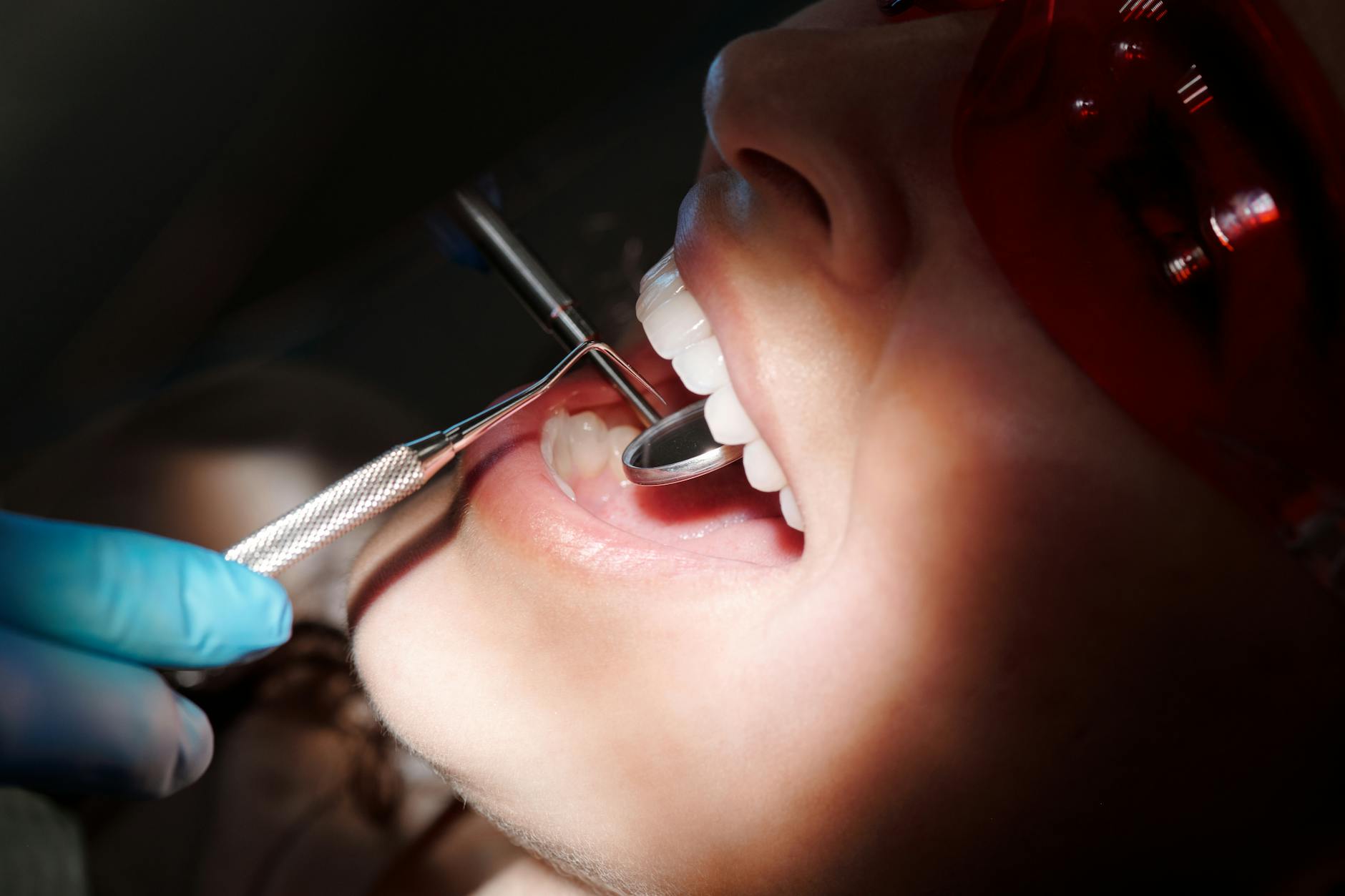
Sports and physical activities are vital for children's development, fostering teamwork, discipline, and physical fitness. However, these activities can also pose risks to oral health if proper precautions aren't taken. Fortunately, with the right knowledge and gear, such as mouthguards and helmets, parents can significantly lower the chance of dental injuries.
This article aims to provide a comprehensive guide on protecting your child's teeth during sports. We'll delve into the various risk factors that contribute to dental injuries in young athletes and discuss the importance of different protective gear. From selecting the ideal mouthguard to ensuring its maintenance, we’ve got you covered with expert-backed advice. Additionally, we'll share practical steps to promote overall dental safety in youth sports and guidelines for preventing injuries while preparing for a swift response should they occur.
Table of Contents
Key Takeaways
| Point | Details |
|---|---|
| Understanding Risk Factors | Identifying what contributes to dental injuries among youth in sports. |
| Importance of Protective Gear | Exploring necessary equipment for safeguarding children's teeth. |
| Choosing the Right Mouthguard | Guidelines on selecting and maintaining mouthguards effectively. |
| Promoting Dental Safety | Steps parents can take to ensure comprehensive safety in sports. |
| Injury Prevention and Response | Preventative measures and immediate actions to take when injuries occur. |
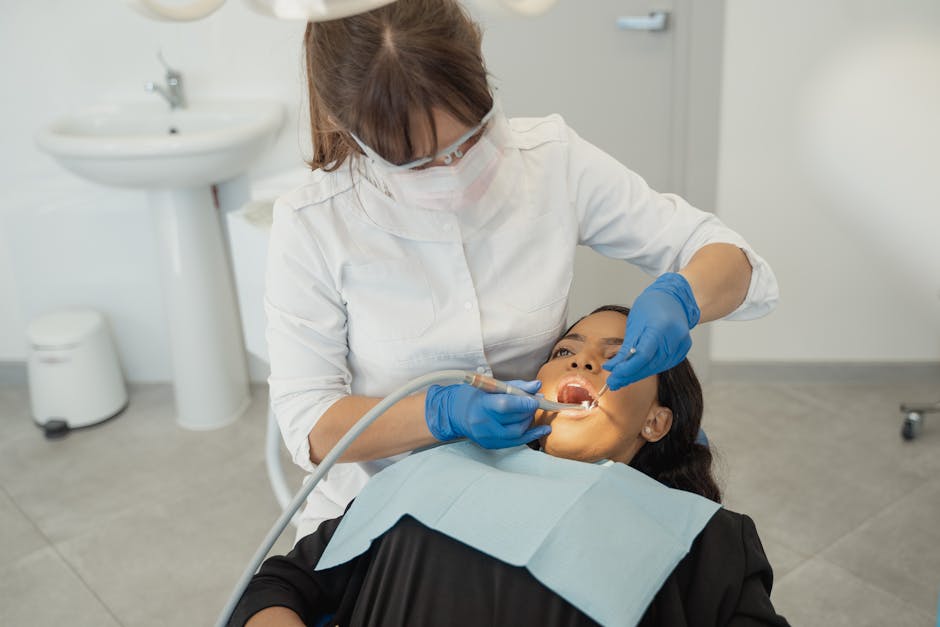
Understanding Dental Risks in Youth Sports
As participation in youth sports continues to rise, so does the incidence of dental injuries among young athletes. Dental trauma in sports can range from minor chips and fractures to more severe injuries such as avulsions or luxations. Understanding these risks is crucial for parents and coaches in Lynnwood, WA, to ensure comprehensive protection for children's teeth during sports activities.
Common Dental Injuries in Youth Sports
Children involved in sports are prone to a variety of dental injuries. Some of the most common include:
- Tooth Fractures: These occur when a tooth is chipped or broken due to impact. Fractures can affect the enamel, dentin, or even the pulp of the tooth.
- Avulsions: This serious injury involves the complete displacement of a tooth from its socket, often requiring immediate dental attention.
- Luxations: A luxation injury occurs when a tooth is dislodged but remains within the socket, potentially damaging the surrounding ligaments and tissues.
According to the American Dental Association, approximately 10-39% of all dental injuries in children are sports-related, emphasizing the need for effective preventive measures (ADA).
High-Risk Sports for Dental Injuries
Not all sports pose the same level of risk for dental injuries. The following sports are noted for having higher incidences of dental trauma:
- Contact Sports: Football, hockey, and rugby are notorious for high contact levels, which increase the risk of dental injuries.
- Basketball and Soccer: These sports, often played without mouthguards, also see a significant number of dental injuries due to accidental collisions.
- Skateboarding and Cycling: While not traditional team sports, these activities involve high speeds and falls that can lead to serious dental trauma.
Studies show that athletes not wearing mouthguards are 60 times more likely to suffer dental injuries than those who do (Cleveland Clinic, 2021).
The Importance of Dental Protection
Protective gear, particularly mouthguards, plays a vital role in preventing dental injuries in youth sports. Mouthguards act as a cushion, absorbing impacts and distributing forces across a wider area, thereby minimizing the risk of trauma.
| Type of Mouthguard | Description | Benefit to Patients |
|---|---|---|
| Stock Mouthguards | Pre-formed and ready to use, but often offer limited fit and protection. | Low cost, easily available. |
| Boil and Bite Mouthguards | Can be customized by boiling and then biting into the guard for a better fit. | Better fit than stock, moderately priced. |
| Custom-Fit Mouthguards | Made specifically for the individual's dental structure by a dentist. | Optimal fit and protection, though more expensive. |
Pro Tip for Patients: For optimal dental safety, consider investing in a custom-fit mouthguard for your child. Consult with The Dental Atelier to determine the best protective solution for their sporting activities.
Essential Protective Gear for Children's Teeth
For child athletes, safeguarding their teeth during sports activities is crucial. Dental injuries can lead to long-term damage and costly treatments. Therefore, utilizing appropriate protective gear such as mouthguards, face shields, and helmets is vital for youth sports dental safety.
Mouthguards: The Cornerstone of Dental Protection
Mouthguards are indispensable in preventing dental injuries. They cushion impacts, reducing the risk of broken teeth, jaw injuries, and soft tissue damage. There are three main types of mouthguards available for children:
- Stock Mouthguards: Pre-formed and ready to wear. They are the least expensive but often bulky and less comfortable.
- Boil-and-Bite Mouthguards: Made from thermoplastic material, they are softened in hot water and then molded to the teeth for a better fit than stock options.
- Custom Mouthguards: Created specifically for an individual’s dental structure by a dentist. They offer the best fit, comfort, and protection.
According to the American Dental Association, athletes are 60 times more likely to suffer from dental injuries if not wearing a mouthguard. This underscores the importance of choosing the best mouthguards for children to ensure maximum protection (ADA).
Additional Protective Gear: Face Shields and Helmets
While mouthguards are critical, combining them with other protective gear enhances safety:
- Face Shields: Often used in sports like hockey and football, they protect the entire face from impacts and are usually attached to helmets.
- Helmets: A must-have in contact sports, helmets protect the head and can prevent concussions, which indirectly safeguards dental health.
When selecting protective gear, consider the specific sport and the level of contact involved. Combining these tools ensures comprehensive protection for children's teeth during athletic activities.
| Type | Description | Benefit to Patients |
|---|---|---|
| Stock Mouthguards | Pre-made, inexpensive | Affordable but less comfortable |
| Boil-and-Bite Mouthguards | Moldable for a better fit | Good balance of cost and fit |
| Custom Mouthguards | Custom-made by a dentist | Best fit and protection |
Pro Tip for Patients: At The Dental Atelier, we recommend scheduling a consultation to determine the most suitable type of mouthguard for your child's needs. Investing in proper protective gear can prevent costly dental treatments in the future.
Choosing and Caring for the Right Mouthguard
When it comes to protecting your child's teeth during sports and physical activities, selecting the appropriate mouthguard is crucial. At The Dental Atelier, we understand the importance of comfort and safety in choosing the best mouthguards for children. This section will guide you through the selection process and provide tips on proper fitting and care.
Selecting the Best Mouthguard for Your Child
Choosing the right mouthguard depends on several factors, including your child's age, the sport they are involved in, and their comfort preferences. Here are some key considerations:
- Age and Fit: Younger children may require smaller, more flexible mouthguards that can accommodate growing teeth. Look for mouthguards specifically designed for children.
- Type of Sport: The level of contact in the sport can influence the type of mouthguard needed. For high-contact sports like football or hockey, thicker, more durable mouthguards are recommended.
- Comfort: Ensuring the mouthguard fits well and is comfortable increases the likelihood that your child will wear it consistently. Custom-fit mouthguards offer superior comfort and protection compared to over-the-counter options.
Custom mouthguards are tailored to fit your child's unique dental profile. According to the American Dental Association, custom mouthguards are more effective in preventing dental injuries and are often recommended by dentists for young athletes (ADA). In contrast, over-the-counter mouthguards are less expensive but may not provide the same level of protection and comfort.
| Type of Mouthguard | Description | Benefit to Patients |
|---|---|---|
| Custom-Fit | Individually molded to fit the child's teeth by a dentist | Superior comfort and protection, promotes consistent use |
| Boil-and-Bite | Softened in boiling water and then shaped in the mouth | More affordable, better fit than stock options |
| Stock | Ready-to-wear and pre-formed | Least expensive, minimal customization |
Proper Fitting and Care for Mouthguards
Once you have selected the appropriate mouthguard, ensuring it is properly fitted and cared for is essential for optimal performance. Here are some tips:
- Fitting: Follow the manufacturer's instructions for boil-and-bite mouthguards. If using a custom mouthguard, have it fitted by your dentist.
- Cleaning: Rinse the mouthguard with cool water before and after each use. Occasionally, clean it with a toothbrush and toothpaste.
- Storage: Store the mouthguard in a sturdy, ventilated container to prevent damage and bacterial growth.
According to a study published in the Journal of the American Dental Association, improper care and storage can lead to bacterial contamination, which underscores the importance of maintaining hygiene (JADA, 2022).
Pro Tip for Patients: Encourage your child to wear their mouthguard consistently during practice and games to maximize protection. Regularly check the fit and condition of the mouthguard, and replace it if it shows signs of wear or damage.
Comprehensive Dental Safety Strategies for Kids in Sports
Ensuring the dental safety of children during sports activities involves a multifaceted approach that combines the use of protective gear, education, and collaboration with coaches and sports organizations. At The Dental Atelier in Lynnwood, we emphasize the importance of implementing effective youth sports dental safety measures to prevent injuries and safeguard your child's smile.
Protective Gear: The Role of Mouthguards
Mouthguards are essential for preventing dental injuries in young athletes. According to the American Dental Association, athletes are 60 times more likely to suffer harm to the teeth when not wearing a mouthguard. These devices act as a cushion, absorbing the impact that could otherwise result in broken teeth or jaw injuries (ADA).
- Stock Mouthguards: Pre-formed and ready to wear, but often bulky and less comfortable.
- Boil-and-Bite Mouthguards: Made from thermoplastic material, these can be softened in hot water and molded to fit the teeth.
- Custom-Fit Mouthguards: Designed by a dentist to fit the unique contours of the child's mouth, offering superior comfort and protection.
| Type of Mouthguard | Description | Benefit to Patients |
|---|---|---|
| Stock | Pre-formed, ready to wear | Inexpensive, but may hinder breathing and speaking |
| Boil-and-Bite | Customizable fit by boiling and biting | Better fit and comfort than stock |
| Custom-Fit | Professionally molded by a dentist | Optimal comfort and protection |
Education and Coordination with Coaches
Education is a vital component of dental safety in sports. Both children and their guardians should understand the importance of wearing mouthguards and other protective gear. Coaches play a crucial role in reinforcing these practices during training sessions and games. Coordination with sports organizations is also key, as they can establish policies that mandate the use of mouthguards and other protective equipment.
Parents can advocate for the inclusion of dental safety in sports training programs by:
- Ensuring that their children wear mouthguards during all practices and games.
- Communicating with coaches about the importance of dental safety.
- Supporting sports organizations that prioritize dental health.
According to a study published in the National Institutes of Health, implementing educational programs significantly reduces the incidence of sports-related dental injuries. By working together, parents, coaches, and organizations can create a safer sports environment for children.
Pro Tip for Patients: Invest in a custom-fit mouthguard for your child and educate them on its importance. Regular discussions with coaches and sports organizations can ensure that dental safety is prioritized, helping to protect young athletes from preventable injuries.
Frequently Asked Questions
What type of mouthguard is best for my child?
Choosing the right mouthguard is essential for protecting your child's teeth during sports. At The Dental Atelier, we recommend a custom-fitted mouthguard. Unlike over-the-counter options, custom-fitted mouthguards offer superior comfort and protection because they are designed to fit your child's unique dental structure. These mouthguards help absorb and distribute impact, reducing the risk of dental injuries. We can create a personalized mouthguard for your child that not only protects but also allows for easier breathing and speaking during activities. Feel free to schedule a consultation with us at our Lynnwood dental practice to discuss your options.
How often should my child wear a mouthguard?
It’s important for your child to wear their mouthguard during any athletic activity that poses a risk of impact to the face or mouth. This includes contact sports like football and hockey, as well as non-contact sports such as gymnastics or skateboarding. At The Dental Atelier in Lynnwood, we emphasize consistent use of mouthguards to ensure your child’s teeth remain protected, no matter the sport. Remember, injuries can happen during practice sessions too, not just during games.
Are there any maintenance tips for my child's mouthguard?
Maintaining your child's mouthguard is crucial for its effectiveness and longevity. After each use, rinse it thoroughly with warm water and let it dry completely before storing it in a clean, ventilated case. Avoid exposing the mouthguard to high temperatures, such as leaving it in a hot car, as this can warp its shape. Periodically, you should also deep-clean it using mild soap and a toothbrush. Visit The Dental Atelier in Lynnwood for more advice on the care and maintenance of your child's mouthguard.
What signs indicate that my child needs a new mouthguard?
A mouthguard should be replaced if it becomes worn, fits poorly, or causes discomfort. As your child grows, a previously well-fitting mouthguard might become too tight or loose, signaling the need for a new one. Also, if you notice any cracks or tears, it’s time for a replacement to ensure full protection. If you're uncertain, bring the mouthguard to The Dental Atelier, your Lynnwood dentist, and we’ll help evaluate its condition.
How do sports impact my child’s orthodontic treatments?
If your child is undergoing orthodontic treatment, participating in sports can still be safe. A custom mouthguard can help protect braces or other appliances from damage during sports. The Dental Atelier in Lynnwood can provide specialized mouthguards for children undergoing orthodontic treatment, ensuring that their progress isn’t hindered by unexpected dental injuries.
What should I do if my child experiences a dental injury during sports?
If your child suffers a dental injury, staying calm is key. Rinse any blood and apply cold compresses to reduce swelling. For a knocked-out tooth, keep it moist at all times, either by placing it back in its socket, in milk, or using an ADA-approved tooth preservation product. Contact The Dental Atelier in Lynnwood as soon as possible for emergency dental care. Quick action can often save a tooth or minimize further damage.
Why choose The Dental Atelier in Lynnwood for my child’s dental care?
At The Dental Atelier, we prioritize the oral health and safety of your child during sports and activities. Our expert team provides personalized care, advising on the best protective measures, including custom-fitted mouthguards. Our Lynnwood practice is equipped with the latest technology to ensure high-quality dental care. We strive to create a friendly, welcoming environment to make every dental visit a positive experience for your child.
Conclusion
Ensuring your child's teeth are protected during sports and activities is not just about having peace of mind—it’s about preventing serious dental injuries that could impact their long-term oral health. By investing in a well-fitted mouthguard, encouraging good habits like consistent dental check-ups, and teaching the importance of oral hygiene, you’re setting up your child for a lifetime of healthy smiles.
At The Dental Atelier, we understand the unique needs of young athletes and the importance of preventive care. Our team in Lynnwood is dedicated to crafting customized dental solutions that keep your child's teeth safe while they pursue their passions, whether on the field or in the gym.
Don’t wait until an accident happens. Take proactive steps to safeguard your child’s dental health today. Schedule a consultation with our friendly team at The Dental Atelier in Lynnwood, and let us help you choose the best protective measures for your young athlete. Together, we can ensure their smile remains as bright and resilient as their spirit.

.svg)