
Dental implants boast a remarkable success rate of up to 98%, positioning them as one of the most reliable options in dental restoration today. At The Dental Atelier in Lynnwood, we take pride in helping patients reclaim the comfort and function of natural teeth through this highly effective procedure. In this article, we'll delve into what contributes to the dental implant success rate, exploring the factors that play a critical role in ensuring long-lasting results for our patients in Lynnwood, WA.
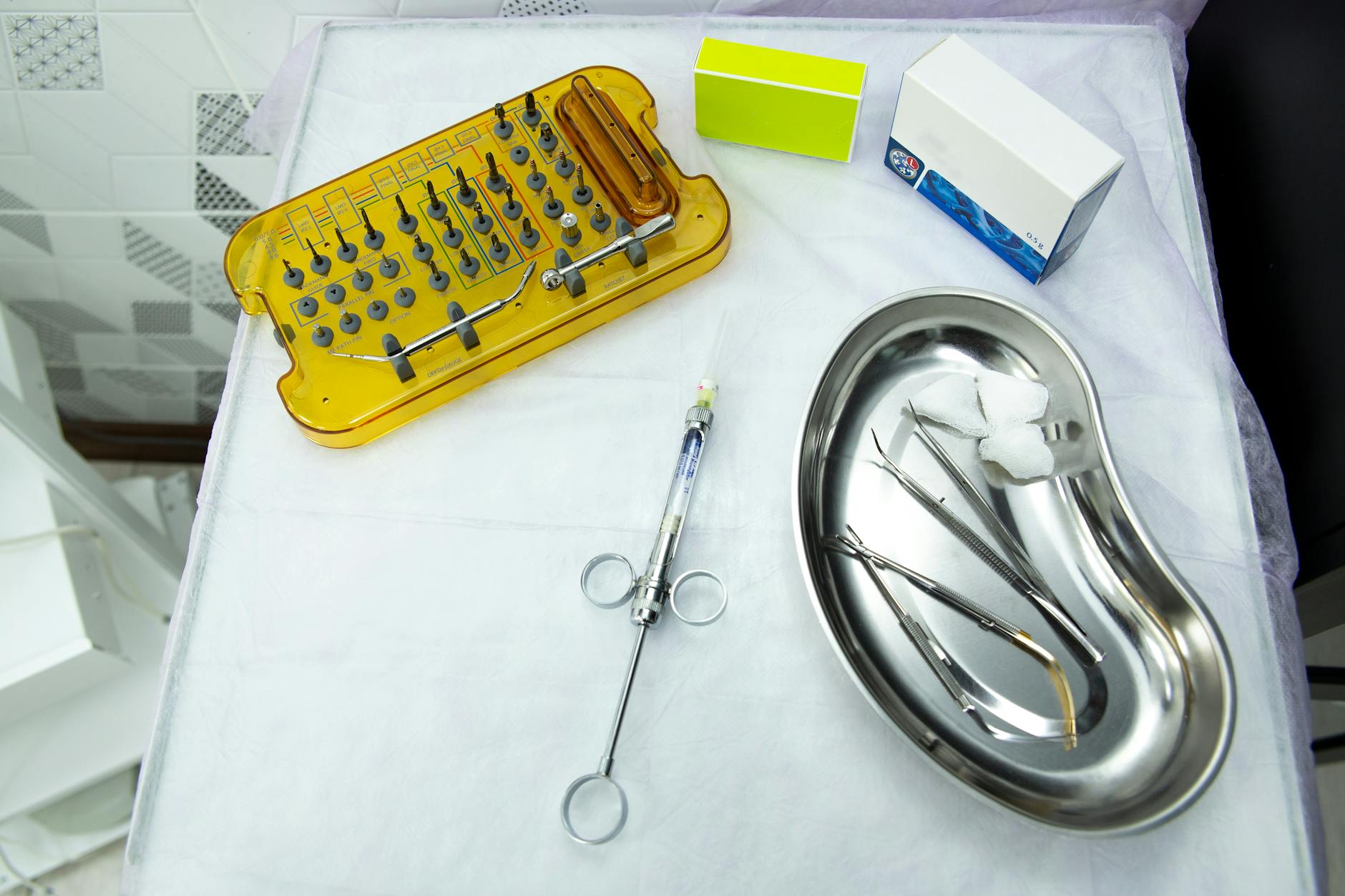
The exceptional success rate of dental implants isn't just a testament to their effectiveness; it's also a reflection of the meticulous care involved in the process. From the initial evaluation to the final placement, every stage is vital in securing a successful outcome. This piece will examine how individual health factors, advancements in technology, and proper dental practices contribute to the impressive success figures we see today. Whether you're considering implants or already have them, understanding the science behind their success can empower you with the knowledge needed for optimal long-term outcomes.
We will also look at the common pitfalls that may lead to implant failure, such as inadequate bone support or poor oral hygiene, and discuss how patients can mitigate these risks. Moreover, we'll highlight the recovery process and how contemporary treatments in dentistry continue to push boundaries, further increasing the reliability of dental implants. So, if you're curious about how dental implants might transform your smile and well-being, read on to discover what science says about their enduring success.
Table of Contents
Key Takeaways
| Point | Details |
|---|---|
| High Success Rate | Dental implants are highly successful when proper care and technique are applied. |
| Influential Factors | Several factors, such as oral health and surgical expertise, influence the success rate of dental implants. |
| Causes of Failure | Common causes of implant failure include poor oral hygiene and inadequate bone support. |
| Recovery Time | Recovery time varies, but most patients experience a swift recovery with proper follow-up care. |
| Technological Advancements | Advancements in dental technology continue to improve the success rates of implants. |
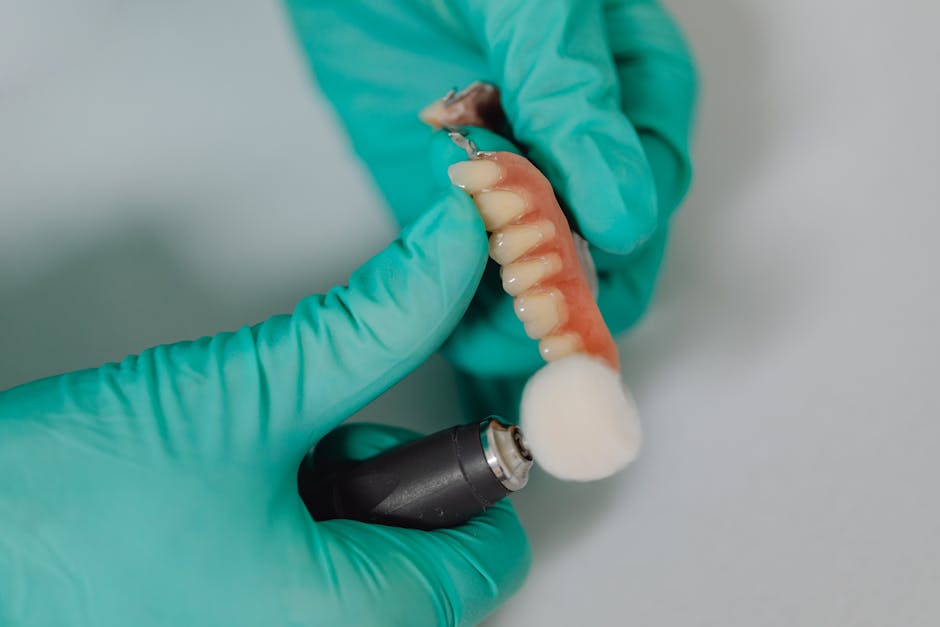
Understanding Dental Implant Success Rates
Dental implants have become a preferred solution for replacing missing teeth due to their durability and functionality. With a success rate often cited between 90% to 95%, dental implants are a reliable option for many patients. This section explores what these high success rates mean, historical data supporting these rates, and how dental implants compare with other dental restoration options.
What Contributes to the High Success Rate?
The high success rate of dental implants is attributed to several factors:
- Material Quality: Dental implants are typically made from titanium, a biocompatible material that integrates well with bone.
- Advanced Technology: Procedures often use cone beam computed tomography (CBCT) for precise placement.
- Expertise: Skilled professionals, like those at The Dental Atelier in Lynnwood, ensure the procedure is performed with precision.
- Patient Health: Good oral hygiene and healthy gums are crucial for success.
According to the American Academy of Implant Dentistry, the average success rate of dental implants is about 98% when performed by a qualified professional (AAID, 2021). This high success rate makes them an attractive option compared to other forms of dental restoration.
Dental Implants vs. Other Restorative Options
When considering dental restoration, it’s important to compare the success rates and longevity of each option.
| Restorative Option | Success Rate | Longevity |
|---|---|---|
| Dental Implants | 90-95% | 15-20 years or more |
| Dental Bridges | 80-90% | 10-15 years |
| Dentures | 70-90% | 5-10 years |
As shown in the table, dental implants have a higher success rate and longevity compared to dental bridges and dentures, making them a preferred choice for many patients.
At The Dental Atelier, we offer advanced solutions like Affordable All-On-4 Implants in Lynnwood, designed to provide a stable and long-lasting solution for missing teeth.
Pro Tip for Patients: Before deciding on a dental implant, consult with a qualified dental professional to ensure you are a suitable candidate and to discuss the best restorative option for your specific needs.
Factors Influencing Dental Implant Success
Dental implants have become a preferred solution for missing teeth, offering a stable and long-lasting option. However, the success of dental implants is influenced by several critical factors. Understanding these can help in achieving the best outcomes for patients considering implants at The Dental Atelier in Lynnwood.
Patient Health Conditions
The overall health of a patient plays a significant role in the success rate of dental implants. Certain health conditions like uncontrolled diabetes, osteoporosis, and smoking can adversely affect healing and integration of the implant with the bone. A study published in the Journal of Clinical Medicine in 2020 indicated that patients with controlled diabetes had a dental implant success rate of approximately 90%, comparable to healthy individuals, while uncontrolled diabetes significantly reduced success rates (J Clin Med, 2020).
Quality of the Dental Surgical Procedure
The skill and experience of the dentist performing the implant procedure are crucial. The precision in placing the implant and using advanced technologies like cone beam computed tomography (CBCT) can enhance outcomes. At The Dental Atelier, our meticulous approach ensures that the implants are positioned optimally, reducing the risk of complications.
Proper Post-Operative Care
Following the dental implant procedure, adhering to recommended post-operative care is vital for recovery and implant success. This includes maintaining oral hygiene, following dietary restrictions, and attending follow-up appointments. The average dental implant recovery time ranges from 3 to 6 months, depending on individual healing responses and the complexity of the procedure.
The Role of Bone Grafting
For patients with insufficient bone density, a bone graft may be necessary to provide a stable foundation for the implant. Bone grafting can significantly improve the success rates of dental implants by ensuring that the implant has adequate support. According to the American Association of Oral and Maxillofacial Surgeons, bone grafting can increase implant success rates in patients with compromised bone by up to 95% (AAOMS).
| Factor | Impact on Implant Success |
|---|---|
| Patient Health Conditions | Conditions like diabetes and smoking can lower success rates. |
| Surgical Procedure Quality | Advanced techniques and skilled practitioners improve outcomes. |
| Post-Operative Care | Proper care and hygiene are crucial for healing. |
| Bone Grafting | Improves success in patients with low bone density. |
Pro Tip for Patients: Discuss your medical history and lifestyle habits with your dentist at The Dental Atelier to determine the best approach for your dental implant procedure. Proper assessment and tailored care plans can significantly enhance the success and longevity of your implants.
Common Reasons for Dental Implant Failure
Dental implants have a high success rate, with studies indicating an average success rate of 95% over a five-year period. However, certain factors can lead to the failure of these implants. Understanding these reasons can help patients and practitioners in Lynnwood, WA, at The Dental Atelier prevent potential complications.
Peri-implantitis
Peri-implantitis is an inflammatory condition affecting the soft and hard tissues surrounding dental implants. This condition is often caused by bacterial infection and can lead to bone loss if not addressed promptly. Symptoms may include swelling, bleeding, and discomfort around the implant site. To mitigate the risk of peri-implantitis, maintaining excellent oral hygiene and attending regular dental check-ups are crucial.
Insufficient Bone Density
For dental implants to be successful, they require adequate bone support. Insufficient bone density can compromise the stability of the implant, leading to failure. This issue can often be predicted and addressed before the implant procedure. Options like bone grafting can be employed to build up the bone density in the affected area. Patients considering All-On-4 Implants in Lynnwood can benefit from a pre-treatment assessment to ensure sufficient bone support.
Improper Placement
The precise placement of dental implants is critical for their long-term success. Improper positioning can lead to excessive stress on the implant, affecting its integration with the jawbone. To prevent improper placement, many practices, including The Dental Atelier in Lynnwood, utilize advanced imaging techniques such as cone beam computed tomography (CBCT) to plan and execute the implant procedure accurately.
| Failure Reason | Description | Prevention Strategy |
|---|---|---|
| Peri-implantitis | Inflammation and infection around the implant | Maintain oral hygiene and regular dental visits |
| Insufficient Bone Density | Inadequate bone support for the implant | Bone grafting and pre-treatment assessments |
| Improper Placement | Incorrect positioning of the implant | Use of advanced imaging for accurate placement |
Pro Tip for Patients: To enhance the longevity of your dental implants, maintain good oral hygiene and schedule regular check-ups. If you're considering implants, consult with your dentist about pre-treatment evaluations to address any potential risk factors.
Enhancing Dental Implant Longevity and Success
Dental implants are a popular solution for replacing missing teeth, offering a natural look and feel. However, their success is closely tied to several factors, including oral hygiene practices, regular dental check-ups, and patient education on recognizing implant failure symptoms. This section explores how patients can enhance the lifespan and success of their dental implants, and compares implants with dental bridges in terms of longevity and success.
Oral Hygiene and Regular Dental Check-Ups
Maintaining excellent oral hygiene is crucial for the longevity of dental implants. Just like natural teeth, implants require regular care to prevent peri-implantitis, an inflammatory condition that can lead to implant failure. Here are key practices:
- Brushing: Use a soft-bristle toothbrush and non-abrasive toothpaste to clean around the implant.
- Flossing: Daily flossing is essential to remove plaque between teeth and around the implant.
- Mouthwash: Antibacterial mouthwash can help reduce bacteria and prevent infection.
Additionally, regular dental check-ups at The Dental Atelier are vital. During these visits, the dental team can monitor the implant's integration and address any issues early on. According to the Mayo Clinic, the average success rate of dental implants is about 98%, but this can vary based on individual circumstances.
Recognizing Symptoms of Implant Failure
Educating patients on the symptoms of implant failure is key to ensuring timely intervention. Common signs include:
- Persistent pain or discomfort around the implant site
- Swelling or inflammation of the gums
- Loose or shifting implant
- Difficulty chewing or biting
If any of these symptoms occur, contact The Dental Atelier promptly for an evaluation and appropriate management.
Dental Implants vs. Bridges: Longevity and Success
When choosing between dental implants and bridges, understanding their longevity and success can guide decision-making. Here's a comparison:
| Option | Longevity | Success Rate |
|---|---|---|
| Dental Implants | 15-25 years or more with proper care | Approximately 98% (Mayo Clinic) |
| Dental Bridges | 10-15 years with proper care | Varies; generally lower than implants |
Dental implants generally offer a longer lifespan and higher success rate compared to bridges, making them a superior choice for many patients seeking long-term solutions.
Pro Tip for Patients: To maximize the lifespan of your dental implants, maintain regular dental visits at The Dental Atelier in Lynnwood, practice diligent oral hygiene, and stay informed about the symptoms of implant failure. Your proactive approach will help ensure the lasting success of your dental investment.
Frequently Asked Questions
How successful are dental implants?
Dental implants boast impressive success rates, averaging between 95% to 98% according to extensive studies. Factors influencing success include overall health, bone quality, and proper oral hygiene. At The Dental Atelier, our Lynnwood dental team evaluates these factors to ensure the highest possible outcome for each patient. Employing advanced technology and techniques, we consistently strive for excellence in implant procedures, offering personalized care that boosts success rates.
What factors can affect the success of dental implants?
Several factors can impact dental implant success: bone density and volume, oral hygiene, smoking habits, and systemic health conditions like diabetes. At The Dental Atelier in Lynnwood, we perform thorough assessments to identify and address these factors before proceeding with treatment. By adopting a tailored approach, our goal is to minimize risks and enhance the longevity of your dental implants.
Is age a factor in the success of dental implants?
Age itself is not a significant barrier to dental implant success. What matters more is the patient’s overall health and bone condition. Many older patients successfully receive implants, enjoying improved quality of life. The Dental Atelier in Lynnwood customizes implant procedures to suit patients of all ages, ensuring that each individual receives the care required for optimal results.
What are the risks associated with dental implants?
While generally safe, dental implants do carry potential risks such as infection, nerve damage, or implant failure. These are rare but can occur. At The Dental Atelier, your Lynnwood dentist, we take every precaution to mitigate these risks by using high-quality materials and maintaining a sterile working environment. We discuss potential risks thoroughly with our patients pre-operatively, emphasizing transparent and informed decision-making.
How long does it take to recover from dental implant surgery?
Recovery time varies based on individual healing factors and the specifics of the procedure. Generally, initial healing takes a few days, but full osseointegration, where the implant bonds with the jawbone, can take several months. At The Dental Atelier in Lynnwood, we provide detailed post-operative care instructions and regular follow-up appointments to ensure a smooth recovery process.
How do I care for my dental implants after surgery?
Proper care post-surgery is crucial for implant success. This includes maintaining good oral hygiene, such as brushing and flossing, and attending regular dental check-ups. Your Lynnwood dental practice, The Dental Atelier, will provide you with tailored instructions and professional cleanings to help preserve your implants and overall oral health effectively.
Can dental implants fail, and if so, why?
Although rare, implants can fail due to factors like poor oral hygiene, pre-existing medical conditions, or mechanical issues. Early intervention is key in addressing any signs of failure. At The Dental Atelier in Lynnwood, we emphasize preventive care and regular follow-up appointments to monitor the health of your implants and prevent complications.
Conclusion
In the ever-evolving world of dental innovation, dental implants stand out as a remarkable solution for restoring both the functionality and aesthetics of natural teeth. With success rates soaring above 95% according to clinical studies, implants have become a trusted choice for millions seeking to reclaim their smiles. The science is clear: when performed by skilled dental professionals and maintained with optimal oral hygiene, dental implants not only last for decades but also enhance the quality of life.
At The Dental Atelier, we are committed to bringing this state-of-the-art solution to our Lynnwood community. Our dedicated team combines cutting-edge technology with a personalized approach to ensure each patient receives the best possible care. Whether you're considering dental implants for the first time or are seeking a reliable consultation, we invite you to take the next step towards a healthier, more confident smile.
Don't let uncertainty hold you back from achieving the smile you deserve. Schedule a consultation with our experts at The Dental Atelier in Lynnwood today, and let's explore the transformative potential of dental implants together. Your journey to a revitalized smile begins here.

.svg)