
Did you know that diabetics face a 50% higher risk of dental implant complications compared to non-diabetics? This statistic highlights the crucial connection between dental implants and diabetes—an important consideration for those living with diabetes who are seeking dental restoration. At The Dental Atelier, your Lynnwood dentist, we understand the unique challenges that diabetic patients face when considering dental implants.
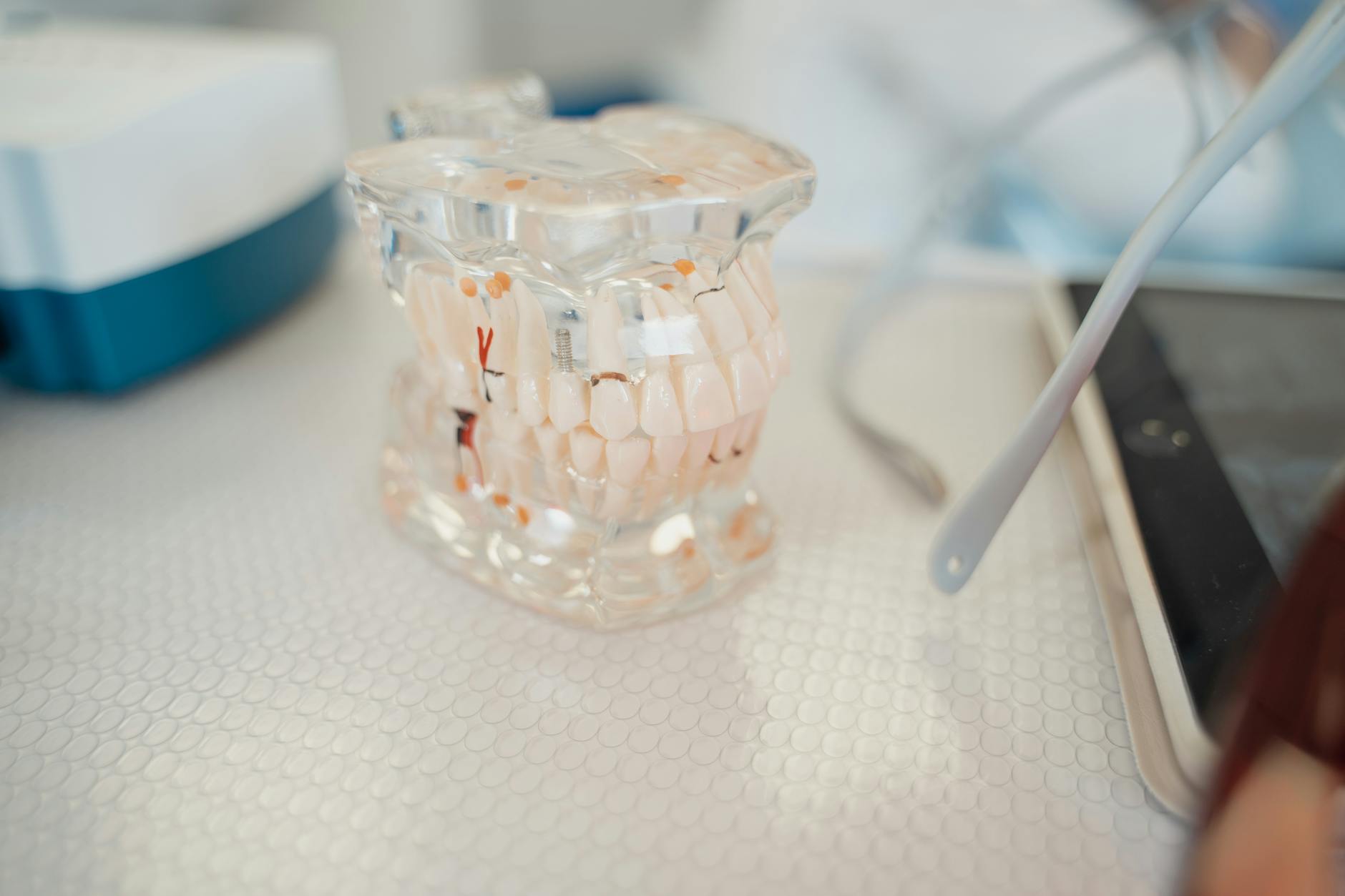
Living with diabetes can complicate various aspects of health, and oral health is no exception. For many patients, dental implants represent an essential step toward achieving a full set of functional teeth and a confident smile. However, if you have diabetes, the journey to a successful dental implant can be more intricate. This article will explore the interplay between diabetes and dental implants, discussing how diabetes can impact the success rate of these procedures and offering strategies to enhance dental health despite the disease.
We'll delve into the critical role of blood sugar management in dental treatments and provide guidelines specifically for diabetics considering dental implants. By understanding the risks and adopting precise health management techniques, diabetic patients can work towards achieving successful dental implant results. Join us as we navigate these important topics to help you make informed decisions for your oral health journey in Lynnwood, WA.
Table of Contents
Key Takeaways
| Point | Details |
|---|---|
| Unique Challenges | Understanding the unique challenges diabetics face with dental implants |
| Impact on Success Rate | How diabetes impacts the success rate of dental implants |
| Managing Dental Health | Effective strategies for managing dental health with diabetes |
| Blood Sugar Control | The importance of blood sugar control in dental procedures |
| Guidelines for Diabetics | Guidelines for diabetics considering dental implants |

Understanding Dental Implants and Diabetes
Dental implants can be a life-changing solution for many individuals seeking to replace missing teeth. However, for patients with diabetes, there are specific considerations that must be addressed to ensure successful outcomes. This section explores the intricate relationship between diabetes and dental health, highlighting the risks and challenges diabetics face when considering dental implants.
The Connection Between Diabetes and Oral Health
Diabetes can significantly impact oral health, often leading to complications such as gum disease, dry mouth, and delayed healing. According to the American Dental Association, individuals with diabetes are at a higher risk of developing periodontal disease, which can further complicate the process of receiving dental implants (ADA). This is due to the body's reduced ability to fight bacterial infections and impaired blood flow to the gums.
General Risks of Dental Implants for Diabetics
Diabetes, particularly when poorly controlled, can increase the risk of implant failure. A study published in the "Journal of Clinical Periodontology" found that the success rate of dental implants in patients with well-controlled diabetes is comparable to those without diabetes, hovering around 90-95%. However, in cases of poorly controlled diabetes, the success rate can drop significantly (Wiley Online Library, 2020).
| Condition | Implant Success Rate | Considerations |
|---|---|---|
| Well-controlled Diabetes | 90-95% | Comparable to non-diabetic patients |
| Poorly-controlled Diabetes | Significantly lower | Higher risk of complications and implant failure |
Safety Considerations for Diabetic Patients
Before proceeding with dental implants, diabetic patients should ensure their blood sugar levels are under control. Here are some key safety considerations:
- Regularly monitor blood glucose levels and maintain them within the target range.
- Follow a comprehensive oral hygiene regimen to prevent infections.
- Schedule frequent dental check-ups to monitor gum health.
- Discuss any medications with your dentist to prevent adverse interactions.
At The Dental Atelier in Lynnwood, we take extra care to tailor dental implant procedures to accommodate the unique needs of diabetic patients. Our team works closely with each patient to ensure a safe and successful implant experience.
Pro Tip for Patients: If you have diabetes and are considering dental implants, work closely with your healthcare provider to manage your diabetes effectively. This will not only improve your overall health but also increase the likelihood of a successful dental implant procedure.
The Impact of Diabetes on Dental Implant Success
Diabetes has a profound impact on the healing process and overall success rate of dental implants. This section explores how diabetes affects oral tissues, leading to potential complications such as delayed healing and increased risk of infection. It's vital for diabetic patients considering dental implants to understand these risks and consult with a dentist at The Dental Atelier in Lynnwood for personalized advice.
How Diabetes Affects Implant Healing
Diabetes can alter the normal healing process due to its effects on blood circulation and immune function. High blood sugar levels can lead to the formation of advanced glycation end-products (AGEs), which weaken the collagen structure in tissues, including those in the mouth. This can result in:
- Delayed Healing: The presence of AGEs can slow down tissue repair, making the recovery period after implant surgery longer.
- Increased Risk of Infection: Diabetic patients often have a compromised immune system, which can lead to a higher probability of infections post-surgery.
According to a study published in the Journal of Dental Research (2015), diabetic patients have a 14% higher risk of implant failure compared to non-diabetic individuals.
The Role of Blood Sugar Control in Healing
Managing blood sugar levels is crucial for improving the success rate of dental implants in diabetic patients. Controlled diabetes can lead to significantly better outcomes by reducing the likelihood of complications. The Mayo Clinic emphasizes the importance of maintaining an HbA1c level below 7% to minimize health risks, including those related to dental procedures.
To enhance the chances of successful healing, diabetic patients should:
- Regularly monitor and maintain blood glucose levels within the recommended range.
- Adopt a balanced diet and exercise regimen.
- Regularly visit their dentist in Lynnwood for check-ups and professional advice.
Case Studies Illustrating Varying Outcomes
Several case studies have demonstrated the varying outcomes of dental implants in diabetic patients. For instance, patients with well-controlled diabetes experienced a higher success rate compared to those with poorly managed blood sugar levels. In a study conducted by the International Journal of Implant Dentistry (2016), the success rate for controlled diabetics was over 90%, whereas it dropped to 70% for those with uncontrolled diabetes.
These findings underscore the importance of effective diabetes management for successful dental implant outcomes. Patients are encouraged to learn more about affordable implant options, such as All-On-4 Implants at The Dental Atelier.
Pro Tip for Patients: If you have diabetes and are considering dental implants, prioritize managing your blood sugar levels effectively. Consulting your healthcare provider and maintaining regular dental visits can significantly improve your implant success rate.
Managing Dental Health with Diabetes
Managing dental health is crucial for individuals with diabetes, as they are more susceptible to oral health issues such as gum disease and complications with dental procedures. At The Dental Atelier in Lynnwood, we understand the unique needs of diabetic patients and offer strategies to help maintain optimal oral health. This section covers blood sugar management during dental procedures, general oral health care strategies, and monitoring for gum disease and other complications.
Blood Sugar Management and Dental Surgery
For diabetics considering dental surgery, such as Affordable All-On-4 Implants in Lynnwood | Dental Atelier, managing blood sugar levels is critically important. High blood sugar levels can impede healing and increase the risk of infection post-surgery. Here are some strategies for managing blood sugar around the time of dental surgery:
- Consult with both your dentist and endocrinologist to coordinate care and get personalized advice.
- Maintain normal blood glucose levels as much as possible before and after the procedure.
- Avoid skipping meals prior to surgery; instead, opt for balanced meals that help stabilize blood sugar.
- Monitor blood glucose levels closely post-surgery to adjust insulin or medication if necessary.
According to a study published in the American Dental Association, maintaining a stable blood sugar level can significantly enhance the success rate of dental implants in diabetic patients.
Diabetes Oral Health Care Tips
Daily oral care is vital for diabetics to prevent complications such as periodontal disease. Consider these tips for maintaining oral health:
- Brush at least twice a day with fluoride toothpaste and floss daily to remove plaque.
- Use an antiseptic mouthwash to reduce bacteria in the mouth.
- Visit your dentist in Lynnwood regularly for check-ups and cleanings.
- Stay hydrated to combat dry mouth, a common issue for diabetics.
Monitoring for Gum Disease and Other Complications
Gum disease is more common and can progress more quickly in individuals with diabetes. Regular dental check-ups are crucial for early detection and management. Look out for symptoms like bleeding gums, persistent bad breath, and loose teeth. According to the Cleveland Clinic, individuals with diabetes are twice as likely to develop gum disease compared to non-diabetics.
| Complication | Symptoms | Management |
|---|---|---|
| Gum Disease | Bleeding, swelling, bad breath | Regular cleanings, improved hygiene |
| Dry Mouth | Constant thirst, cracked lips | Increase water intake, saliva substitutes |
Pro Tip for Patients: If you have diabetes, prioritize regular dental visits and collaborate closely with your healthcare providers to manage blood sugar levels. This proactive approach can significantly reduce dental risks and improve overall health outcomes.
Consultation and Decision-Making for Diabetics
For diabetic patients considering dental implants, navigating the consultation and decision-making process is crucial. With proper guidance and preparation, individuals can make informed choices that align with their health needs. This section aims to guide diabetics through the steps of preparing for a dental implant consultation, assessing candidacy, and personalizing decision-making strategies.
How to Prepare for a Dental Implant Consultation
Preparing for a dental implant consultation involves understanding the potential risks and benefits, especially for those with diabetes. Here are steps to help you get ready:
- Gather Medical Records: Bring a comprehensive list of your medications, recent lab results, and a summary of your diabetes management plan.
- Prepare Questions: Write down any questions about the risks of implants for diabetics, such as the impact of diabetes on healing and implant success rates.
- Be Ready to Discuss: Be open about your diabetes history and any other health concerns that might affect your implant procedure.
During the consultation at The Dental Atelier in Lynnwood, Dr. Kunal Narang will evaluate your oral health and discuss the specifics of your diabetes management to tailor the best treatment approach.
Assessing Your Candidacy for Implants
Diabetes affects the body's ability to heal, which can influence the success of dental implants. However, studies suggest that with well-controlled diabetes, the success rate of implants can be comparable to that of non-diabetics. A study published in the Journal of Clinical Medicine in 2020 showed a success rate of over 90% in well-managed diabetic patients.
| Factor | Non-Diabetics | Diabetics (Well-Controlled) |
|---|---|---|
| Healing Time | Standard | Possibly Extended |
| Success Rate | 95-98% | 90-95% |
At The Dental Atelier, a comprehensive assessment will include evaluating your blood glucose levels, general health, and specific dental conditions to determine the best candidacy for implants.
Personalized Decision-Making Strategies for Diabetic Patients
When deciding on dental implants, it's essential to weigh the health benefits against potential risks. Consider the following strategies:
- Consult Your Healthcare Provider: Discuss your plans with your doctor and ask for their input on managing diabetes during the implant process.
- Consider Alternatives: If implants pose too high a risk, explore other dental solutions, such as full or partial dentures.
- Evaluate Cost vs. Benefit: Consider the long-term benefits of implants in terms of oral health and quality of life compared to other treatments.
Ultimately, the decision should be made based on comprehensive consultation with your dental and medical care providers, ensuring that your diabetes is well-managed throughout the process.
Pro Tip for Patients: Before your consultation at The Dental Atelier, maintain good blood sugar control and bring all relevant medical information. This will help your dental team create a safer and more effective treatment plan tailored to your needs.
Frequently Asked Questions
Can I get dental implants if I have diabetes?
Yes, you can receive dental implants if you have diabetes. However, specific considerations are necessary to ensure successful healing and integration. At The Dental Atelier, we closely monitor your health and work with you to control your blood sugar levels, as this is crucial for optimal healing. Our team of dental experts in Lynnwood will assess your overall health and consult with your physician if needed to create a tailored treatment plan that meets your needs.
How does diabetes affect dental implant healing?
Diabetes can impact your body's ability to heal, which is essential for the success of dental implants. High blood sugar levels may lead to prolonged healing times or increased risk of infection. At The Dental Atelier in Lynnwood, our experienced team emphasizes controlling glucose levels before and after the implant procedure. This careful approach helps ensure the implants integrate properly and reduces potential complications.
What steps should I take before getting dental implants?
Before undergoing a dental implant procedure, it's crucial to ensure your diabetes is well-managed. Maintain a stable blood sugar level within your target range by working with your healthcare provider. Inform our team at The Dental Atelier of all medications you take, including insulin or oral diabetes medications. Thoroughly discuss your medical history during your consultation, allowing us to coordinate with your other healthcare providers if necessary.
How can I maintain my dental implants with diabetes?
Maintaining good oral hygiene is vital for the longevity of your dental implants, especially with diabetes. Brush twice daily, floss, and use any additional cleaning tools recommended by your dentist. Regular check-ups at The Dental Atelier in Lynnwood will help us monitor your oral health and the condition of your implants. Managing your diabetes effectively and maintaining good oral hygiene habits will contribute to the success of your dental implants.
What are the risks of dental implants for diabetic patients?
While dental implants are generally safe, diabetic patients face specific risks, such as delayed healing and a higher chance of infection. At The Dental Atelier in Lynnwood, we focus on reducing these risks by ensuring your diabetes is well-managed and through careful post-operative care. It's crucial to follow pre- and post-operative instructions closely and maintain regular follow-up appointments to minimize complications.
Are there any alternatives to dental implants for diabetics?
Yes, there are alternative options if you decide dental implants aren't right for you. These may include dentures or dental bridges. During your consultation at The Dental Atelier, your Lynnwood dentist will discuss all available options, considering your specific health needs and lifestyle. We aim to provide solutions that best suit your dental and medical requirements while maintaining your comfort and satisfaction.
Conclusion
Navigating the intersection of dental implants and diabetes requires understanding, careful planning, and the support of knowledgeable dental professionals. As we've explored, individuals with diabetes can indeed experience the benefits of dental implants, thanks to advancements in materials and techniques. Key takeaways include the importance of managing blood sugar levels, maintaining excellent oral hygiene, and engaging in open communication with your dentist about your health status.
At The Dental Atelier, your Lynnwood dentist, we are committed to providing personalized dental care to ensure each of our patients receives the best possible outcomes. Our team stays informed on the latest research and technology to help you achieve a healthy, confident smile. If you're considering dental implants and have diabetes, we invite you to schedule a consultation with us. We'll work closely with you and your healthcare provider to develop a treatment plan customized to your needs.
Don't let diabetes deter you from exploring options that can restore your smile and function. Contact The Dental Atelier in Lynnwood today to take the first step towards a brighter, healthier smile. Together, we can overcome any challenges and achieve the oral health you deserve.

.svg)