
Did you know that the American Association of Orthodontists recommends children have their first orthodontic evaluation by age 7? As a parent, ensuring your child's dental health is a top priority, and knowing when to start orthodontic care is essential to long-term oral wellness. At The Dental Atelier, your Lynnwood dentist, we're here to guide you through this important milestone. Conducting a first orthodontic evaluation for kids around this age can be crucial in identifying and addressing potential orthodontic issues early. In this article, we'll explore the ideal timing and benefits of early orthodontic evaluations, what signs to watch for, and how investing in early care can make a significant difference in your child’s dental health and overall well-being.
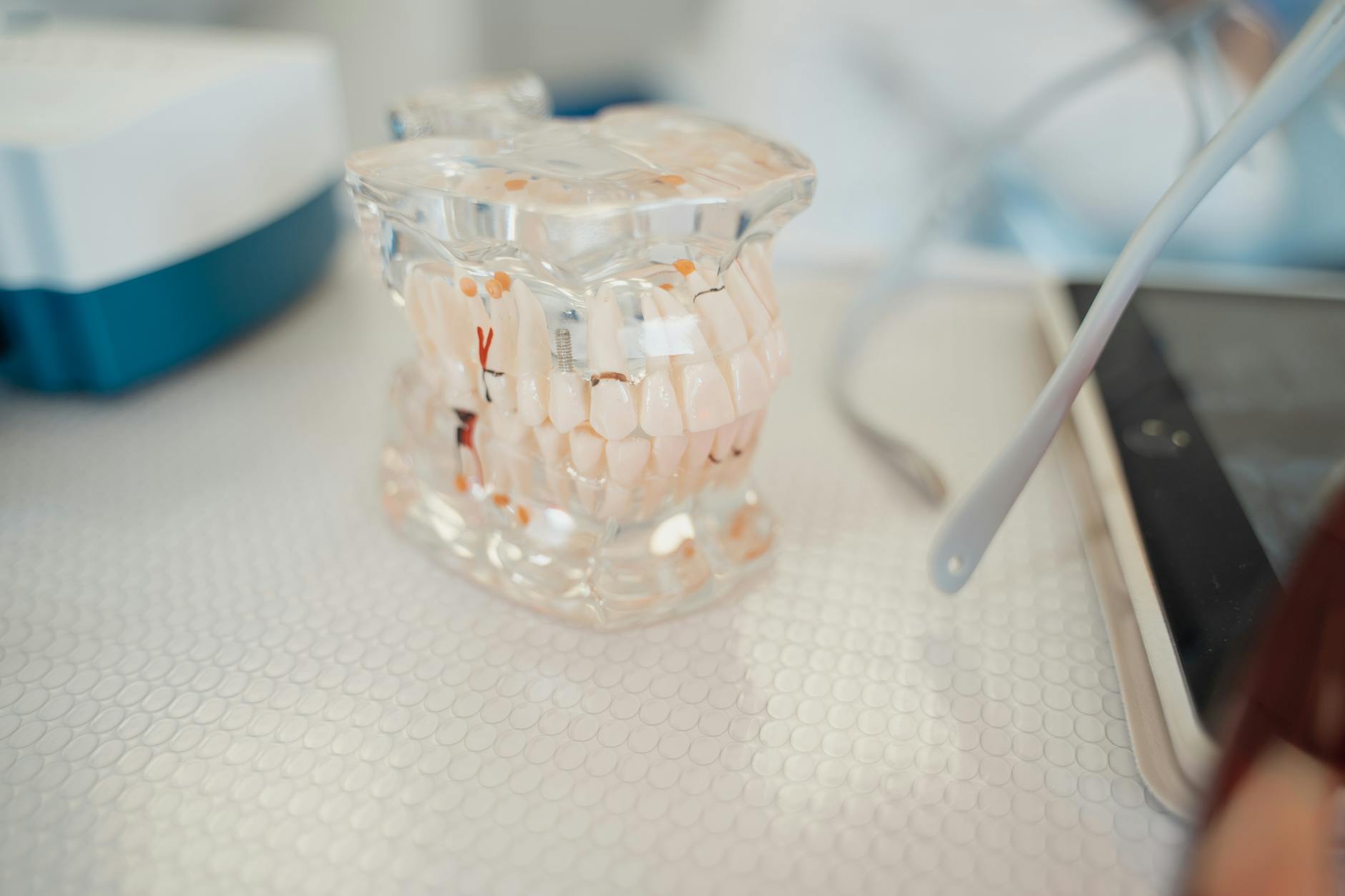
Located in the vibrant community of Lynnwood, WA, The Dental Atelier is committed to providing comprehensive dental care for families. As children grow, their teeth and jaws develop rapidly, and early monitoring can help catch issues like crowded teeth or bite problems before they advance, making future treatments more manageable and effective. We understand that each child is unique, and our team is dedicated to working with families to craft personalized treatment plans that cater to individual needs. Our goal is to ensure your child has a healthy, beautiful smile to last a lifetime.
Table of Contents
Key Takeaways
| Point | Details |
|---|---|
| Ideal Evaluation Age | The ideal age for a child's first orthodontic evaluation is around 7 years old. |
| Early Issue Identification | Early evaluations help identify potential orthodontic issues before they progress. |
| Signs for Evaluation | Signs such as crowded teeth or bite problems indicate the need for an evaluation. |
| Benefits of Early Intervention | Early intervention can simplify future orthodontic treatments and improve outcomes. |
| Customized Treatment Plans | Consult with a pediatric orthodontist to tailor the best treatment plan for your child. |
Understanding the Importance of Early Orthodontic Assessments
Early orthodontic assessments are a cornerstone of preventive dental care for children. These evaluations help identify potential dental issues before they develop into more significant problems. The American Association of Orthodontists recommends that all children have their first orthodontic evaluation by the age of 7. This early assessment is crucial in determining the need for intervention and planning the appropriate treatment timeline.
Benefits of Identifying Dental Issues Early
Recognizing dental issues early through a children's orthodontic consultation offers several advantages:
- Early Intervention: Issues such as crowding, spacing, and bite problems can be addressed more effectively when caught early.
- Guided Growth: A pediatric orthodontist can guide the growth of the jaw and incoming permanent teeth, potentially preventing more severe problems.
- Reduced Treatment Complexity: Early assessments can simplify future treatments, potentially avoiding more invasive procedures like surgery.
According to the American Dental Association, early orthodontic intervention can lead to better outcomes for children's oral health. A study by the National Institutes of Health (2018) found that early treatment can reduce the need for complex treatments later by as much as 30%.
The Role of a Pediatric Orthodontist
A pediatric orthodontist specializes in diagnosing and treating dental issues in children. They play a vital role in people-first dentistry in Lynnwood, WA by:
- Conducting thorough assessments to identify potential issues.
- Providing personalized treatment plans that fit the child's specific needs.
- Monitoring growth and development to adjust treatment plans as necessary.
At The Dental Atelier in Lynnwood, we emphasize the importance of these early evaluations as part of our holistic approach to dental care.
| Evaluation Aspect | Importance | Benefit to Patients |
|---|---|---|
| Jaw Growth Monitoring | Ensures proper alignment and function | Prevents severe orthodontic issues |
| Tooth Eruption Guidance | Facilitates correct tooth positioning | Reduces need for future extractions |
Pro Tip for Patients: Schedule your child's first orthodontic evaluation by age 7 to catch potential dental issues early. This proactive approach can save time, reduce treatment costs, and enhance your child's oral health in the long run.
Signs Your Child Might Need an Orthodontic Evaluation
Recognizing the signs that your child might need an orthodontic evaluation is crucial for ensuring proper dental development. Early intervention can prevent more complex issues later on. Here are some common indicators that may suggest your child needs to visit The Dental Atelier in Lynnwood for an orthodontic consultation.
Crowded or Misaligned Teeth
Crowded teeth are one of the most visible signs that an orthodontic evaluation might be necessary. When teeth overlap or are too close together, it can be difficult for your child to clean them properly, leading to increased risks of cavities and gum disease. According to the Mayo Clinic, early orthodontic assessments can help guide jaw growth, which may prevent more severe alignment issues in the future.
Misaligned teeth can also impact jaw development and bite function. Proper alignment not only enhances appearance but also improves oral health by making it easier to chew and speak.
Early or Late Loss of Baby Teeth
The timing of losing baby teeth plays a significant role in a child's dental development. Typically, children begin losing their baby teeth around age six. If your child loses their teeth much earlier or later than their peers, it could indicate underlying orthodontic issues.
- Early Loss: May suggest that adult teeth are erupting too soon, potentially leading to crowding.
- Late Loss: Could indicate that adult teeth are not developing properly, possibly due to alignment problems.
Consulting a dentist in Lynnwood, such as The Dental Atelier, can help determine whether your child's tooth loss pattern is normal or requires intervention.
Difficulty Chewing or Speaking
Children who struggle with chewing or speaking might have underlying orthodontic problems. Issues with bite alignment can make it challenging to chew food effectively, while misaligned teeth can affect speech development. According to a study by the National Institutes of Health, early orthodontic treatment can correct these functional issues and enhance a child's overall quality of life.
| Sign | Potential Issue | Why It Matters |
|---|---|---|
| Crowded Teeth | Alignment Issues | Increases risk of cavities and gum disease |
| Early/Late Loss of Baby Teeth | Developmental Delays | May lead to misalignment or crowding |
| Difficulty Chewing/Speaking | Bite Problems | Affects eating and speech development |
Pro Tip for Patients: If you notice any of these signs in your child, consider scheduling their first orthodontic evaluation at The Dental Atelier. Early assessment can prevent more significant issues and ensure healthy dental development.
Age and Timing: When to Start Orthodontic Treatment for Children
Understanding the optimal timing for orthodontic evaluations can significantly impact the effectiveness of treatment for children. The American Association of Orthodontists (AAO) recommends that children have their first orthodontic evaluation by age 7. This age is crucial because it coincides with the eruption of permanent teeth and significant jaw development, allowing orthodontists to detect potential issues early.
Why Age 7 is Significant
At age 7, children typically have a mix of primary (baby) teeth and permanent teeth. This transitional period is when orthodontists can assess the alignment of the teeth and jaws. Identifying problems such as crowding, crossbites, or overbites early can lead to more effective and less invasive treatments. According to the AAO, early intervention can prevent more severe issues from developing later, reducing the need for extractions or surgery in the future (AAO).
During this initial evaluation, orthodontists will monitor several developmental stages, including:
- Jaw growth and alignment: Ensures both jaws are developing symmetrically.
- Teeth eruption: Checks for proper timing and sequence of permanent teeth eruption.
- Bite function: Assesses how the top and bottom teeth meet, identifying potential functional issues.
Scenarios for Earlier or Later Evaluations
While age 7 is the recommended age for the first evaluation, certain circumstances may necessitate earlier or later assessments. For example, if a child's teeth are visibly crowded or their jaws make sounds when opening or closing, an earlier consultation might be warranted.
Conversely, some children may not show immediate signs of orthodontic issues at age 7. In such cases, orthodontists might recommend monitoring development and scheduling follow-up evaluations as needed. This approach ensures that treatment is only initiated when necessary, avoiding unnecessary interventions and costs.
| Age for Evaluation | Developmental Indicators | Potential Benefits |
|---|---|---|
| Age 7 | Mixed dentition stage | Early detection of alignment issues |
| Before Age 7 | Severe crowding or jaw issues | Preemptive treatment planning |
| After Age 7 | No immediate issues | Delays unnecessary treatments |
At The Dental Atelier in Lynnwood, we emphasize early evaluations as part of our people-first dentistry approach. By assessing and monitoring children's orthodontic development, we help ensure healthy smiles for life.
Pro Tip for Patients: Schedule your child's first orthodontic evaluation by age 7 to catch potential issues early. If you're in the Lynnwood area, consider contacting The Dental Atelier to learn more about our comprehensive orthodontic services.
Benefits of Early Orthodontic Evaluations and Planning Treatment
Early orthodontic evaluations offer numerous advantages for children, allowing for timely interventions and preventive measures that can simplify future treatments. This proactive approach can lead to cost savings, psychological benefits, and overall improved dental health. Understanding the timing and importance of these evaluations is crucial for parents and guardians looking to ensure the best outcomes for their children's oral health.
Preventive Measures and Simpler Future Treatments
Conducting a first orthodontic evaluation for kids around the age of seven allows orthodontists to detect potential dental issues early. According to the American Association of Orthodontists, by this age, children have a mix of adult and baby teeth, making it easier to predict how their teeth will develop over time (ADA). Early detection can prevent more severe problems that might require complex treatments later on. For example, early interventions such as palate expanders can guide the growth of the jaw, reducing the need for extractions or surgery in the future.
Early orthodontic assessments can streamline future treatments, such as kids braces, making them less invasive and more effective. By addressing issues like crowding or bite misalignment early, treatments can be shorter in duration and less costly.
Cost-Effectiveness and Psychological Benefits
Investing in early orthodontic care can be financially advantageous. While the initial evaluation and treatments might seem like an added expense, they often lead to significant cost savings by reducing the need for extensive procedures later. For families in Lynnwood, The Dental Atelier provides Affordable Dental Membership Plans, helping to alleviate financial burdens associated with ongoing dental care.
Moreover, addressing orthodontic issues early can have substantial psychological benefits for children. Proper alignment of teeth can enhance a child's self-esteem, reduce the risk of bullying, and ensure better oral hygiene practices. A healthy, attractive smile can positively impact a child's social interactions and confidence.
Finding a skilled pediatric orthodontist is crucial for successful early evaluations. Parents searching for a "pediatric orthodontist near me" in Lynnwood can consider Contact with The Dental Atelier – Lynwood, WA for expert consultations and personalized care.
| Benefits of Early Evaluation | Description | Impact on Treatment |
|---|---|---|
| Preventive Measures | Early detection of orthodontic issues | Reduces need for complex procedures |
| Cost-Effectiveness | Minimizes future treatment expenses | Long-term financial savings |
| Psychological Benefits | Improves self-esteem and social interactions | Boosts confidence and oral hygiene |
Pro Tip for Patients: Schedule your child's first dental visit and orthodontic evaluation by age seven to catch potential issues early. This proactive step can save you time, money, and ensure your child's smile is both healthy and confident.
Frequently Asked Questions
What age is best for my child's first orthodontic evaluation?
The American Association of Orthodontists recommends that children have their first orthodontic evaluation by age 7. By this age, your child's mouth has developed enough for our experts at The Dental Atelier in Lynnwood to identify potential orthodontic issues such as crossbites, crowding, or other alignment problems. Early evaluations allow us to monitor your child's oral development and plan any necessary treatments at the optimal time.
Why is an early orthodontic evaluation important?
An early orthodontic evaluation, often by age 7, helps detect and address developmental issues before they become more complex. At The Dental Atelier, your Lynnwood dentist, we can identify problems with jaw growth and emerging teeth, allowing for early intervention if needed. This proactive approach can lead to a simpler, more cost-effective treatment down the road.
What should I expect during my child's first orthodontic visit?
During your child's first visit to The Dental Atelier in Lynnwood, our team will conduct a thorough examination of their teeth, jaw, and bite. We may take X-rays or photographs to get a detailed view of their oral structure. This initial evaluation helps us assess if immediate treatment is required or if monitoring and future check-ups will suffice.
Does my child need braces right after their first evaluation?
Not necessarily. At The Dental Atelier, we focus on providing the right treatment at the right time. Many children don't need braces immediately after their initial evaluation. If no immediate issues need addressing, we will create a monitoring plan to track your child's dental development and intervene when necessary to ensure the best outcome.
How can early orthodontic treatment benefit my child?
Early orthodontic treatment can correct developmental issues in their early stages, potentially simplifying later phases of orthodontic care. At our Lynnwood dental practice, we can address problems like severe crowding, misaligned jaws, and protruding teeth. This can improve overall dental health and enhance the child's smile, boosting their confidence and well-being.
Will my dental insurance cover my child's orthodontic evaluation?
Coverage for orthodontic evaluations can vary by insurance plan. At The Dental Atelier in Lynnwood, WA, we recommend checking with your insurance provider to understand your benefits. Our team can assist by providing detailed information and discussing financing options to ensure your child's care is both affordable and effective.
What if I have more questions about orthodontic evaluations?
If you have any further questions or concerns, don't hesitate to reach out to us. At The Dental Atelier in Lynnwood, we are dedicated to providing personalized care and clear communication. Feel free to contact our office to discuss any specific concerns or set up an appointment for your child's first evaluation.
Conclusion
Understanding when your child needs their first orthodontic evaluation is crucial for ensuring they have the healthiest smile possible. Early evaluations, typically recommended around age 7, can significantly impact your child’s dental health. By identifying potential orthodontic issues at this age, we can employ preventive measures that may simplify or shorten future treatments, giving your child the best chance for a beautiful, lifelong smile.
At The Dental Atelier, we are committed to providing personalized, compassionate care tailored to each child's unique needs. Our team in Lynnwood is here to guide you every step of the way, from the initial evaluation to any necessary treatments, ensuring a positive and educational experience for both you and your child. Recognizing the importance of early intervention, we take pride in using the latest technology and techniques to deliver the best results.
Don’t wait to give your child the best orthodontic care possible. Schedule their first orthodontic evaluation today at The Dental Atelier in Lynnwood. Let us help pave the way for your child's confident, healthy smile. Contact us now to set up a consultation and take the first step towards optimal dental health for your family.

.svg)