
Did you know that 42% of kids aged 2 to 11 have cavities in their primary teeth? This alarming statistic highlights the importance of dental hygiene practices like flossing to help prevent cavities and gum disease right from an early age. At The Dental Atelier in Lynnwood, nurturing healthy habits in children is a paramount goal, and we understand that getting your child to floss might seem challenging. However, with the right flossing tips for kids, it can be a fun and rewarding experience for both you and your child.
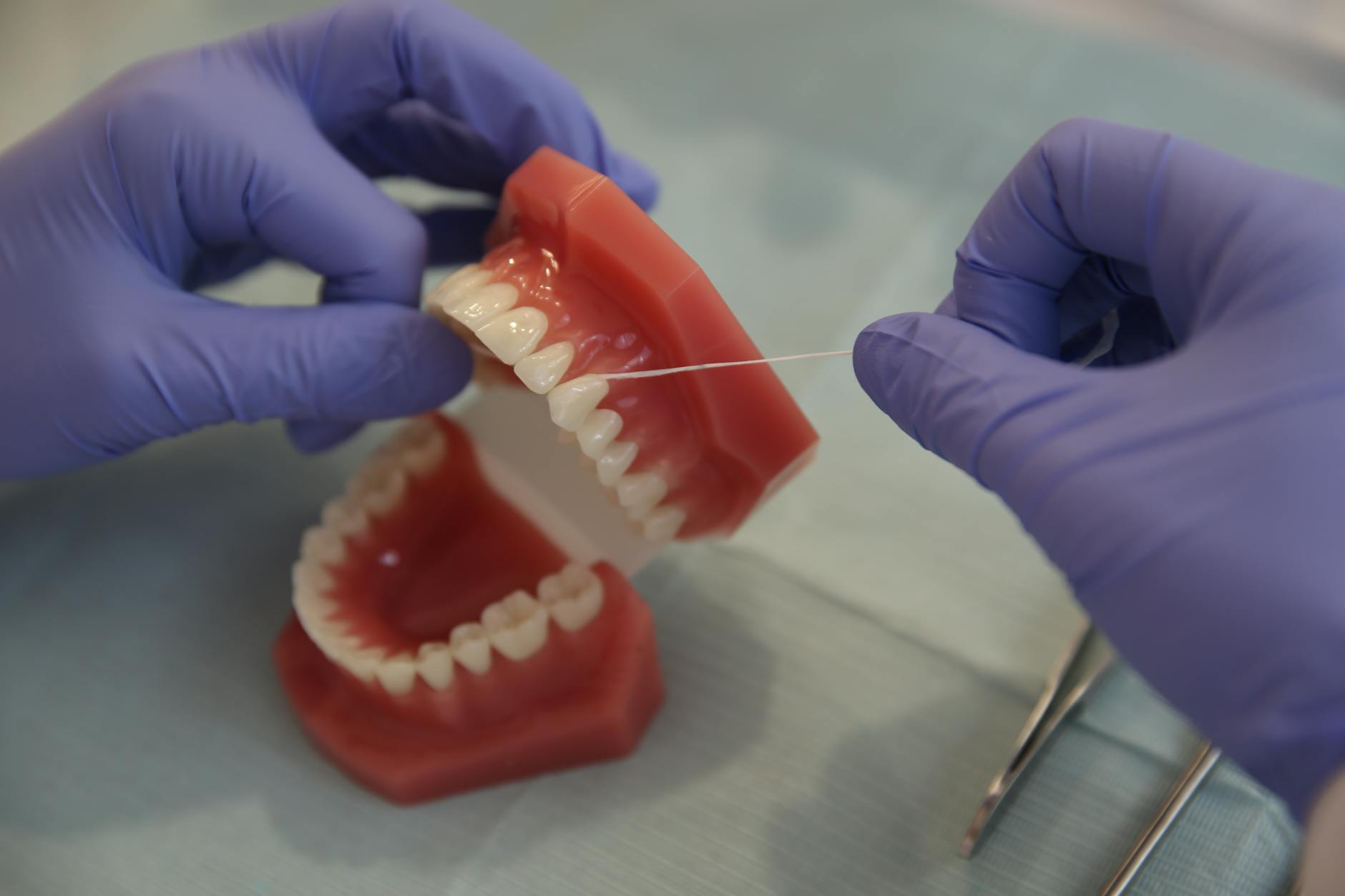
In this article, we aim to equip parents with practical advice and effective techniques for introducing and maintaining a flossing routine in their children's oral healthcare regime. You will discover how to select the best dental floss options that are both suitable and appealing to young children. Moreover, we will delve into age-appropriate techniques to help teach your child how to floss properly without any fuss or hassle. Incorporating these child-friendly methods will not only ensure their oral health but also make flossing an enjoyable part of their daily routine.
Furthermore, we'll guide you through incorporating fun and engaging flossing activities to encourage your child’s regular habits. We'll also explore the ideal age to start introducing your child to flossing, integrating it effectively into their overall dental health plan. As a dedicated Lynnwood dental practice, we're committed to supporting families in fostering lifelong dental hygiene habits.
Table of Contents
Key Takeaways
| Point | Details |
|---|---|
| Importance of Flossing | Flossing is crucial in preventing cavities and gum disease in kids, promoting better oral health. |
| Choosing the Right Floss | Learn how to select dental floss options that are suitable and appealing for children. |
| Effective Techniques | Discover age-appropriate flossing techniques to teach children the proper way to floss. |
| Engaging Flossing Habits | Explore fun and child-friendly flossing options to make it an enjoyable routine. |
| Starting Age for Flossing | Find out the ideal age to introduce flossing to children and integrate it into their hygiene routine. |
Understanding the Importance of Flossing for Kids
Flossing is a critical component of oral hygiene that should be introduced early in a child's life. It plays a vital role in preventing cavities and gum disease, which are common concerns among children. According to the American Dental Association, flossing removes plaque and food particles from areas between the teeth that a toothbrush cannot reach, significantly reducing the risk of dental issues (ADA).
Why Flossing is Crucial for Children's Oral Health
Flossing is essential for maintaining healthy gums and teeth. When children learn to floss early, they develop lifelong habits that contribute to overall oral health. Here are the key benefits of introducing flossing to kids:
- Prevention of Cavities: Flossing helps in removing plaque, which is a sticky film of bacteria. If not removed, plaque can lead to cavities. A study by the Centers for Disease Control and Prevention (CDC) reported that 20% of children aged 5 to 11 have at least one untreated decayed tooth (CDC, 2019).
- Gum Disease Prevention: Regular flossing prevents gingivitis, the initial stage of gum disease. The National Institute of Dental and Craniofacial Research notes that about 50% of children show signs of gingivitis (NIDCR).
- Improved Oral Hygiene: By removing debris and bacteria, flossing keeps the mouth cleaner and can improve breath quality and overall oral hygiene.
Benefits of Introducing Flossing Early
Starting flossing at an early age helps children understand the importance of oral care. It instills discipline and routine, making them more likely to maintain these habits into adulthood. Early introduction also means that children become familiar with the technique, reducing anxiety or resistance to flossing as they grow older.
| Age Group | Flossing Frequency | Benefits |
|---|---|---|
| 2-6 Years | Once daily with supervision | Prevents plaque buildup and promotes learning |
| 7-12 Years | Once daily independently | Prevents cavities and establishes routine |
At The Dental Atelier in Lynnwood, we emphasize the importance of teaching kids proper flossing techniques. Our dedicated team provides guidance to make flossing a fun and engaging activity for children.
Pro Tip for Patients: Start flossing your child's teeth as soon as they have two teeth that touch. Use fun, colorful flossers designed for kids to make the experience enjoyable and promote regular flossing habits.
Choosing the Best Dental Floss for Children
When it comes to maintaining optimal oral hygiene for your children, selecting the right dental floss is crucial. Flossing is an essential part of kids oral hygiene tips, as it helps remove plaque and food particles that a toothbrush might miss. However, not all dental floss is created equal, especially for children. This section will guide you through choosing the best floss for your little ones.
Types of Dental Floss for Kids
There are several types of dental floss available, each with unique features tailored to meet the needs of children. Here are some popular options:
- Floss Picks: These are small plastic devices with a short piece of floss stretched between two prongs. They are easy for children to handle and can make flossing more manageable for those with less dexterity.
- Waxed Floss: This type of floss is coated with a layer of wax, making it easier to slide between tight teeth. It’s particularly useful for children with braces.
- Flavored Floss: Adding a fun flavor like bubblegum or strawberry can make flossing more appealing to kids, encouraging them to maintain the habit.
| Type of Floss | Description | Benefits for Kids |
|---|---|---|
| Floss Picks | Plastic handle with a piece of floss | Easy to use, great for small hands |
| Waxed Floss | Floss coated with wax | Slides easily between teeth, suitable for braces |
| Flavored Floss | Floss with added flavor | Increases appeal, encourages regular use |
Safety and Material Considerations
When selecting dental floss for children, safety is a paramount concern. Ensure that the floss is made from non-toxic materials and free of harmful chemicals. Look for products that are BPA-free and labeled as safe for children. According to the American Dental Association, it’s essential to supervise children under the age of 10 while they are flossing to ensure they are using the floss correctly and safely (ADA).
Additionally, statistics show that incorporating regular flossing into a child's dental routine can reduce the risk of cavities by up to 40% (Cleveland Clinic, 2021). This highlights the importance of teaching kids to floss from an early age, using products that are both safe and effective.
At The Dental Atelier in Lynnwood, we emphasize the importance of establishing good oral hygiene habits early on. By choosing the right floss and ensuring it is used correctly, parents can help their children maintain healthy teeth and gums.
Pro Tip for Patients: Start flossing your child’s teeth as soon as they have two teeth that touch. Make flossing a fun and positive experience by using flavored flosses and floss picks, and always supervise young children to ensure proper technique.
Teaching Kids to Floss: Effective Techniques and Tips
Teaching children the art of flossing is a crucial step in establishing lifelong oral hygiene habits. While brushing cleans the surfaces of the teeth, flossing removes debris and plaque from between the teeth and under the gumline. According to the American Dental Association, flossing is essential in preventing cavities and gum disease (ADA, 2021).
Age-Appropriate Flossing Techniques
Introducing flossing to children can be made easier by tailoring techniques to their specific developmental stages. Here’s a guide to help parents teach flossing effectively:
Toddlers (Ages 2-4)
- Use Floss Picks: Floss picks are easier for small hands to manage than traditional string floss.
- Parental Assistance: At this age, parents should floss their toddler's teeth, demonstrating the process and explaining why it’s important.
- Engage with Stories or Songs: Make flossing fun by incorporating songs or stories to keep the child engaged.
Young Children (Ages 5-7)
- Introduce Flossers: Handheld flossers with handles are ideal for children learning to floss independently.
- Demonstrate Technique: Show them how to gently slide the flosser between their teeth and curve it around each tooth to clean all sides.
- Supervised Practice: Guide them while they practice to ensure they are using the correct technique.
Older Children (Ages 8 and Up)
- Use Traditional Floss: Encourage the use of traditional string floss as their dexterity improves.
- Teach Proper Technique: Instruct them to use about 18 inches of floss, wrapping most of it around one finger and a little around another. Slide it between the teeth and use a gentle sawing motion.
- Encourage Routine: Reinforce the importance of daily flossing as part of their oral hygiene routine.
Motivating Children to Floss
Encouragement and motivation are key to making flossing a regular habit for children. Here are some tips:
- Set a Good Example: Let children see you flossing regularly.
- Use a Chart: Create a reward chart to track their flossing and offer small rewards for consistency.
- Make it Fun: Use flavored floss or flossers with fun designs to make the process enjoyable.
| Technique | Age Group | Key Benefit |
|---|---|---|
| Floss Picks | Toddlers | Easy handling for small hands |
| Flossers | Young Children | Encourages independent flossing |
| Traditional Floss | Older Children | Promotes proper flossing technique |
Pro Tip for Patients: Incorporate flossing into your child’s nightly routine at the same time as brushing to establish a consistent habit. Visit The Dental Atelier in Lynnwood for more personalized advice on children's oral care from our expert team.
Age-Appropriate Flossing and Routine Integration
Flossing is a critical component of oral hygiene, and introducing it to children at the right age is essential for long-term dental health. The American Dental Association recommends that parents begin flossing their children's teeth as soon as they have two teeth that touch. This often occurs around the ages of 2 to 3 years. However, the ability for children to floss independently varies based on their developmental readiness and motor skills.
Developmental Readiness for Flossing
Children develop the dexterity needed to floss effectively between the ages of 6 and 8. Until then, parents should assist with flossing to ensure it is done correctly. It's important to select the right type of dental floss for kids, such as floss picks or specially designed flossers, which can make the process easier and more enjoyable for both parents and children. According to a study published by the National Institutes of Health in 2020, approximately 20% of children aged 5-11 have untreated cavities, highlighting the importance of effective oral hygiene practices, including flossing (NIH).
Integrating Flossing into Daily Routines
Establishing consistent flossing habits can be challenging, but integrating it into a child's daily routine can help. Here are some practical tips:
- Make it a Family Activity: Floss together as a family to demonstrate its importance and make it a shared experience.
- Use Visual Aids: Use books or videos that explain the importance of flossing to children in an engaging way.
- Set a Timer: Use a timer to ensure that children floss for an adequate amount of time each day.
- Reward Consistency: Establish a reward system for consistent flossing to motivate children.
At The Dental Atelier, we emphasize the importance of making flossing a non-negotiable part of your child's oral hygiene routine. Consistency is key to preventing future dental issues and instilling lifelong healthy habits.
| Floss Type | Description | Benefit to Children |
|---|---|---|
| Traditional Floss | A string of thin filament that cleans between teeth. | Effective for tight spaces but requires good dexterity. |
| Floss Picks | Plastic tool with a piece of floss stretched between two prongs. | Easier for children to use, especially with parental assistance. |
| Water Flossers | Device that uses a stream of pulsating water to remove plaque. | Great for children who struggle with traditional flossing methods. |
Pro Tip for Patients: Encourage your child to choose their own flossing tools and make the activity fun. By involving them in the decision-making process, you can increase their enthusiasm and commitment to maintaining good oral hygiene. Visit our Dental Insights & Tips page for more helpful tips and resources.
Frequently Asked Questions
When should my child start flossing?
It's recommended that children start flossing as soon as they have two teeth that touch. This usually happens around the age of 2 or 3. Regular flossing helps prevent cavities and promotes healthy gums from an early age. At The Dental Atelier, your Lynnwood dentist, we can provide guidance on how to introduce flossing to your child and make it part of their daily dental care routine.
How can I make flossing fun for my kids?
Making flossing a fun part of your child's day can be as simple as turning it into a game or a part of their story time. Use colorful floss or floss picks and combine flossing with songs or a fun two-minute timer. Bringing your child to The Dental Atelier in Lynnwood can also help, as our friendly team can provide tips and encouragement to get your kids excited about oral health.
What type of dental floss is best for children?
There are many floss options available, but for children, floss picks or flavored floss can make the experience easier and more enjoyable. The handles on floss picks are particularly helpful for small hands still developing fine motor skills. At The Dental Atelier in Lynnwood, WA, we can recommend specific products that are safe and effective for your child's needs.
How often should my child floss?
Just like adults, children should floss once a day to remove plaque and food particles from between their teeth. Consistency is key to preventing tooth decay and gum disease. Our team at The Dental Atelier in Lynnwood can offer advice on how to build a nighttime routine that includes brushing and flossing to maintain optimal oral health for your child.
Is it okay for my child to use an electric flosser?
Electric flossers can be effective, especially if your child finds traditional flossing challenging. They are generally safe for children, but it's important to ensure your child understands how to use them correctly to avoid injury to their gums. During your next visit to The Dental Atelier, your Lynnwood dental practice, we can show you and your child the proper technique for using electric flossers.
What should I do if my child refuses to floss?
If your child is resistant to flossing, try using positive reinforcement techniques such as reward charts or offering praise for their efforts. Involving them in choosing their floss or teaching them about the 'sugar bugs' hiding between their teeth can also motivate them. The team at The Dental Atelier in Lynnwood can provide additional strategies tailored to your child's needs and personality.
Conclusion
Planting the seed of good oral hygiene in children doesn't just ensure a lifetime of healthy smiles; it also reinforces the importance of self-care and responsibility. By incorporating the tips and techniques outlined, such as making flossing fun and part of daily routines, parents can successfully embed these habits into their children's lives.
At The Dental Atelier, your Lynnwood dentist, we understand the challenges and joys of child dental care. Our dedicated team is here to support you and your family by providing personalized advice and care that meets your unique needs. We invite you to schedule a consultation to discuss your child’s dental habits and any concerns you may have.
Equipped with the right tools and techniques, transforming flossing from a daily chore into a bonding experience can be a joyous journey for both kids and parents. The Dental Atelier in Lynnwood is committed to ensuring that every step of your child's dental journey is full of positivity and reinforcement. Together, we can build a foundation of strong oral health for your child.
Don't wait for the next toothache to act! Contact The Dental Atelier in Lynnwood today to book your child’s next dental appointment and let us be your partners in safeguarding their precious smiles.

.svg)