
Did you know that nearly 36% of the population experiences dental anxiety, making sedation a crucial component in dental procedures, especially for dental implants? At The Dental Atelier, your Lynnwood dentist, we understand that the prospect of undergoing dental implant surgery can be intimidating. The options for sedation dental implants can make the process smoother and more comfortable for patients who may otherwise avoid necessary treatment due to fear or anxiety.
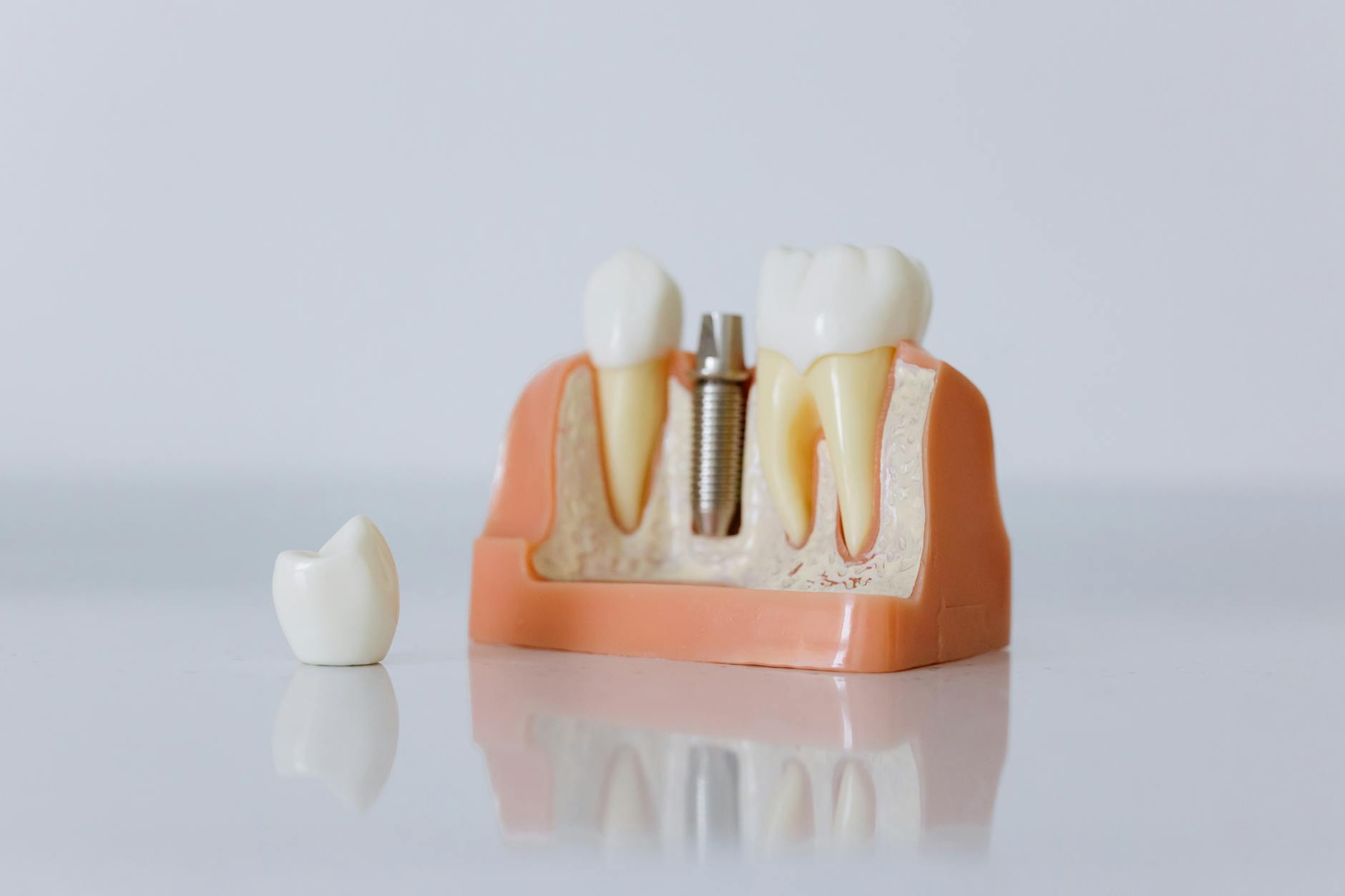
Sedation dentistry is a game-changer, especially for those who are apprehensive about dental procedures. In this article, we will delve into the various sedation options available at The Dental Atelier in Lynnwood. You'll discover the types of sedation—ranging from mild oral sedatives to more profound intravenous (IV) sedation—each tailored to ensure a stress-free and painless experience. We'll also discuss the benefits and considerations of these methods, along with an overview of the associated costs, so you can make an informed decision that aligns perfectly with your needs.
Moreover, we aim to provide peace of mind by detailing how sedation works, addressing common concerns like safety and effectiveness. By the end of this read, you'll have a comprehensive understanding of how sedation can not only alleviate anxiety but also enhance the overall effectiveness of your dental implant procedure. Read on to learn more about what to expect and how The Dental Atelier, your Lynnwood dental practice, is committed to your comfort and care every step of the way.
Table of Contents
Key Takeaways
| Point | Details |
|---|---|
| Understanding Sedation Options | Learn about the different types of sedation available for dental implants at The Dental Atelier. |
| Benefits and Considerations | Explore the advantages and things to keep in mind when choosing between conscious and IV sedation. |
| Cost Insights | Get to know the costs associated with sedation for dental implant procedures. |
| Anxiety Reduction | Discover how sedation dentistry significantly reduces dental anxiety, making the process more approachable. |
| Comprehensive Process Overview | Receive a detailed overview of the entire sedation process from start to finish. |
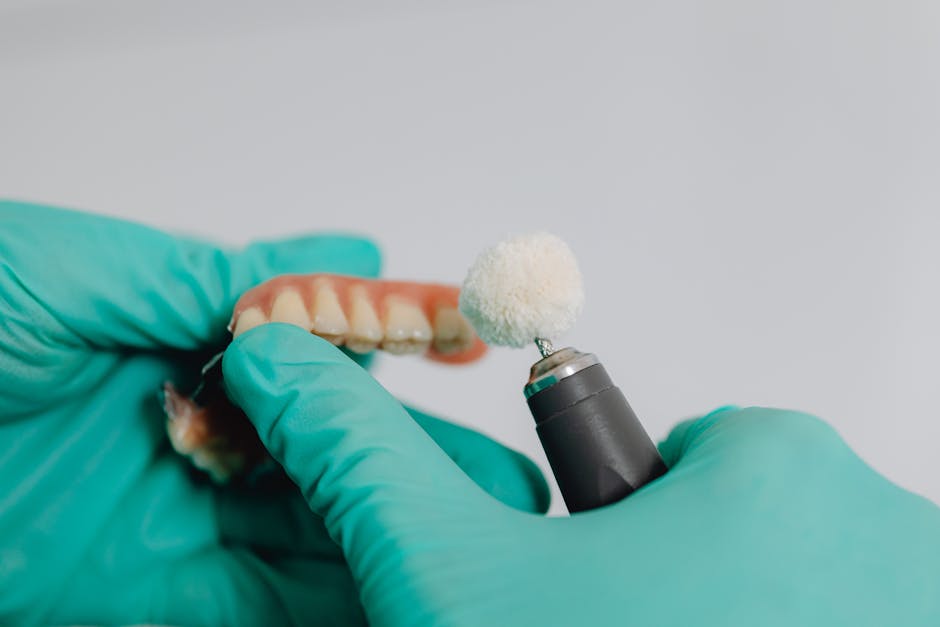
Understanding Sedation in Dental Implant Procedures
When it comes to dental implant surgeries, the use of sedation plays a crucial role in ensuring a comfortable and anxiety-free experience. Dental implants are an effective solution for replacing missing teeth, but the procedure can be daunting for many. This is where sedation techniques come into play, especially recommended for patients with dental anxiety or those undergoing complex surgeries.
Why Sedation is Recommended for Dental Implants
Sedation is not only about alleviating pain; it’s about enhancing the overall experience for patients. Here's why it is often recommended:
- Reduces Anxiety: Many patients experience anxiety at the thought of dental procedures. Sedation helps calm nerves, making it easier for both the patient and the dentist.
- Pain Management: While local anesthesia is used to numb the surgical site, sedation offers an additional layer of comfort by helping patients relax and feel at ease.
- Time Perception: Sedation often causes patients to have little to no memory of the procedure, making lengthy surgeries feel much shorter.
According to the American Dental Association, approximately 36% of the population avoids dental care due to fear and anxiety, highlighting the importance of sedation in encouraging people to seek necessary dental treatments [ADA, 2022].
Types of Sedation for Dental Implant Procedures
There are several sedation options available depending on the patient's needs and the complexity of the procedure:
| Sedation Type | Description | Benefit to Patients |
|---|---|---|
| Minimal Sedation | Patients are awake but relaxed. | Ideal for patients with mild anxiety; quicker recovery. |
| Moderate Sedation (Conscious Sedation) | Patients are awake but may not remember much of the procedure. | Helps with moderate anxiety; maintains patient cooperation. |
| Deep Sedation | Patients are on the edge of consciousness but can be awakened. | Suitable for longer, more complex implant procedures. |
| General Anesthesia | Patients are completely unconscious. | Used for major surgical procedures; no awareness of the surgery. |
Choosing the right type of sedation is essential for a successful dental implant procedure. At The Dental Atelier in Lynnwood, the dental team provides personalized sedation plans to ensure the comfort and safety of every patient.
Pro Tip for Patients: If you're considering dental implants and are concerned about discomfort or anxiety, discuss sedation options with your dentist in Lynnwood to find the best approach for your needs.
Types of Sedation Options: From Oral to IV
When considering dental implants at The Dental Atelier, understanding the sedation options available can significantly ease any anxiety about the procedure. There are several sedation methods that cater to different levels of comfort and anxiety, including oral sedation, IV sedation, and conscious sedation. Each type has unique characteristics, benefits, and administration methods, making it essential for patients to choose the one that best fits their needs.
Oral Sedation
Oral sedation involves taking a prescribed medication, usually in pill form, prior to the procedure. This method is quite popular due to its simplicity and effectiveness in managing anxiety. Common medications used include diazepam and triazolam, which help patients feel relaxed and calm during the dental procedure.
- Administration: Taken orally in pill form, typically an hour before the procedure.
- Effects: Induces a state of drowsiness, allowing patients to remain conscious but relaxed.
- Recovery: Patients may feel groggy and should arrange for transportation post-appointment.
IV Sedation
IV sedation, or intravenous sedation, provides a deeper level of sedation, making it ideal for more complex procedures like dental implants. This method involves administering sedatives directly into the bloodstream, allowing for quick onset and easy adjustment of sedation levels.
- Administration: Delivered via an intravenous line, typically in the arm or hand.
- Effects: Patients achieve a semi-conscious state where they are deeply relaxed and may not remember much of the procedure.
- Recovery: Recovery time is longer; patients need assistance traveling home.
Conscious Sedation
Conscious sedation is a technique that allows patients to remain awake and responsive while minimizing discomfort and anxiety. This can be achieved through various agents, including nitrous oxide or oral sedatives, making it versatile for different procedures.
- Administration: Can be administered through gas (nitrous oxide) or oral medications.
- Effects: Produces a calming effect without inducing sleep; patients can communicate with the dentist.
- Recovery: Quick recovery time, especially with nitrous oxide, allowing patients to resume normal activities sooner.
| Sedation Type | Administration | Benefits |
|---|---|---|
| Oral Sedation | Pill form, taken before the procedure | Simple, effective for anxiety, no needles |
| IV Sedation | Intravenous line | Quick onset, adjustable levels, ideal for complex procedures |
| Conscious Sedation | Gas or oral medications | Patient remains responsive, minimal recovery time |
According to the American Dental Association, approximately 15% of adults experience dental anxiety, making sedation an essential service for many dental practices (ADA, 2023). Each sedation method has its own set of advantages, and discussing these options with a dentist in Lynnwood can help determine the best choice for your specific needs and level of anxiety.
Pro Tip for Patients: When planning your dental implant procedure at The Dental Atelier, discuss your sedation preferences with Dr. Kunal Narang. This ensures that your experience is as comfortable and stress-free as possible.
Benefits and Costs of Sedation for Dental Implants
Undergoing dental implant surgery can be a daunting prospect for many patients, primarily due to the potential discomfort and anxiety associated with the procedure. Sedation provides a valuable solution, enhancing patient comfort and ensuring a smoother experience. This section will explore the benefits of sedation during dental implant procedures and discuss the typical costs involved.
Benefits of Sedation for Dental Implants
Utilizing sedation during dental implant surgery offers several advantages:
- Reduced Anxiety: Sedation helps alleviate the fear and anxiety that many patients experience when facing dental surgery. This is particularly beneficial for those with dental phobia or previous traumatic dental experiences.
- Increased Comfort: By minimizing awareness of the procedure, sedation allows patients to remain relaxed and comfortable throughout. This is particularly important for lengthy surgeries, such as Affordable All-On-4 Implants in Lynnwood | Dental Atelier.
- Enhanced Cooperation: A relaxed patient is more likely to comply with the dentist's instructions, allowing for a more efficient procedure and potentially reducing the overall time needed for the surgery.
- Amnesia Effect: Many forms of sedation result in partial or total amnesia regarding the procedure, meaning patients often have no recollection of the surgery itself, further reducing post-operative anxiety.
Mayo Clinic notes that sedation is particularly beneficial for patients with a low pain threshold or those undergoing intricate procedures.
Costs of Sedation for Dental Implants
The financial aspect of sedation is an important consideration for many patients. The cost of sedation can vary significantly based on several factors:
| Sedation Type | Average Cost | Details |
|---|---|---|
| Oral Sedation | $250-$500 | Typically involves taking a sedative pill an hour before the procedure. |
| IV Sedation | $500-$1,000 | Administered directly into the bloodstream for quick effect. |
| General Anesthesia | $1,000-$3,000 | Used for more complex surgeries and involves a deeper state of unconsciousness. |
Factors such as the type of sedation, the length of the procedure, and the specific requirements of the patient can influence the total cost. It's important to note that not all insurance plans cover sedation, so patients should verify their coverage beforehand. According to a WebMD report, the choice of dentist and their location can also impact the overall cost, which is why discussing options with a dentist in Lynnwood like The Dental Atelier is advisable.
Pro Tip for Patients: Discuss your sedation options with your dentist at The Dental Atelier to determine the most appropriate choice for your anxiety level and budget. Always verify insurance coverage and explore payment plans to manage costs effectively.
What to Expect: The Sedation Process in Dental Implants
Undergoing dental implant surgery can be a daunting experience for many patients, especially when considering the aspects of sedation and anesthesia. At The Dental Atelier in Lynnwood, understanding the sedation process can help ease anxiety and ensure a smooth procedure. This section provides an overview of the preparation, management, and recovery related to sedation in dental implant procedures.
Pre-Procedure Preparations
Before your dental implant surgery, it is crucial to prepare adequately to ensure the procedure goes smoothly. Here are key steps to take:
- Consultation: Schedule a pre-surgery consultation at The Dental Atelier to discuss sedation options, such as local anesthesia, conscious sedation, or general anesthesia.
- Medical History: Provide a comprehensive medical history, including any allergies or medications, to tailor the sedation plan to your needs.
- Fasting: Generally, you will be advised to fast for at least six hours prior to the procedure if undergoing sedation beyond local anesthesia.
Following these steps ensures that the dental team can prepare appropriately for your sedation needs, minimizing risks and enhancing comfort during the procedure.
Sedation Management During the Procedure
During the dental implant surgery, sedation is carefully managed to ensure both comfort and safety. At The Dental Atelier, the choice of sedation depends on the complexity of the procedure and patient preference:
| Sedation Option | Description | Patient Benefit |
|---|---|---|
| Local Anesthesia | Numbs the specific area; patient remains fully conscious. | Minimal recovery time; effective for minor procedures. |
| Conscious Sedation | Patient is relaxed but awake; often used with nitrous oxide or oral sedatives. | Reduces anxiety; allows for quick recovery. |
| General Anesthesia | Patient is fully unconscious; used for extensive procedures. | No awareness of the procedure; ideal for complex surgeries. |
According to the American Dental Association, conscious sedation is a popular choice for its balance of relaxation and recovery time (ADA, 2021). The dental team monitors vital signs throughout the procedure to ensure your safety.
Post-Sedation Care and Recovery
After the procedure, post-sedation care is pivotal for a smooth recovery:
- Transportation: Arrange for someone to drive you home as you might feel drowsy post-sedation.
- Rest: Plan to rest for the remainder of the day to allow your body to recover fully.
- Follow-Up: Follow all post-operative care instructions provided by your dentist in Lynnwood to avoid complications.
According to WebMD, managing post-operative care effectively can significantly reduce recovery time and prevent complications (WebMD, 2023).
Pro Tip for Patients: Always communicate openly with your dental team about any concerns or previous experiences with sedation. This information can help tailor a sedation plan that maximizes comfort and minimizes risks during your dental implant procedure.
Frequently Asked Questions
What are the sedation options available for dental implant procedures?
At The Dental Atelier, we understand that dental procedures can be daunting, and we offer several sedation options to help ease your nerves. Our most common options include nitrous oxide (laughing gas) for mild relaxation, oral sedation pills for moderate sedation, and IV sedation for a deeper state of relaxation. These options allow you to remain conscious but comfortably at ease during your dental implant procedure. We tailor our sedation methods to meet your specific needs and ensure a smooth and stress-free experience.
Is sedation safe for everyone?
Sedation is generally safe for most patients; however, it's important to discuss your medical history and any current health concerns with your dentist in Lynnwood. During your consultation at The Dental Atelier in Lynnwood, we'll evaluate your overall health and consider any medications you are taking to determine the safest and most effective sedation method for you. Our priority is your comfort and safety throughout the procedure.
Will I need someone to accompany me to my appointment?
If you opt for oral or IV sedation, it's advised to have someone drive you to and from your appointment at The Dental Atelier. These sedation methods can impair your ability to drive or operate machinery for several hours following the procedure. Our team will provide you with comprehensive post-sedation care instructions, ensuring you have a smooth recovery with the help of a friend or family member.
How long does the sedation effect last?
The duration of sedation effects varies with the type used. Nitrous oxide wears off quickly after the procedure ends, allowing you to resume normal activities almost immediately. Oral sedation can last 2-6 hours, affecting your ability to focus and stay alert. IV sedation offers a deeper level of relaxation, and its effects may linger for several hours. Our Lynnwood dental practice ensures you have the guidance needed to manage your post-procedure recovery effectively.
Are there any side effects associated with dental sedation?
Most patients experience minimal side effects with dental sedation at The Dental Atelier in Lynnwood. Common effects include drowsiness, dizziness, and mild nausea. These typically resolve within a few hours post-procedure. We provide detailed aftercare instructions and advise contacting our office if you experience prolonged symptoms or have any concerns.
Can I eat before undergoing dental sedation?
Before your appointment at The Dental Atelier, you'll receive specific pre-procedure instructions based on your chosen sedation method. Typically, you should avoid eating or drinking for at least 6-8 hours before procedures involving oral or IV sedation to prevent complications such as nausea. Our team will provide personalized guidance to ensure your comfort and safety.
How do I know which sedation option is right for me?
Your comfort and dental health are our top priorities at The Dental Atelier, your Lynnwood dentist. During your initial consultation, we’ll discuss all available sedation options, considering factors like your medical history, anxiety levels, and the complexity of the procedure. Together, we'll choose the best sedation method to suit your needs, ensuring a relaxed and successful dental implant experience.

.svg)