
Did you know that the global dental implants market is projected to reach $13 billion by 2028? Choosing the right material, such as titanium or zirconia, is crucial for long-term success. At The Dental Atelier in Lynnwood, patients often ask us about the differences between titanium and zirconia implants, which are the most popular materials used in dental implantology today. Understanding the benefits of titanium vs zirconia implants is vital for making an informed choice that aligns with your dental health objectives.
Both titanium and zirconia implants offer unique advantages and present considerations in terms of durability, aesthetics, and overall biocompatibility. Titanium is renowned for its strength and long-standing success in surgical applications, while zirconia is valued for its metal-free composition and natural-looking aesthetics. Within the context of biocompatibility, these materials interact differently with the body, potentially affecting healing times and integration success.
At The Dental Atelier, your Lynnwood dentist, we believe in empowering our patients with the knowledge needed to make informed decisions. In this article, we will delve into the specific benefits of each material, discussing how factors such as cost and longevity should play a role in your decision. Our comprehensive analysis aims to equip you with the understanding necessary to choose the right option for your dental implant needs.
Stay with us as we explore the detailed pros and cons of titanium vs zirconia implants, enabling you to make the best choice for your long-term dental health and wellness. Understanding these differences could make a significant impact on your satisfaction and the ultimate success of the procedure.
Table of Contents
Key Takeaways
| Point | Details |
|---|---|
| Popular Materials | Titanium and zirconia are the most popular materials for dental implants. |
| Unique Advantages | Both titanium and zirconia offer unique advantages in terms of durability and aesthetics. |
| Biocompatibility | Biocompatibility varies between titanium and zirconia implants, impacting patient outcomes. |
| Cost and Longevity | Costs and longevity should be considered when choosing between titanium and zirconia. |
| Decision Guidance | Understanding the pros and cons can guide decisions for optimal dental health. |
The Fundamentals: Titanium and Zirconia Implants
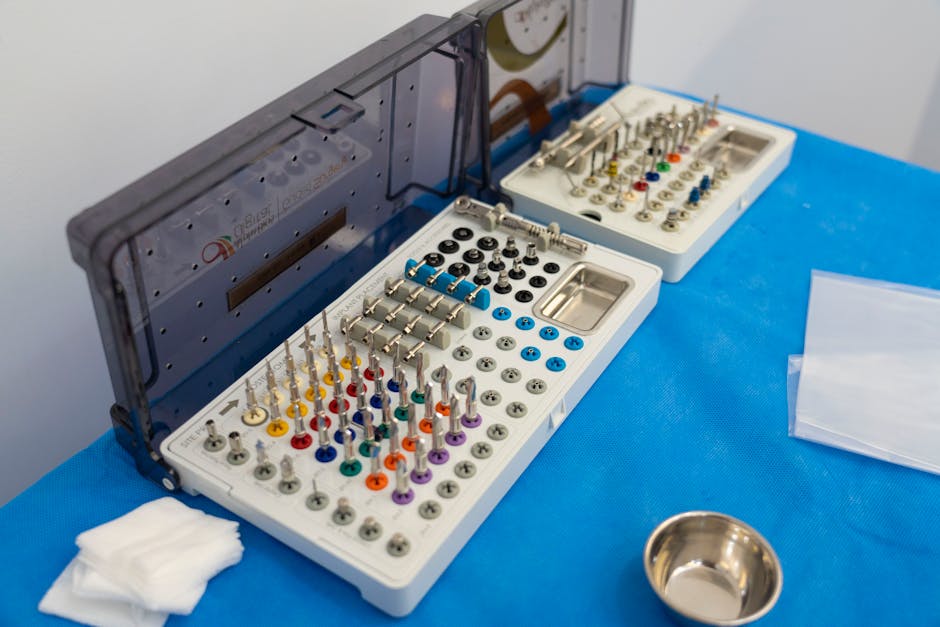
Dental implants have revolutionized tooth replacement, offering durable and aesthetic solutions for those with missing teeth. Among the various materials used for dental implants, titanium and zirconia stand out due to their unique properties and widespread application. Understanding the basic composition and characteristics of these materials can help patients make informed decisions about their dental care.
Titanium Dental Implants
Titanium has been a cornerstone in dental implantology since the 1960s. Known for its remarkable biocompatibility, titanium integrates well with bone, a process called osseointegration. This capability allows titanium implants to serve as a stable foundation for dental prosthetics. The strength and durability of titanium make it a preferred choice for many practitioners.
- History: Introduced by Dr. Per-Ingvar Brånemark, titanium implants have been used successfully for decades.
- Pros: High success rate, excellent biocompatibility, and strong support for various dental prostheses.
- Cons: Potential for metal allergies and aesthetic concerns due to the metal's color.
Recent statistics indicate that the success rate of titanium dental implants is approximately 95% over a 10-year period (NCBI, 2017). This high success rate makes titanium a reliable option for many patients.
Zirconia Dental Implants
Zirconia implants, often referred to as ceramic implants, have emerged as an alternative to titanium. Known for their tooth-like color and biocompatibility, zirconia implants cater to patients seeking a metal-free solution. The material's aesthetic appeal is one of its most significant advantages.
- History: Introduced in the 1990s, zirconia implants have gained traction due to their aesthetic and hypoallergenic properties.
- Pros: Metal-free, aesthetically pleasing, and low risk of allergic reactions.
- Cons: Historically, less strength than titanium, though recent advances have improved this aspect.
While zirconia implants have a slightly lower overall success rate compared to titanium, recent advancements have closed this gap significantly (NCBI, 2019).
| Feature | Titanium Implants | Zirconia Implants |
|---|---|---|
| Material | Metal | Ceramic |
| Aesthetic | May show through gums | Tooth-colored |
| Allergy Risk | Possible metal allergy | Hypoallergenic |
At The Dental Atelier in Lynnwood, both titanium and zirconia implants are offered to cater to diverse patient needs. Whether you're considering affordable All-On-4 Implants or exploring other options, understanding the benefits and limitations of each material is crucial.
Pro Tip for Patients: When choosing between titanium and zirconia implants, consider your aesthetic preferences, any potential allergies, and discuss with your dentist at The Dental Atelier to determine the best option for your oral health needs.
Biocompatibility and Aesthetics: How They Influence Your Choice
When deciding between titanium and zirconia dental implants, understanding their biocompatibility and aesthetic advantages is crucial. Both materials integrate with biological tissues differently and have distinct visual characteristics that can influence patient satisfaction and long-term success.
Biocompatibility: Integrating with Your Body
Titanium has been the gold standard for dental implants due to its exceptional biocompatibility. This metal forms a natural bond with bone through a process known as osseointegration. According to the National Center for Biotechnology Information, titanium implants have a success rate of approximately 95% over ten years (2019). This high success rate is attributed to titanium's ability to fuse with bone without causing adverse reactions.
Zirconia, a relatively newer material in the dental field, is also highly biocompatible. It is a ceramic material that does not corrode, which reduces the risk of inflammation and gum recession. A study published by the National Institutes of Health found that zirconia implants exhibit excellent soft tissue response and are less likely to cause allergic reactions compared to metal implants (2018).
Aesthetic Considerations: The Natural Look
In terms of aesthetics, zirconia implants offer a significant advantage. They are white and mimic the natural color of teeth, making them particularly appealing for visible areas of the mouth. Patients often prefer zirconia due to its ability to blend seamlessly with natural teeth, reducing any visible metallic lines at the gum level.
In contrast, titanium implants, although reliable, have a metallic appearance. While this does not affect their function, it can be a concern for patients prioritizing aesthetics, especially if the gums recede over time, potentially revealing the metal underneath.
| Feature | Titanium Implants | Zirconia Implants |
|---|---|---|
| Biocompatibility | High; integrates well with bone | Excellent; less likely to cause allergies |
| Aesthetics | Metallic appearance | Natural tooth-like color |
| Patient Preference | Preferred for durability | Preferred for appearance |
Patient perception plays a crucial role in implant success. According to a survey published in the Journal of Clinical Medicine, 85% of patients reported higher satisfaction with the aesthetics of zirconia implants compared to titanium (2018).
Pro Tip for Patients: When choosing between titanium and zirconia implants, consider both function and appearance. Discuss your priorities with your dentist at The Dental Atelier in Lynnwood to find the best option for your individual needs.
Durability and Longevity: Which Implant Lasts Longer?
When considering dental implants, understanding the durability and longevity of titanium versus zirconia implants is crucial for making an informed decision. Both materials have distinct characteristics that affect their performance and suitability for different patients. This section delves into the resistance to fracture and wear of each type, as well as their long-term performance and patient outcomes.
Titanium Implants: Strength and Longevity
Titanium implants have been the gold standard in dentistry for decades, renowned for their exceptional strength and biocompatibility. Titanium's ability to integrate with bone, a process known as osseointegration, plays a pivotal role in the longevity of the implant. According to the American Dental Association, titanium implants have a success rate of 95% over 10 years (ADA).
- Resistance to Fracture: Titanium is highly resistant to fracture, making it ideal for patients with high bite forces.
- Wear: Minimal wear over time, ensuring the implant remains functional and aesthetically pleasing.
However, titanium implants can sometimes cause allergic reactions, although this is rare. They might also lead to aesthetic issues due to the gray metallic color potentially showing through the gums in patients with thin gingival tissue.
Zirconia Implants: Aesthetic and Biological Benefits
Zirconia implants are relatively newer but have gained popularity for their aesthetic advantages and hypoallergenic properties. Made from ceramic, zirconia offers a natural tooth-like appearance, which is particularly beneficial for implants in the front of the mouth.
- Resistance to Fracture: While zirconia is strong, it is more brittle than titanium, which can lead to fractures under extreme stress.
- Wear: Zirconia exhibits excellent wear resistance, maintaining its smooth surface over time.
A study published in the National Institutes of Health indicated that zirconia implants have a comparable success rate to titanium but with the added benefit of superior aesthetics (Miyazaki et al., 2018).
| Feature | Titanium Implants | Zirconia Implants |
|---|---|---|
| Strength | High resistance to fracture | Moderate, can be brittle |
| Aesthetics | Metallic, may affect appearance | Tooth-like, highly aesthetic |
| Biocompatibility | Excellent osseointegration | Hypoallergenic, good osseointegration |
For patients at The Dental Atelier in Lynnwood, WA, understanding these differences can help tailor implant choices to individual needs. Those seeking durable implants with excellent performance may prefer titanium, while patients prioritizing aesthetics and biocompatibility might lean towards zirconia.
Pro Tip for Patients: When choosing between titanium and zirconia implants, consider factors such as implant location, aesthetic preferences, and any known allergies. Discuss with your dental professional at The Dental Atelier to determine the best option for your specific needs.
Cost Considerations and Final Verdict
Comparing Costs: Titanium vs. Zirconia Implants
When deciding between titanium and zirconia implants, understanding the cost differences is crucial. Titanium implants typically have a slightly lower initial cost compared to zirconia implants. According to recent statistics, the average cost for a single titanium implant ranges between $3,000 and $4,500, while zirconia implants may range from $4,000 to $6,000 (WebMD, 2023). The initial cost, however, is only one part of the equation. Consider the following cost factors:- Initial Costs: Titanium implants are generally less expensive initially.
- Maintenance: Both materials require regular dental check-ups, but zirconia may require less maintenance due to its resistance to plaque buildup.
- Potential Replacement: Zirconia, being newer, might have higher replacement costs due to fewer long-term data, but offers aesthetic benefits.
| Cost Aspect | Titanium Implants | Zirconia Implants |
|---|---|---|
| Initial Cost | $3,000 - $4,500 | $4,000 - $6,000 |
| Maintenance | Regular check-ups needed | Less plaque, potentially fewer visits |
| Replacement | Well-documented, lower cost | Less data, potentially higher cost |
Insurance Coverage and Financial Incentives
Dental insurance coverage for implants varies significantly. Most insurance policies cover only a portion of the implant costs, typically around 50% of the procedure, but this can vary widely depending on your plan (American Dental Association, 2023). Some insurance plans may not cover zirconia implants at all, as they are often considered a cosmetic choice. At The Dental Atelier, we understand the financial burden dental procedures can impose and offer various payment plans and financing options to assist our patients. Discussing these options with our financial coordinator can help you find a solution that fits your budget.Pro Tip for Patients: Before deciding on a dental implant, consult your insurance provider to understand your coverage limits and exclusions. Consider all cost factors, including long-term maintenance and potential replacements, to make an informed choice that aligns with your dental health priorities and financial situation.
Frequently Asked Questions
What are the main differences between titanium and zirconia dental implants?
The primary difference between titanium and zirconia implants is the material used. Titanium implants have been around longer and are made from a metal known for its strength and biocompatibility. They typically consist of two pieces, which means they offer flexibility in placement. Zirconia implants, on the other hand, are ceramic and are often one-piece, which can provide a more natural look for patients concerned about metal in their mouth. At The Dental Atelier in Lynnwood, we can help you decide which material might be more suitable based on your individual needs and medical history.
Are zirconia implants as strong as titanium implants?
Yes, zirconia implants are very strong and have been engineered to withstand the forces of chewing just like titanium implants. While they are relatively new compared to titanium, studies have shown that zirconia is highly durable and offers comparable strength. The choice between the two often depends on personal preference and specific dental requirements. At The Dental Atelier, your Lynnwood dentist, we provide a thorough assessment to help determine the best option for your dental health and lifestyle.
Are there any allergy concerns with titanium or zirconia implants?
Allergies to titanium are extremely rare. Titanium is highly biocompatible, an attribute that has made it the standard choice for many years. Zirconia is metal-free, making it a great alternative for those with metal sensitivities or for patients who prefer holistic options. At The Dental Atelier in Lynnwood, WA, we carefully review your medical history and any allergy concerns to recommend the safest option for your oral health.
Which implant is better for aesthetics: titanium or zirconia?
Zirconia implants are often chosen for their superior aesthetics, as their color closely matches natural teeth and gums, reducing the risk of visible metal at the gum line. This can be particularly advantageous for implants in the front of the mouth. However, advancements in titanium implants, including coatings and color options, have improved their aesthetic appeal. The Dental Atelier in Lynnwood offers a range of solutions tailored to achieve both functionality and beauty.
How do titanium and zirconia implants affect bone integration?
Both titanium and zirconia implants have excellent osseointegration, which means they effectively bond with the jawbone. Titanium has decades of clinical research supporting its success in bone integration. Zirconia, while newer, also shows promising results in promoting healthy bone growth around the implant. Our expert team at The Dental Atelier ensures that each patient receives comprehensive care to facilitate successful implant integration.
What factors should I consider when choosing between titanium and zirconia implants?
Several factors can influence your decision, including aesthetics, material sensitivities, the specific location of the implant, and personal preferences regarding metal-free options. At The Dental Atelier, your Lynnwood dental practice, we work closely with you to discuss these considerations and provide recommendations based on a thorough evaluation. Our goal is to ensure optimal results and a confident, healthy smile.
Is there a cost difference between titanium and zirconia dental implants?
Yes, there can be a cost difference, with zirconia implants often being slightly more expensive due to their newer technology and aesthetic advantages. However, the exact cost will depend on individual treatment plans and insurance coverage. At The Dental Atelier in Lynnwood, we provide detailed cost estimates during your consultation and explore payment plans and insurance options to make your dental care as affordable as possible.
Conclusion
Choosing between titanium and zirconia dental implants requires an understanding of your health needs and personal preferences. Titanium implants have a proven track record with their exceptional durability and impressive osseointegration properties, making them a reliable choice for many. On the other hand, zirconia implants offer a metal-free alternative with a natural appearance that appeals to those with metal sensitivities or aesthetic concerns.
Ultimately, the decision should align with your lifestyle and dental needs, and consulting with an expert can provide clarity. At The Dental Atelier in Lynnwood, our team is dedicated to guiding you through this important choice, ensuring that your path to restoring your smile is as seamless as possible. With the evolving advancements in dental implant technology, both titanium and zirconia offer viable solutions that can significantly improve your quality of life.
Don't let indecision delay your journey toward a healthier, more confident smile. We invite you to schedule a consultation with us at The Dental Atelier, your trusted Lynnwood dentist. Our experienced professionals are eager to discuss the best dental implant options personalized for you. Take the first step towards transforming your smile by calling us today. Let us help you find the perfect foundation for your renewed confidence.

.svg)