
Did you know that by age three, most children have a complete set of 20 primary teeth? For first-time parents, understanding the stages of tooth development in kids is not only fascinating but essential for maintaining their child’s oral health. At The Dental Atelier, your Lynnwood dentist, we're committed to guiding families through this crucial aspect of child development. This article aims to demystify the process of tooth development, help you grasp the timeline for when teeth typically appear, and equip you with strategies to ensure your child’s pearly whites are healthy from the very start.
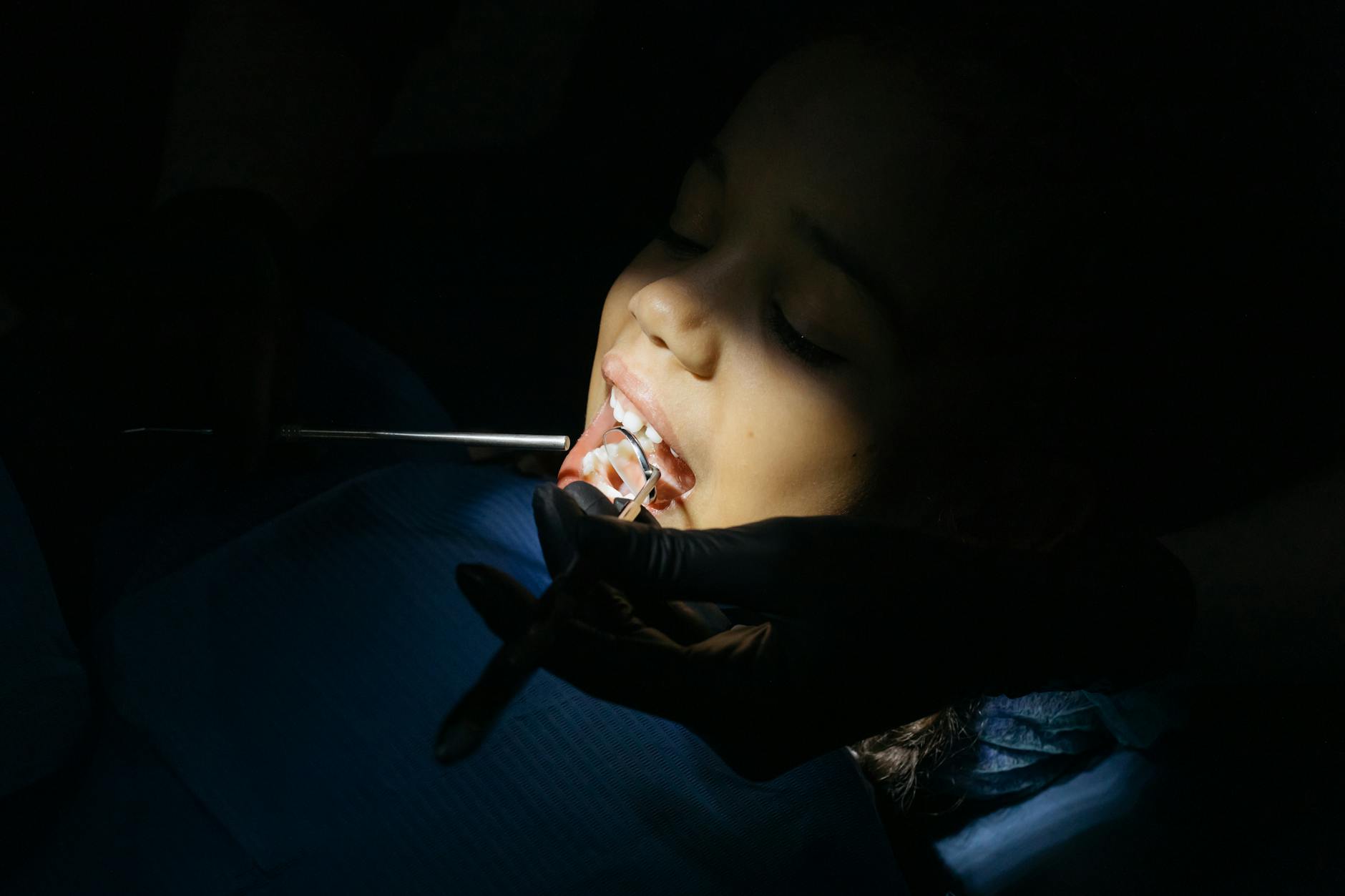
From the tender age of six months when the first tooth emerges, to the joy of welcoming that adorable second set of incisors, each stage of a child's dental development plays a pivotal role in their overall growth. Early tooth emergence is not just a physiological milestone; it significantly impacts a child’s ability to speak, chew, and lay the foundation for a lifetime of good dental habits. The Dental Atelier in Lynnwood, WA, understands these dynamics, and our team is here to support you every step of the way.
This article will cover everything first-time parents need to know about the stages of primary teeth development, offer parent-friendly tips for preventing decay, and emphasize the importance of regular dental visits to monitor and manage your child's dental health. Read on to empower yourself with knowledge and strategies that will safeguard your child's smile for years to come.
Table of Contents
Key Takeaways
| Point | Details |
|---|---|
| Tooth Development Timeline | Tooth development in kids follows a predictable timeline, starting as early as six months of age. |
| Importance of Primary Teeth | Understanding the stages of primary teeth development is crucial for effective pediatric dental care. |
| Impact of Toddler Teeth | Early emergence of toddler teeth can impact speech, chewing, and dental health long term. |
| Preventing Tooth Decay | Parent-friendly strategies exist for preventing tooth decay in young children, ensuring healthy baby teeth. |
| Regular Dental Check-Ups | Regular dental check-ups are essential for monitoring children's dental growth stages and managing potential issues. |
The Baby Teeth Timeline: What to Expect
Understanding the development of primary teeth is essential for parents looking to provide optimal care for their children. The journey from the first gum swelling to the eruption of the last molars is a fascinating and sometimes challenging process. This timeline provides an overview of what to expect as your child's baby teeth, also known as primary teeth, begin to emerge.
Stages of Primary Teeth Development
Baby teeth typically begin to emerge around six months of age, although the timing can vary. Here is a typical timeline for primary teeth development:
- 6-10 months: The lower central incisors are usually the first to appear.
- 8-12 months: The upper central incisors follow soon after.
- 9-13 months: The upper lateral incisors erupt next, completing the frontal smile.
- 10-16 months: The lower lateral incisors make their appearance.
- 13-19 months: First molars often erupt, aiding in chewing.
- 16-22 months: The canines or cuspids start to emerge.
- 25-33 months: Second molars, the last of the baby teeth, come in.
By the age of three, most children have a complete set of 20 primary teeth. According to the American Dental Association, these teeth play a crucial role in speech development, proper chewing, and maintaining space for permanent teeth.
Common Symptoms of Teething
Teething can be an uncomfortable time for both children and parents. Recognizing the common symptoms can help you manage your child's discomfort:
- Gum Swelling and Tenderness: This is often one of the first signs of teething.
- Excessive Drooling: Increased saliva production is common.
- Cheek Rubbing and Ear Pulling: This might occur as gums become more sensitive.
- Irritability: Teething discomfort can lead to irritability or fussiness.
Parents can alleviate teething discomfort by offering chilled teething rings or gently massaging the gums. The Cleveland Clinic recommends these methods as effective ways to soothe a teething baby.
Pro Tip for Patients: To help your child through the teething process, maintain a regular dental check-up schedule. Early visits to The Dental Atelier in Lynnwood can ensure your child's teeth are developing normally, and our team can offer personalized advice to ease the teething journey.
Understanding Pediatric Tooth Eruption and Its Implications
The process of tooth eruption in children is a critical aspect of their development. This natural progression begins with the emergence of primary teeth, commonly known as baby teeth, which typically starts around six months of age and continues until about age three. Understanding the timeline and implications of pediatric tooth eruption can help parents support their children's health and development effectively.
The Timeline of Pediatric Tooth Eruption
Children's dental growth stages are predictable yet unique to each child. On average, the first teeth to erupt are the lower central incisors, followed by the upper central incisors. By the age of three, most children will have a complete set of 20 primary teeth. According to the American Dental Association, primary teeth are essential for maintaining space for permanent teeth, aiding in speech development, and facilitating proper nutrition by enabling chewing (ADA).
Significance of Early Dental Visits
Early dental visits are crucial in ensuring that a child's teeth and gums remain healthy. The American Academy of Pediatric Dentistry recommends that children see a dentist by their first birthday. These visits can help identify potential issues early and establish a dental home for ongoing care. At The Dental Atelier in Lynnwood, we focus on preventive care, which can mitigate future dental problems and familiarize children with the dental care environment.
Impact on Speech and Eating
The development of primary teeth plays a vital role in a child's ability to articulate sounds and words clearly. Teeth are essential for proper pronunciation, as they help form the sounds of speech by controlling airflow and guiding the tongue. Moreover, teeth are critical for chewing, which is important for nutritional intake and digestion. Children with missing or decayed teeth may experience difficulties in these areas, underscoring the importance of maintaining good oral health.
| Stage of Eruption | Teeth Erupted | Benefits |
|---|---|---|
| 6-10 months | Lower central incisors | Initiates chewing |
| 8-12 months | Upper central incisors | Assists in speech development |
| 24-36 months | Complete set of primary teeth | Supports full eating capability |
Pro Tip for Patients: Schedule your child's first dental visit by their first birthday to ensure any dental issues are caught early. This initial visit can also help your child become comfortable with regular dental checkups, which are vital for maintaining oral health as they grow. For more tips, visit our Dental Insights & Tips page.
Caring for Children’s Dental Growth Stages: Tips for Parents
Ensuring proper dental care during the various growth stages of your child's teeth is crucial for their overall oral health. From the first tooth eruption to the development of a full set of primary teeth, understanding and implementing effective dental care strategies can set the foundation for a lifetime of healthy smiles. This section provides practical tips for parents to navigate the journey of tooth development in kids.
Proper Brushing Techniques for Toddlers
Teaching toddlers how to brush their teeth correctly is a vital step in maintaining their oral hygiene. Here are some pointers to ensure effective brushing:
- Use a soft-bristled toothbrush specifically designed for children.
- Apply a pea-sized amount of fluoride toothpaste, which is essential for preventing cavities.
- Guide the toothbrush in gentle, circular motions on all surfaces of the teeth, ensuring to reach the gumline.
- Encourage your child to spit out the toothpaste rather than swallowing it.
It's important to supervise your child's brushing until they can do it independently, usually around the age of six to eight.
The Role of Fluoride and Dietary Considerations
Fluoride plays a significant role in strengthening tooth enamel and preventing tooth decay. According to the American Dental Association, fluoride is safe and effective in reducing cavities by approximately 25% in children (ADA, 2021). Additionally, maintaining a balanced diet is crucial for dental health:
- Limit sugary snacks and beverages that can lead to cavities.
- Encourage consumption of fruits, vegetables, and dairy products to provide essential nutrients.
- Ensure your child drinks plenty of water, preferably fluoridated.
Creating a positive dental routine early on instills good habits. Make brushing a fun activity by playing a two-minute song or using a reward system to encourage your child.
| Aspect | Recommendation | Benefit to Children |
|---|---|---|
| Brushing Technique | Circular motions with a child-size toothbrush | Reduces plaque and prevents cavities |
| Fluoride Use | Pea-sized amount of fluoride toothpaste | Strengthens enamel and reduces decay risk |
| Dietary Habits | Minimize sugar, emphasize fruits and vegetables | Supports overall oral and physical health |
For more detailed dental care strategies, parents can explore Dental Insights & Tips - Articles by Dental Atelier for an array of resources tailored to children's dental health.
Pro Tip for Patients: Start dental visits early to familiarize your child with the dentist and to monitor their dental development. At The Dental Atelier, our team is dedicated to providing compassionate care tailored to the unique needs of children.
Preventing Tooth Decay in Kids: A Parent’s Guide
Ensuring proper tooth development in kids is a critical component of maintaining their overall health. At The Dental Atelier, parents are encouraged to adopt proactive measures to protect their children’s teeth from decay. This guide covers essential strategies such as recognizing early signs of decay, selecting the appropriate toothpaste, moderating sugary food intake, and the significance of regular dental appointments.
Identifying Early Signs of Decay
Recognizing the initial indicators of tooth decay can prevent more serious dental issues. Parents should look for white spots on teeth, which may signal early decay. Other symptoms include sensitivity to cold or sweet foods and visible holes in the teeth. Early detection allows for timely intervention, potentially reversing the decay process and avoiding the need for fillings.
Choosing the Right Toothpaste
When it comes to selecting toothpaste for children, fluoride content is crucial. The American Dental Association recommends using a toothpaste with fluoride for children over the age of two. Fluoride strengthens the enamel, making it more resistant to acid attacks from plaque bacteria and sugars. For toddlers, use a smear of toothpaste; for children ages 3-6, a pea-sized amount is appropriate.
Limiting Sugary Foods and Drinks
Limiting the consumption of sugary foods and drinks is vital for preventing tooth decay. Sugars interact with bacteria in the mouth to form acid, which erodes enamel. To minimize this risk, consider these strategies:
- Encourage water as the primary beverage.
- Offer fruits instead of sugary snacks.
- Limit sweet treats to mealtimes to reduce acid exposure.
Importance of Regular Dental Check-Ups
Routine dental visits are essential for maintaining dental health in children. According to the CDC, regular check-ups allow dentists to monitor the pediatric tooth eruption and catch issues early. The Dental Atelier in Lynnwood emphasizes the importance of these visits, offering a special for new patients to help make dental care more accessible.
| Preventive Measure | Description | Benefit to Children |
|---|---|---|
| Fluoride Toothpaste | Contains fluoride to strengthen enamel | Reduces risk of cavities |
| Regular Dental Check-Ups | Biannual visits to monitor dental health | Early detection of potential issues |
| Limit Sugary Foods | Reduces sugar intake to prevent acid formation | Protects against enamel erosion |
Pro Tip for Patients: Encourage your child to brush twice daily with fluoride toothpaste and make dental visits a fun, positive experience to instill lifelong healthy habits.
Frequently Asked Questions
When do babies start getting their first teeth?
Most babies start teething between 4 to 7 months old, although this can vary. The first teeth to appear are usually the lower central incisors. At The Dental Atelier, your Lynnwood dentist, we emphasize that every child is different, and early or late teething is usually not a cause for concern. If you have questions about your child’s dental development, feel free to reach out to us.
What can I do to relieve my baby's teething discomfort?
Teething can make babies irritable, but there are several ways to soothe their discomfort. At The Dental Atelier, we recommend gently massaging their gums with a clean finger and offering them cool (not frozen) teething rings. Teething gels or medications should only be used after consulting with your pediatrician or dentist in Lynnwood. Our team is always available to offer guidance on safe teething remedies.
How should I care for my baby's new teeth?
As soon as the first teeth erupt, you should begin cleaning them. Use a soft, damp cloth or a small, soft-bristled toothbrush to wipe their teeth twice a day. At The Dental Atelier in Lynnwood, we also recommend visiting us by your child’s first birthday for their initial dental check-up. This helps establish good oral hygiene habits early on.
When should my child have their first dental visit?
The American Academy of Pediatric Dentistry recommends that children have their first dental visit by age one or within six months after their first tooth appears. At The Dental Atelier, your Lynnwood dental practice, we aim to make your child’s first visit a positive experience, setting the stage for a lifetime of good dental health.
Are thumb sucking and pacifier use harmful to teeth development?
Thumb sucking and pacifiers are common habits, usually not causing harm if they stop by age 3. However, prolonged use can affect the alignment of teeth. If you’re concerned about your child’s habits, The Dental Atelier in Lynnwood can provide advice tailored to your child's needs.
How can I prevent cavities in my child's teeth?
Preventing cavities involves regular brushing, a healthy diet, and dental check-ups. Encourage your child to brush twice a day with fluoride toothpaste. Limiting sugary snacks and drinks also helps maintain healthy teeth. Our team at The Dental Atelier in Lynnwood is here to support you with personalized advice and services to keep your child’s smile healthy.
What should I do if my child damages a tooth?
In the case of a damaged tooth, remain calm and contact a Lynnwood dental practice for advice. At The Dental Atelier, we recommend applying a cold compress to reduce swelling and covering sharp edges with dental wax if necessary. We’re here to help during dental emergencies, ensuring your child receives the care they need promptly.

.svg)