
Dental visits can cause real worry for many adults in Lynnwood, especially when past experiences or anxiety make routine care feel overwhelming. Understanding the different sedation types in dentistry gives you control over your comfort and helps you prepare for upcoming treatments. This guide explains how techniques like minimal, moderate, and deep sedation are chosen, what to expect for safety, and how each method fits unique dental needs so you can feel more confident at your next appointment.
Table of Contents
- Defining Sedation Types In Dentistry
- Minimal, Moderate, And Deep Sedation Compared
- How Sedation Methods Are Administered
- Safety, Risks, And Recovery Expectations
- Costs, Insurance, And Choosing What’s Best
Key Takeaways
| Point | Details |
|---|---|
| Types of Sedation | There are four main types of dental sedation: Minimal, Moderate, Deep, and General Anesthesia, each corresponding to different levels of patient consciousness and anxiety needs. |
| Administration Methods | Sedation can be administered through various methods, including inhalation, oral, intravenous, and intramuscular, with each technique having its own advantages and potential drawbacks. |
| Safety Protocols | Comprehensive safety measures, including patient evaluations and monitoring, are essential to mitigate risks during sedation procedures. |
| Cost Considerations | The cost of sedation varies significantly, and patients should verify insurance coverage and understand pricing for different sedation types before their procedures. |
Defining Sedation Types in Dentistry
Dental sedation represents a sophisticated approach to managing patient anxiety and discomfort during dental procedures. Designed to help patients feel relaxed and comfortable, sedation offers multiple techniques tailored to individual patient needs and procedure complexity.
Pharmacologic sedation primarily aims to reduce anxiety reflexes through carefully administered medications. Conscious sedation techniques allow dentists to manage patient anxiety without resorting to general anesthesia, providing a nuanced middle ground between full alertness and complete unconsciousness.
The primary sedation types in modern dentistry include:
- Minimal Sedation: Patient remains awake but relaxed
- Moderate Sedation: Patient is conscious but may slur speech and not remember much of the procedure
- Deep Sedation: Patient is on the edge of consciousness but can be awakened
- General Anesthesia: Patient is completely unconscious
Each sedation method requires specialized training and precise medication management. International dental guidelines mandate specific educational requirements for dentists administering pharmacologic sedation, ensuring patient safety remains the primary consideration.

Pro tip: Always discuss your medical history, current medications, and anxiety levels comprehensively with your dentist to determine the most appropriate sedation approach for your specific needs.
Minimal, Moderate, and Deep Sedation Compared
Dental sedation is a nuanced approach to managing patient comfort during dental procedures, characterized by progressive levels of consciousness depression. These levels range from minimal sedation, where patients remain fully aware, to deep sedation, which approaches near-unconsciousness, each designed to address specific patient needs and procedure complexities.
Minimal Sedation represents the lightest level of sedative intervention:
- Patients remain fully awake and responsive
- Anxiety is reduced without significant cognitive impairment
- Typically administered using nitrous oxide (laughing gas)
- Ideal for patients with mild anxiety or simple procedures
Moderate Sedation creates a deeper state of relaxation:
- Patients are drowsy but can respond to verbal commands
- Memory of the procedure may be limited
- Can be administered orally or intravenously
- Suitable for more complex procedures or higher anxiety levels
Deep Sedation represents the most intensive sedation approach:
Here’s a concise comparison of dental sedation types and their ideal patient use:
| Sedation Type | Level of Consciousness | Typical Patient Profile | Monitoring Requirement |
|---|---|---|---|
| Minimal | Fully awake and relaxed | Mild anxiety, routine care | Standard dental monitoring |
| Moderate | Drowsy, responds to voice | Moderate anxiety, complex cases | Frequent monitoring needed |
| Deep | Near-unconscious, roused by stimulation | Severe anxiety, extensive procedures | Continuous, advanced monitoring |
| General Anesthesia | Completely unconscious | Surgical cases, special needs | Hospital-grade supervision |
- Patient is near-unconscious, responding only to painful stimulation
- Requires extensive monitoring and specialized medical expertise
- Used for extensive dental treatments or extremely anxious patients
- Involves greater medical risks and more comprehensive intervention
Each sedation level demands specific training, permits, and careful patient assessment to ensure safety and effectiveness.
Pro tip: Discuss your complete medical history, current medications, and specific anxiety levels comprehensively with your dentist to determine the most appropriate and safest sedation approach for your individual needs.
How Sedation Methods Are Administered
Dental sedation offers multiple administration routes, each tailored to patient needs and procedure complexity. Methods of dental sedation can vary widely, providing flexible options for patients with different comfort levels and medical considerations.
Administration Methods include:
- Inhalation Sedation: Uses nitrous oxide (laughing gas)
- Administered through a mask placed over the nose
- Quick onset and quick recovery
- Patient remains conscious and responsive
- Oral Sedation: Taken in pill or liquid form
- Typically benzodiazepines prescribed before the procedure
- Varying levels from mild to moderate relaxation
- Requires patient to arrange transportation
- Intravenous (IV) Sedation: Delivered directly into bloodstream
- Fastest and most controllable sedation method
- Allows immediate adjustment of sedation levels
- Requires specialized medical training to administer
- Intramuscular Injection: Less common method
- Medication injected into muscle tissue
- Slower absorption compared to IV sedation
- Used in specific clinical scenarios
Proper sedation administration requires extensive training, precise dosage calculation, and continuous patient monitoring.
Each method involves careful patient assessment, considering factors like medical history, anxiety levels, procedure complexity, and individual physiological responses. Professional dental practitioners evaluate these variables to recommend the most appropriate sedation technique.

Below is a summary of sedation administration methods with their pros and cons:
| Method | Advantages | Possible Drawbacks |
|---|---|---|
| Inhalation (Gas) | Fast onset, quick recovery | Less effective for severe anxiety |
| Oral (Pills) | Easy administration, convenient | Slower onset, prolonged after-effects |
| Intravenous (IV) | Immediate effect, easily adjustable | Requires IV access, higher complexity |
| Intramuscular (IM) | Option for non-IV patients | Slower, less precise control |
Pro tip: Always provide your complete medical history and current medication list to your dentist, allowing them to select the safest and most effective sedation method for your specific needs.
Safety, Risks, and Recovery Expectations
Dental sedation requires comprehensive safety protocols to minimize potential risks and ensure patient well-being. Standards for conscious sedation emphasize a multidisciplinary approach that prioritizes patient safety through careful assessment, monitoring, and emergency preparedness.
Primary Safety Considerations include:
- Pre-sedation medical history evaluation
- Comprehensive patient health screening
- Informed consent documentation
- Continuous vital signs monitoring
- Emergency equipment and medication readiness
- Trained medical personnel on-site
- Post-procedure recovery observation
Potential Risks that practitioners carefully manage:
- Respiratory depression
- Cardiovascular complications
- Allergic reactions
- Medication interactions
- Temporary cognitive impairment
- Blood pressure fluctuations
- Potential anesthesia-related complications
Successful sedation management requires rigorous training, precise medical protocols, and unwavering commitment to patient safety.
Recovery expectations vary depending on sedation type, with patients typically requiring supervised monitoring until they regain full consciousness and demonstrate stable vital signs. Professional dental teams develop individualized recovery plans, considering factors like sedation depth, patient age, overall health, and specific procedure requirements.
Pro tip: Always arrange for a responsible adult to accompany you and provide transportation after sedation, as you may experience temporary drowsiness and reduced cognitive function.
Costs, Insurance, and Choosing What’s Best
Dental sedation costs can vary significantly, with sedation pricing influenced by multiple factors. Understanding these expenses helps patients make informed financial decisions about their dental care.
Sedation Cost Breakdown:
- Nitrous Oxide (Laughing Gas)
- Typically ranges from $125 to $200 per session
- Shortest duration and lowest complexity
- Often most affordable option
- Oral Sedation
- Costs between $400 to $600 per session
- Includes medication and professional monitoring
- Suitable for moderate anxiety levels
- IV Sedation
- Highest cost range: $1,500 to $3,000
- Most complex and intensive sedation method
- Includes advanced medical supervision
Insurance Considerations:
- Most standard insurance plans do NOT cover sedation routinely
- Coverage typically limited to medically necessary procedures
- Pre-authorization often required
- Specific conditions might qualify for partial reimbursement
Patients should always verify their specific insurance benefits and discuss potential coverage with their dental provider.
Choosing the Best Option involves evaluating personal factors such as:
- Anxiety levels
- Medical history
- Procedure complexity
- Financial resources
- Personal comfort with different sedation methods
Pro tip: Request a detailed cost estimate and explore flexible payment plans or dental membership programs to make sedation more financially accessible.
Experience Comfortable and Safe Dental Sedation at DentalAteliers.com
Understanding the different sedation types explained in this article can help ease your anxiety about dental treatments. Whether you are dealing with mild nerves or require deep sedation for complex procedures, managing your comfort and safety is crucial. At DentalAteliers.com, Dr. Kunal Narang and his expert team specialize in personalized sedation care tailored to your medical history and treatment needs to ensure your appointment is as calm and stress-free as possible.
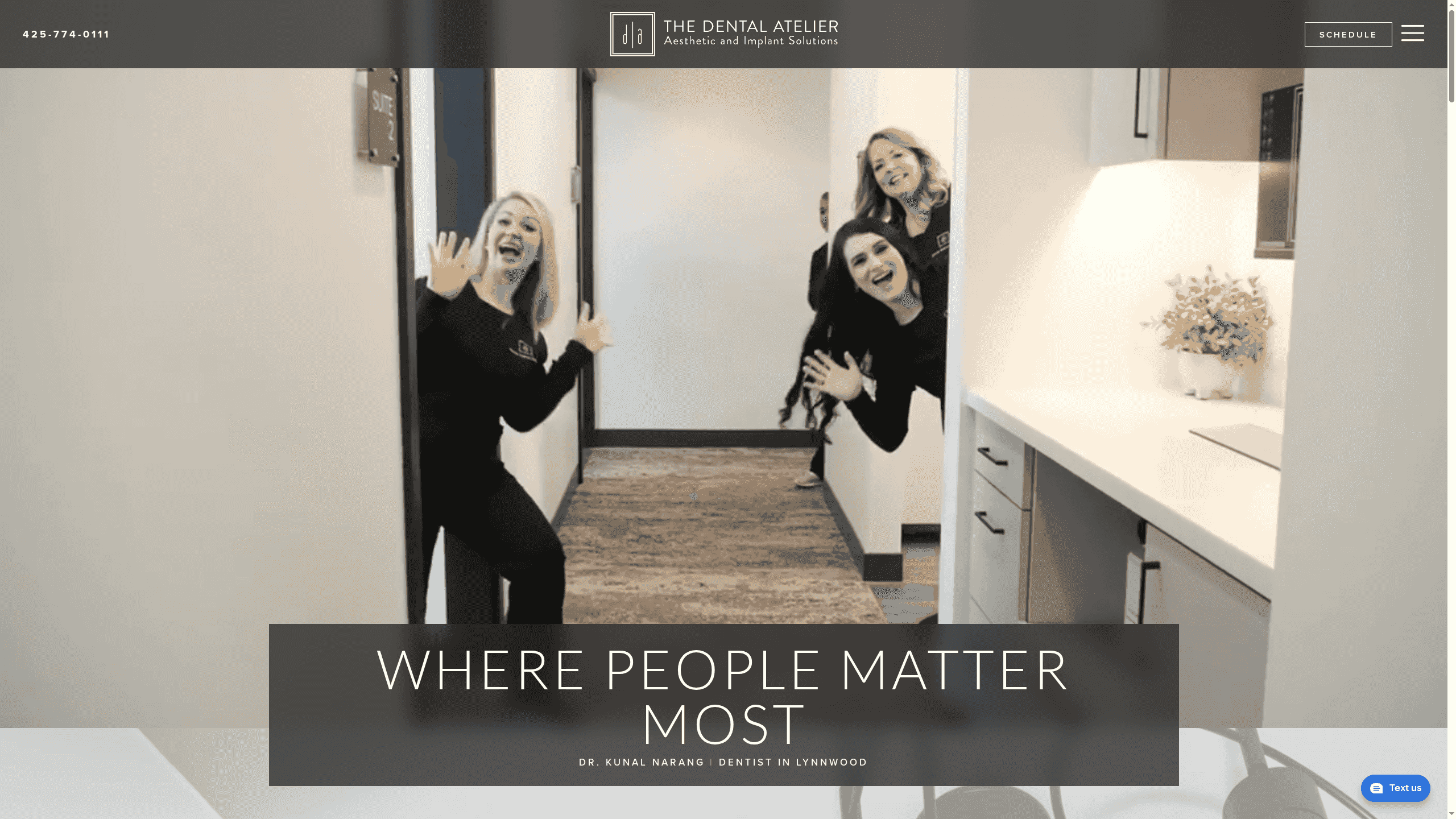
Don’t let fear or uncertainty delay the dental care you deserve. Explore our comprehensive services including sedation options, implant dentistry, and cosmetic treatments on the DentalAteliers.com website. Schedule your consultation today and take the first step toward a confident and relaxed dental experience with our welcoming team in Lynnwood, WA. Your safest dental journey starts here.
Frequently Asked Questions
What are the main types of dental sedation?
The primary types of dental sedation include minimal sedation, moderate sedation, deep sedation, and general anesthesia, each varying in the level of consciousness and response of the patient during procedures.
How is minimal sedation different from moderate sedation?
Minimal sedation allows patients to remain fully awake and responsive with reduced anxiety, while moderate sedation may cause drowsiness and limited memory of the procedure, though patients can still respond to verbal commands.
What should I discuss with my dentist before undergoing sedation?
It is essential to provide your complete medical history, current medications, and specific anxiety levels to your dentist, enabling them to choose the safest and most effective sedation method for your needs.
What are the potential risks associated with dental sedation?
Potential risks include respiratory depression, cardiovascular complications, allergic reactions, temporary cognitive impairment, and blood pressure fluctuations, which require careful management by trained dental professionals.

.svg)