
Most American adults are surprised to learn that over 60 percent of emergency dental cases could have been prevented with earlier treatment. Misunderstandings about what counts as a true dental emergency leave many people unsure when to seek urgent care. Knowing the real signs, common myths, and what happens during an emergency dental visit can help protect both your health and your wallet.
Table of Contents
- Defining Emergency Dental Visits And Common Myths
- Types Of Dental Emergencies Treated
- Step-By-Step Emergency Visit Process
- Patient Comfort Features And Sedation Options
- Costs, Insurance, And Membership Plans Explained
Key Takeaways
| Point | Details |
|---|---|
| Understanding Dental Emergencies | Dental emergencies require immediate care to prevent long-term damage; common cases include severe pain, bleeding, and infections. |
| Common Myths | Misconceptions like delaying treatment or assuming conditions will heal on their own can lead to serious health risks. |
| Emergency Visit Process | A structured intake and assessment process ensures timely diagnosis and intervention during dental emergencies. |
| Financial Considerations | Patients should be aware of various financial options, including insurance coverage and membership plans, to manage unexpected dental costs. |
Defining Emergency Dental Visits and Common Myths
Dental emergencies are acute conditions requiring immediate professional intervention to prevent long-term complications or permanent damage. These situations go beyond routine checkups and demand urgent medical attention. Most people misunderstand what constitutes a true dental emergency, often delaying critical treatment that could save a tooth or prevent significant health risks.
Common dental emergencies include severe tooth pain, uncontrolled bleeding, knocked-out teeth, serious infections, and traumatic oral injuries. Specialized emergency dental research indicates that timely intervention can dramatically reduce potential long-term complications. Patients frequently mistake minor discomfort for emergency conditions, while simultaneously overlooking genuinely urgent situations that demand immediate professional care.
Key Characteristics of True Dental Emergencies:
- Uncontrolled bleeding from the mouth
- Severe, persistent tooth or gum pain
- Swelling in the face or jaw indicating potential infection
- Traumatic tooth damage from accidents
- Dental abscesses with significant inflammation
Many patients harbor misconceptions about dental emergencies that can compromise their oral health. Myths like “I can wait until morning” or “It will heal on its own” can lead to serious consequences. Dental professionals recommend seeking immediate care when experiencing intense pain, significant swelling, or potential tooth loss. Understanding the difference between routine dental issues and genuine emergencies can prevent unnecessary suffering and potential permanent damage.
Prevention remains the most effective strategy. Regular dental checkups, proper oral hygiene, and using protective gear during sports can significantly reduce the likelihood of emergency dental situations. Patients should maintain an emergency contact for their dental provider and understand basic first aid for oral injuries to minimize potential long-term complications.
Types of Dental Emergencies Treated
Dental professionals encounter a wide range of urgent medical conditions that require immediate intervention and specialized care. Medical emergency protocols in dental clinics emphasize the critical importance of systematic response strategies for various acute oral health situations. Understanding these emergencies helps patients recognize when professional treatment is necessary and can potentially prevent long-term complications.
Primary Categories of Dental Emergencies:
- Traumatic Dental Injuries
- Acute Infections
- Severe Pain Conditions
- Uncontrolled Bleeding
- Dental Structural Failures
Traumatic dental injuries represent a significant portion of emergency treatments. These include knocked-out teeth, fractured teeth, and soft tissue injuries resulting from accidents, sports impacts, or unexpected physical trauma. Such incidents demand rapid professional assessment to maximize the potential for tooth preservation and minimize long-term damage. Comprehensive dental emergency research indicates that prompt intervention within the first hour can dramatically improve treatment outcomes.
Infectious conditions constitute another critical category of dental emergencies. Dental abscesses, severe gum infections, and rapidly spreading oral infections require immediate professional intervention. These conditions can escalate quickly, potentially causing systemic health risks if left untreated. Symptoms like intense pain, facial swelling, fever, and persistent oral inflammation signal the need for urgent dental care.

Some emergencies involve complex structural dental failures that compromise oral functionality. Broken dental prosthetics, severely damaged crowns, lost fillings, and advanced tooth decay can create immediate treatment needs. Patients experiencing significant pain, compromised bite alignment, or exposed tooth nerves should seek immediate professional evaluation. Overnight emergency treatment strategies can provide temporary relief, but professional assessment remains crucial for comprehensive resolution.
Step-By-Step Emergency Visit Process
Medical emergency management in dental settings requires a systematic and precise approach to ensure patient safety and optimal treatment outcomes. When patients arrive with urgent dental conditions, a structured process helps healthcare providers quickly assess, stabilize, and address critical oral health issues. Understanding this process can help reduce patient anxiety and ensure more efficient emergency care.
Initial Emergency Visit Steps:
- Patient Intake and Preliminary Assessment
- Detailed Medical History Review
- Immediate Symptom Evaluation
- Diagnostic Imaging
- Treatment Planning
- Intervention and Stabilization
The first critical phase involves a comprehensive intake process. Dental professionals conduct a rapid yet thorough emergency preparedness assessment that examines the patient’s immediate symptoms, pain levels, and potential risk factors. This initial evaluation helps determine the urgency of treatment and guides the subsequent medical intervention. Clinicians use standardized protocols to quickly categorize the emergency and prioritize patient care.
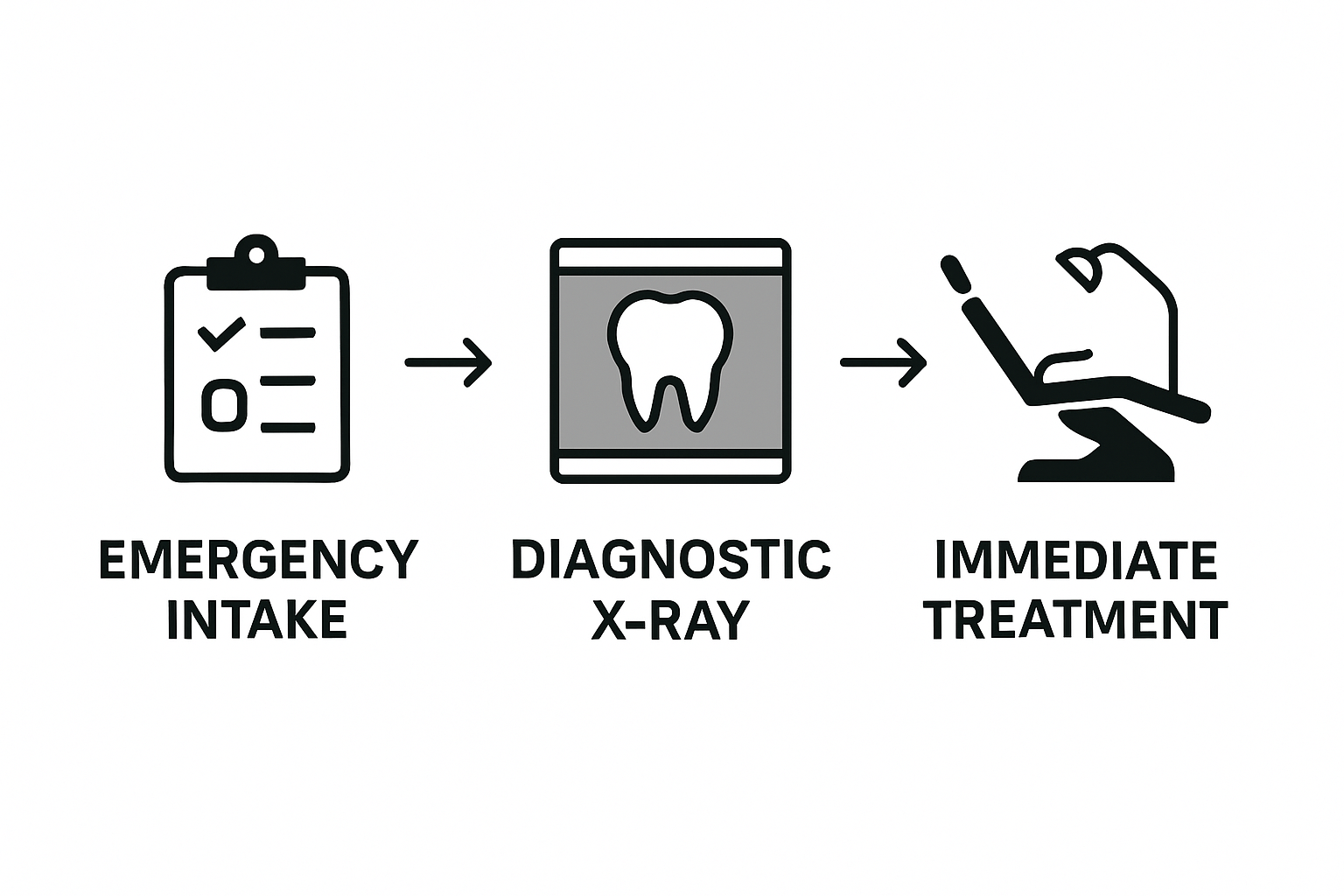
Diagnostic procedures form the next crucial stage of the emergency visit. Advanced imaging techniques like digital X-rays allow immediate visualization of underlying dental structures, helping professionals identify fractures, infections, or hidden complications. Precise diagnostic imaging enables targeted treatment strategies that address the root cause of the dental emergency with minimal invasive procedures.
The final stage focuses on immediate intervention and patient stabilization. Depending on the specific emergency, treatments may range from pain management and temporary repairs to more complex surgical interventions. Emergency dental care guidelines emphasize the importance of not just treating the immediate issue but also developing a comprehensive follow-up plan to ensure long-term oral health and prevent future complications.
Patient Comfort Features and Sedation Options
Medical emergency preparedness in dental settings extends beyond clinical protocols to encompass comprehensive patient comfort strategies. Understanding that dental emergencies can trigger significant anxiety, modern practices prioritize creating supportive environments that help patients feel safe, relaxed, and well-supported during potentially stressful medical interventions.
Patient Comfort Features Include:
- Noise-canceling headphones
- Comfortable treatment chairs
- Soft blankets and warm environments
- Calming visual displays
- Gentle communication techniques
- Personal media entertainment options
Sedation represents a critical component in managing patient comfort and reducing procedural stress. Comprehensive dental emergency research highlights multiple sedation approaches tailored to individual patient needs and medical histories. Sedation levels range from minimal relaxation to deep unconsciousness, allowing healthcare providers to customize interventions based on patient anxiety, procedure complexity, and specific medical requirements.
Patients can choose from several sedation options depending on their comfort level and medical circumstances. Sedation dentistry approaches typically include nitrous oxide (laughing gas), oral conscious sedation, and intravenous sedation. Each method offers unique benefits for managing anxiety, pain perception, and overall treatment experience. Dental professionals carefully evaluate individual patient profiles to recommend the most appropriate sedation strategy, ensuring both medical safety and optimal comfort during emergency procedures.
Beyond pharmaceutical interventions, modern dental practices incorporate holistic comfort strategies. These include creating calming visual environments, using gentle communication techniques, and providing personalized support throughout the emergency treatment process. The goal extends beyond medical intervention to creating a compassionate, understanding experience that helps patients feel respected, heard, and cared for during potentially vulnerable medical moments.
Costs, Insurance, and Membership Plans Explained
Emergency dental care utilization research reveals complex financial considerations for patients seeking urgent dental treatments. Understanding the intricate landscape of dental costs, insurance coverage, and alternative payment options becomes crucial for patients navigating unexpected oral health challenges. Emergency dental services often involve unpredictable expenses that can create significant financial stress without proper planning or coverage.
Dental Financial Options Overview:
- Private Dental Insurance
- Membership Plans
- Sliding Scale Payment Options
- Health Savings Account (HSA) Compatibility
- Extended Payment Arrangements
- Financing Programs
Private dental insurance typically provides partial coverage for emergency procedures, though limitations and exclusions can vary significantly. Dental insurance terminology often includes complex clauses that patients must carefully understand. Most insurance plans categorize emergency treatments differently, with some covering immediate interventions while excluding certain procedural components. Patients should meticulously review their specific policy details to understand potential out-of-pocket expenses.
Dental membership plans offer an alternative financial approach for patients seeking predictable and comprehensive care. Membership programs provide structured pricing, discounted services, and often include emergency treatment provisions at more affordable rates. These plans eliminate traditional insurance complexities, offering transparent pricing and potentially lower overall healthcare costs. Unlike traditional insurance, membership plans frequently include preventative care, routine check-ups, and reduced rates for urgent treatments.
Financial flexibility remains paramount in emergency dental scenarios. Modern dental practices understand the potential financial burden and offer multiple payment strategies. These include sliding scale fees based on income, extended payment arrangements, and compatibility with health savings accounts. The goal is to ensure patients receive necessary emergency treatments without experiencing overwhelming financial stress, ultimately prioritizing their oral health and overall well-being.
Be Prepared for Your Emergency Dental Visit with Confidence
Facing a dental emergency can be overwhelming, especially when severe pain or trauma demands immediate action. The article highlights the importance of a clear, step-by-step emergency visit process including rapid assessment, diagnostic imaging, and prompt treatment planning. If you worry about uncontrolled bleeding, intense pain, or sudden tooth injury you are not alone. Many patients hesitate or delay seeking care, risking serious complications.
At DentalAteliers.com, we understand these challenges and provide a patient-centered approach designed to put you at ease during urgent dental visits. Our Lynnwood practice offers a comforting environment with amenities like noise-canceling headphones and calming visuals. We also tailor sedation options to suit your anxiety levels while ensuring expert emergency care. Knowing what to expect can reduce stress and help you secure immediate, effective treatment to protect your oral health.

Don’t wait until morning if you experience a dental emergency. Take control of your oral health now by visiting DentalAteliers.com to learn more about our emergency dental services and schedule your visit today. Your peace of mind and smile deserve prompt, professional attention.
Frequently Asked Questions
What should I expect during an emergency dental visit?
Patients can expect a structured process that includes patient intake, medical history review, symptom evaluation, diagnostic imaging, treatment planning, and immediate intervention. This systematized approach helps ensure optimal care and patient safety.
How quickly do I need to seek care for a dental emergency?
It is crucial to seek care as soon as possible, ideally within the first hour of a dental emergency. Timely intervention can significantly improve treatment outcomes and help prevent long-term complications.
What types of conditions are considered dental emergencies?
Dental emergencies typically include severe tooth pain, uncontrolled bleeding, traumatic injuries (like knocked-out teeth), infections, and dental abscesses. Recognizing these conditions can help you determine when to seek immediate care.
Are sedation options available during emergency dental procedures?
Yes, dental practices often provide various sedation options to help manage patient anxiety and discomfort during emergency procedures. Common sedation methods include nitrous oxide, oral conscious sedation, and intravenous sedation.
Recommended
- 7 Essential Tips for a Comfortable First Dental Visit | The Dental Atelier
- Dental Emergencies and COVID-19 Guidelines | Dental Atelier | The Dental Atelier
- 7 Common Dental Procedures Everyone Should Know About | The Dental Atelier
- Use Your Dental Benefits Before Year-End | Dental Atelier | The Dental Atelier

.svg)