
Feeling uncertain about dental implant aftercare is common for many in Lynnwood, especially when healing and long-term results matter most. The way you care for your implant directly affects how well it fuses with your jawbone and its overall lifespan. This guide offers practical steps for proper aftercare so you can ease post-surgery worries, protect your investment, and keep your new smile healthy for years to come.
Table of Contents
- What Dental Implant Aftercare Involves
- Types of Dental Implants and Recovery Needs
- Essential Cleaning and Oral Hygiene Routines
- Dietary Guidelines for Optimal Healing
- Risks, Warning Signs, and When to Call Your Dentist
Key Takeaways
| Point | Details |
|---|---|
| Thorough Aftercare is Essential | Meticulous attention to healing and maintenance ensures the long-term success of dental implants. Follow healing protocols to support optimal bone integration. |
| Different Implant Types Require Unique Care | Various implant types, such as endosteal and subperiosteal, have distinct recovery needs. Consult with your dental professional to identify the best option for you. |
| Implement a Specialized Cleaning Routine | Use soft-bristled toothbrushes and specialized tools to maintain oral hygiene around implants. Regular dental check-ups are crucial for monitoring implant health. |
| Recognize Warning Signs Early | Be vigilant for symptoms like persistent pain or swelling, which may indicate complications. Contact your dentist promptly if you observe concerning changes. |
What Dental Implant Aftercare Involves
Dental implant aftercare represents a critical phase in ensuring the long-term success of your tooth replacement procedure. The process requires meticulous attention to healing, maintenance, and prevention of potential complications. Proper aftercare involves multiple strategic steps designed to help your implant integrate seamlessly and function like a natural tooth.
The initial healing phase focuses on protecting the surgical site and supporting optimal bone integration. Careful healing protocols recommend avoiding mechanical stress, maintaining excellent oral hygiene, and following specific dietary guidelines. Patients must minimize activities that could disrupt the delicate healing process, such as smoking, consuming hard foods, or applying excessive pressure to the implant area.
Effective implant aftercare also involves regular professional monitoring and personal maintenance routines. This includes scheduling follow-up appointments, practicing thorough but gentle cleaning techniques, and watching for potential signs of infection or improper healing. Implant placement protocols emphasize the importance of gradual loading and careful management during the osseointegration period, which can take several months.
Pro tip: Invest in a soft-bristled toothbrush and non-abrasive toothpaste specifically recommended by your dental professional to protect your new implant during the critical healing stages.
Types of Dental Implants and Recovery Needs
Dental implants represent a sophisticated solution for tooth replacement, with multiple types designed to address different patient needs and anatomical conditions. Dental implant varieties primarily include endosteal implants placed directly into the jawbone and subperiosteal implants positioned on top of the bone beneath the gum tissue. Each type requires a unique approach to surgical placement and subsequent recovery management.
Patients can choose from several implant configurations based on their specific dental requirements. Single tooth implants work well for individual tooth replacement, while multiple tooth implants can restore several missing teeth in a specific area. Full-mouth implant solutions provide comprehensive restoration for patients with extensive tooth loss. Specialized implant procedures might involve additional techniques like sinus augmentation or ridge expansion to ensure optimal implant stability and successful integration.
Recovery needs vary significantly depending on the implant type, patient’s bone density, overall health status, and the complexity of the surgical procedure. Some patients may require preliminary bone grafting, which can extend the total healing timeline. The osseointegration process typically spans several months, during which patients must follow strict aftercare protocols to promote proper healing and minimize potential complications.
Here’s a comparison of the main types of dental implants and their unique recovery needs:
| Implant Type | Placement Method | Typical Recovery Needs |
|---|---|---|
| Endosteal Implant | In the jawbone | Standard healing, longer time |
| Subperiosteal Implant | On or above jawbone under gums | Shorter healing, special cases |
| Single Tooth Implant | Replaces one tooth | Focused care, local healing |
| Multiple Tooth Implant | Replaces several adjacent teeth | Extended site management |
| Full-Mouth Implant | Restores all teeth | Complex, multi-stage recovery |
Pro tip: Discuss your specific medical history and bone density with your dental professional to determine the most appropriate implant type and personalized recovery strategy.
Essential Cleaning and Oral Hygiene Routines
Dental implant maintenance requires a meticulous and specialized approach to oral hygiene that goes beyond traditional tooth care. Effective oral hygiene techniques demand careful attention to the unique characteristics of implanted teeth, using specific tools and methods designed to protect the delicate surgical site and surrounding tissues. Patients must adopt gentle yet thorough cleaning practices that prevent plaque buildup without causing damage to the implant or surrounding gum tissue.
The cleaning routine for dental implants involves selecting specialized tools tailored to implant care. Soft-bristled toothbrushes, non-abrasive toothpaste, and specific interdental cleaning instruments are crucial for maintaining optimal oral health. Oral irrigators and specialized flossing techniques can help clean hard-to-reach areas around the implant, reducing the risk of bacterial accumulation. Professional maintenance strategies recommend periodic professional cleanings to assess tissue health, monitor implant stability, and address any potential issues before they become significant problems.
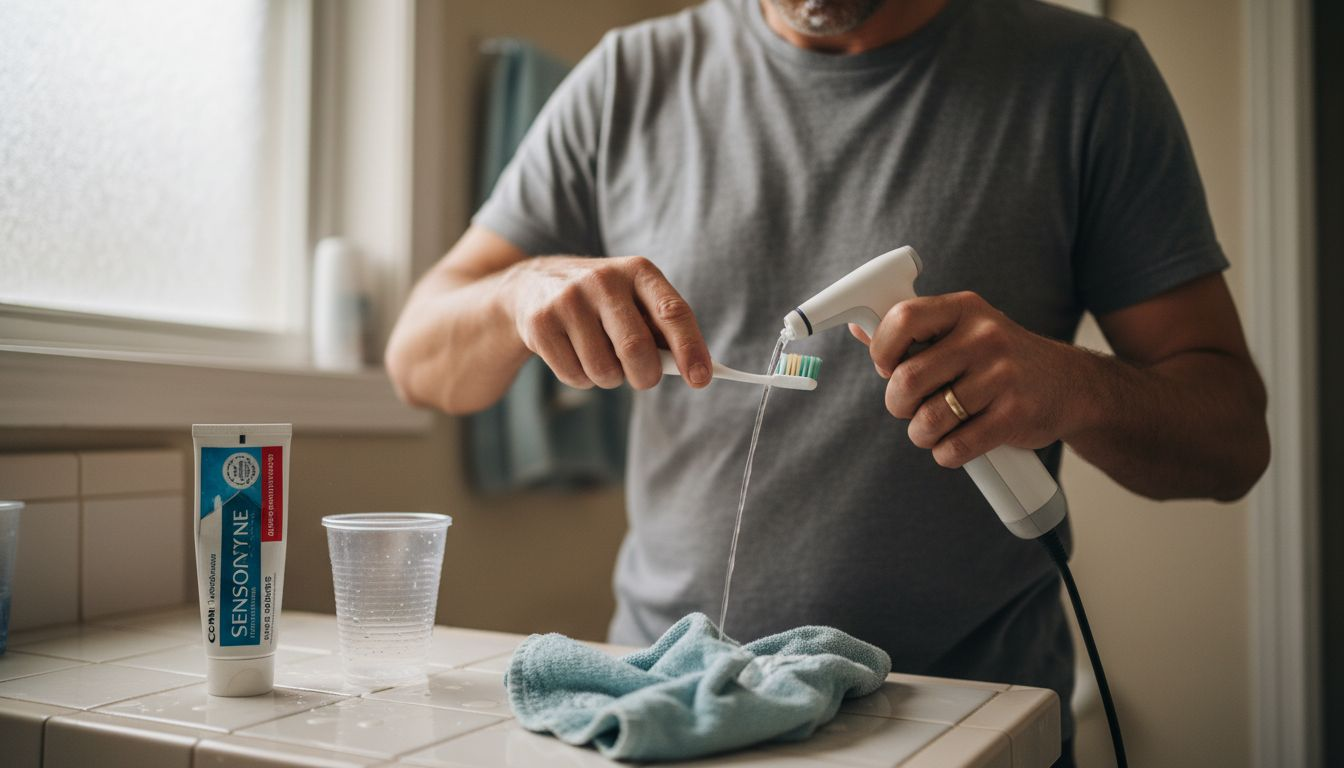
Patients should develop a comprehensive cleaning routine that includes multiple steps: gentle brushing at least twice daily, careful flossing or use of interdental brushes, and consistent use of an oral irrigator. The technique is as important as the tools used – soft, circular motions and careful attention to the implant area help prevent inflammation and protect the delicate soft tissues surrounding the implant. Regular dental check-ups allow professionals to perform detailed assessments and provide personalized guidance on maintaining optimal implant health.
Pro tip: Invest in a water flosser with a specialized implant cleaning tip to ensure thorough cleaning of hard-to-reach areas around your dental implants.
Dietary Guidelines for Optimal Healing
Nutritional strategies for dental implant recovery play a critical role in supporting healing and preventing potential complications. The immediate post-surgical period requires careful dietary modifications to protect the delicate surgical site and promote optimal tissue regeneration. Patients must focus on consuming soft, nutrient-dense foods that provide essential healing support without creating mechanical stress or risk of infection.

In the first few weeks after implant surgery, patients should prioritize foods that are gentle on the surgical area. Recommended options include smooth yogurt, protein-rich smoothies, pureed vegetables, mashed potatoes, scrambled eggs, and lukewarm soups. These foods provide essential nutrients while minimizing the risk of disrupting the healing process. Dental implant recovery diets emphasize avoiding hot temperatures, crunchy textures, and foods that require significant chewing to prevent potential damage to the implant site.
Hydration plays a crucial role in the healing process, but patients must be cautious about their drinking methods. Drinking directly from glasses or cups is recommended, while straws should be strictly avoided during the initial healing period. This precaution helps prevent potential complications like dislodging blood clots or creating suction pressure that could compromise the surgical site. Nutrient-rich foods containing vitamins A, C, and E, along with adequate protein intake, can significantly support tissue repair and boost the body’s natural healing mechanisms.
Pro tip: Prepare soft, nutritious meal portions in advance to ensure consistent, healing-friendly nutrition during your recovery period.
Risks, Warning Signs, and When to Call Your Dentist
Dental implant risks and warning signs represent critical aspects of patient care that require immediate attention and proactive monitoring. Understanding the potential complications associated with dental implants helps patients recognize when professional intervention becomes necessary. While most implant procedures are successful, patients must remain vigilant about their healing process and potential signs of complications.
Several key warning signs demand immediate dental consultation. These include persistent or increasing pain around the implant site, unusual swelling, unexpected bleeding, visible gum inflammation, and any sensation of implant looseness. Patients should pay close attention to changes in the implant area, such as redness, tenderness, or discharge, which could indicate an underlying infection or integration problem. Peri-implant disease recognition is particularly important, as early detection can prevent more serious complications that might compromise the entire implant.
Some specific scenarios absolutely require prompt dental intervention. Sudden implant mobility, significant pain unresponsive to standard pain management, signs of infection like fever or pus discharge, and any trauma to the implant area warrant immediate professional assessment. Patients should not hesitate or attempt to diagnose issues independently but instead contact their dental professional quickly when experiencing unusual symptoms. The timeframe for intervention can significantly impact the potential for successful treatment and implant preservation.
The table below summarizes how common warning signs relate to possible implant complications:
| Symptom Observed | Possible Issue | Recommended Action |
|---|---|---|
| Persistent pain | Impaired healing or infection | Contact dentist promptly |
| Swelling or redness | Local inflammation | Seek evaluation |
| Implant feels loose | Failed integration | Immediate dental visit |
| Gum discharge | Infection developing | Urgent professional review |
| Unexpected bleeding | Surgical site problem | Notify dental provider soon |
Pro tip: Keep a detailed post-surgical journal documenting your healing progress, which can provide valuable information to your dentist if unexpected symptoms arise.
Ensure Long-Lasting Success With Expert Dental Implant Aftercare
Understanding the importance of meticulous dental implant aftercare is essential to protect your investment and enjoy lasting results. From managing healing phases to following tailored oral hygiene routines and dietary guidelines the pathway to a healthy implant can feel overwhelming. You might be concerned about risks such as infection or implant failure and need professional support to navigate these challenges confidently.
At DentalAteliers, Dr. Kunal Narang and his skilled team specialize in personalized implant dentistry that emphasizes patient comfort and expert care. We provide comprehensive guidance on implant placement and recovery along with advanced solutions tailored to your unique needs. Our warm, welcoming office environment is designed to ease anxiety and ensure your healing is closely monitored for optimal outcomes.
Discover how our modern techniques and patient-focused approach can make your implant journey smoother and more successful.

Take the next step toward lasting dental health by scheduling your consultation today. Visit DentalAteliers.com to learn more about our implant services and book your appointment with Dr. Narang. Your confident smile and comfortable recovery start here.
Frequently Asked Questions
What are the key steps for dental implant aftercare?
Key steps in dental implant aftercare include protecting the surgical site, maintaining excellent oral hygiene, and adhering to dietary guidelines. It’s essential to avoid mechanical stress on the implant and follow your dentist’s recommendations for proper cleaning and monitoring.
How can I ensure my dental implants heal properly?
To ensure proper healing of your dental implants, minimize activities that could disrupt the healing site, such as smoking and consuming hard foods. Regular follow-up appointments and personalized cleaning techniques are vital during the healing phase.
What dietary changes should I make after getting dental implants?
After dental implant surgery, you should consume soft, nutrient-dense foods that don’t require much chewing, such as smoothies, mashed potatoes, and lukewarm soups. Avoid hot, crunchy, or hard foods that could stress the surgical site.
What signs indicate a potential problem with my dental implants?
Potential warning signs of issues with dental implants include persistent pain, unusual swelling, visible gum inflammation, or a loose implant. If you notice any of these symptoms, consult your dentist promptly to prevent complications.

.svg)