
Did you know that dental implants boast a remarkable success rate of 90-95% over a span of 10 years? At Vacaville Aesthetic Dentistry & Implants, we're excited to explore the factors that contribute to the long-lasting nature of dental implants. If you're considering this transformative option for tooth replacement, you might be wondering just how long do dental implants last. Understanding the longevity of dental implants can help you make an informed decision about your dental health and investment.
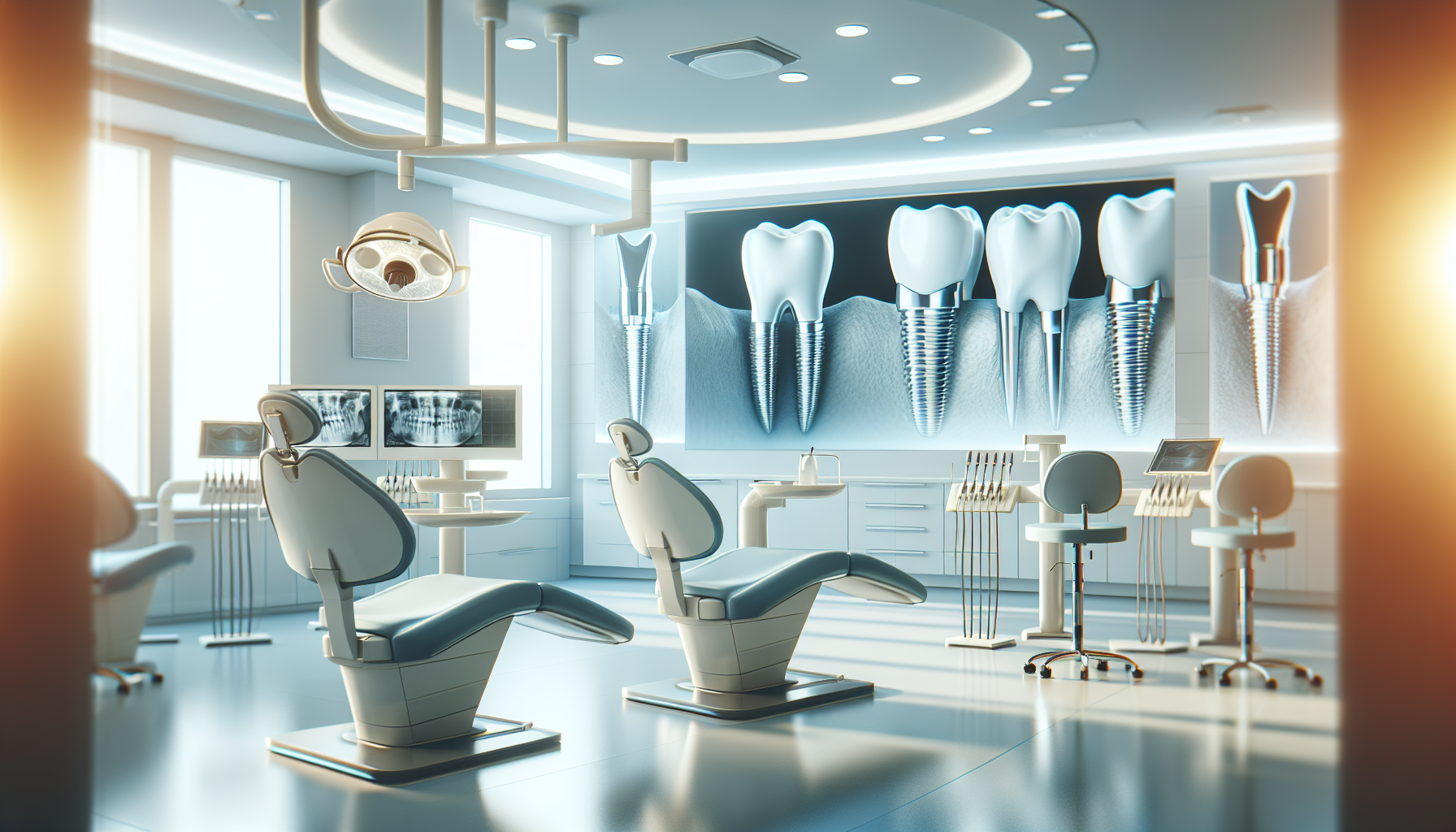
For residents in Vacaville, CA, and beyond, dental implants have become a popular choice over traditional dentures due to their impressive durability and natural appearance. In this comprehensive guide, we'll delve into the lifespan of dental implants, exploring aspects like proper care, the impact of oral hygiene, and lifestyle choices that can influence their longevity. We'll also discuss the benefits of regular dental check-ups and how recognizing early signs of potential implant issues can prevent future complications.
Whether you're a new patient or have had implants for years, understanding the longevity of dental implants is crucial to maintaining a healthy and confident smile. Let's delve deeper into the complete longevity guide for dental implants and discover how you can ensure yours stand the test of time.
Table of Contents
Key Takeaways
| Point | Details |
|---|---|
| Typical Lifespan | Dental implants typically last between 20 to 25 years with proper care. |
| Durability Comparison | The durability of dental implants surpasses that of traditional dentures. |
| Impacting Factors | Factors like oral hygiene and lifestyle choices impact implant longevity. |
| Importance of Check-Ups | Regular dental check-ups can help extend the lifespan of your implants. |
| Early Signs | Recognizing early signs of implant failure can prevent complications. |
Understanding Dental Implant Longevity
Dental implants are a popular and effective solution for replacing missing teeth, known for their durability and longevity. Understanding how long dental implants last is crucial for patients considering this treatment option. This section will explore the average lifespan of dental implants, compare them with other dental solutions like dentures and crowns, and discuss the difference between expected and real-world implant longevity.
Average Lifespan of Dental Implants
Dental implants are designed to be a long-term solution, often lasting a lifetime with proper care. According to the American Dental Association, the average success rate of dental implants is around 95% over a decade [ADA]. However, many factors can influence their longevity, including oral hygiene, lifestyle habits, and the skill of the dental practitioner.
Studies have shown that when maintained well, dental implants can last 25 years or more. In contrast, the lifespan of dental crowns is typically 5 to 15 years, and dentures may need replacing every 5 to 8 years [Mayo Clinic]. This makes dental implants a superior option for those seeking a durable and lasting solution.
Comparison with Other Dental Solutions
To better understand the benefits of dental implants, consider the following comparison with other dental solutions:
| Option | Average Lifespan | Maintenance |
|---|---|---|
| Dental Implants | 25+ years | Regular brushing and dental check-ups |
| Dental Crowns | 5-15 years | May require replacement or repair over time |
| Dentures | 5-8 years | May require adjustments and relining |
While dental implants require a higher initial investment, their longevity and reduced maintenance needs often make them a cost-effective choice in the long run. At Vacaville Aesthetic Dentistry & Implants, we ensure that our patients are well-informed about the benefits and maintenance of dental implants.
Pro Tip for Patients: To maximize the lifespan of your dental implants, practice excellent oral hygiene, attend regular dental check-ups, and avoid habits like smoking that can compromise implant health. By following these guidelines, you can ensure your dental implants last a lifetime.
Factors Affecting Dental Implant Lifespan
Dental implants are a reliable and long-lasting solution for tooth replacement, with an average lifespan of 10 to 30 years. However, several factors can influence the longevity of dental implants, affecting their durability over time. Understanding these factors can help patients make informed decisions and maintain their implants effectively. At Vacaville Aesthetic Dentistry & Implants, we emphasize the significance of these factors to ensure optimal outcomes for our patients.
Patient Oral Hygiene and Lifestyle Choices
One of the most critical factors in determining how long dental implants last is the patient's oral hygiene. Good oral hygiene involves regular brushing, flossing, and dental check-ups, which help prevent infections that can compromise implant stability. According to the American Dental Association, patients who maintain excellent oral hygiene have a significantly lower risk of implant failure.
Lifestyle choices, such as smoking and diet, also play a pivotal role. Smoking can impair healing and reduce blood flow to the gums, increasing the risk of implant failure. A study published by the National Institutes of Health in 2020 found that smokers are almost twice as likely to experience implant failure compared to non-smokers. Additionally, a diet rich in essential nutrients supports overall oral health and implant stability.
Skill of the Dental Surgeon and Material Used
The expertise and skill of the dental surgeon are crucial for the successful placement and longevity of dental implants. A skilled surgeon ensures precise placement, reducing the risk of complications. At Vacaville Aesthetic Dentistry & Implants, our experienced dentists in Vacaville use advanced techniques to enhance implant outcomes.
The material of the dental implant also affects its lifespan. Titanium implants are widely used due to their high biocompatibility and durability. However, zirconia implants are gaining popularity for their aesthetic appeal and comparable strength. The choice of material should be discussed with your dentist to align with your specific needs.
| Factor | Impact on Implant Longevity | Recommendation |
|---|---|---|
| Oral Hygiene | Critical for preventing infections and ensuring implant stability | Maintain regular brushing and flossing, and schedule dental check-ups |
| Smoking | Increases risk of implant failure | Quit smoking to improve implant success rate |
| Diet | Supports overall oral health | Consume a balanced diet rich in nutrients |
| Surgeon Skill | Ensures precise placement and reduces risk of complications | Select an experienced and skilled dental surgeon |
| Implant Material | Affects biocompatibility and durability | Discuss material options with your dentist |
Pro Tip for Patients: To maximize the lifespan of your dental implants, adhere to a diligent oral care routine, make healthy lifestyle choices, and consult with your dentist regularly to monitor the condition of your implants.
Care and Maintenance for Dental Implant Durability
Dental implants are a long-term investment in your oral health and appearance, and with proper care, they can last many years, often over a decade. The American Dental Association reports that the average lifespan of dental implants can be 10 to 15 years, and with exceptional care, they can last even longer. Here, we outline key practices to ensure the longevity of your dental implants.
Daily Oral Hygiene Practices
Maintaining excellent oral hygiene is crucial for dental implant durability. Here are some daily practices that should become part of your routine:
- Brushing: Brush your teeth at least twice a day using a soft-bristle toothbrush and non-abrasive toothpaste. This helps remove plaque and prevent gum disease.
- Flossing: Floss daily to clean between your teeth and implants, as this can help prevent peri-implantitis, an inflammation that can damage the supporting bone.
- Mouthwash: Use an antimicrobial mouthwash to reduce bacteria and keep your mouth clean.
These practices not only maintain the health of your implants but also benefit your natural teeth and gums.
Dietary Recommendations and Avoiding Harmful Habits
Your diet plays a significant role in dental implant longevity. Consider these dietary guidelines:
- Balanced Diet: Consume a diet rich in vitamins and minerals to support bone health, including calcium and vitamin D.
- Avoid Hard Foods: Steer clear of biting into hard foods like ice or hard candies, as these can damage the implant or surrounding teeth.
In addition to dietary considerations, avoiding harmful habits is essential:
- Smoking: Smoking can impede healing and increase the risk of implant failure. The NIH notes that smokers have a higher rate of implant failure.
- Teeth Grinding: If you grind your teeth, consult your dentist in Vacaville about a night guard to protect your implants and natural teeth.
The Role of Regular Dental Visits
Regular dental check-ups are crucial in maintaining the health of your dental implants. At Vacaville Aesthetic Dentistry & Implants, we recommend bi-annual visits to monitor the condition of your implants and address any issues early. During these visits, professional cleaning will help remove plaque and tartar that regular brushing might miss.
Pro Tip for Patients: Incorporate these care strategies into your daily routine and visit your dentist regularly. This helps ensure your dental implants remain healthy and functional for many years, maximizing your investment in your oral health.
Signs of Implant Failure and Replacement Options
Dental implants are a durable and reliable solution for replacing missing teeth, boasting a success rate of about 95% over ten years, according to the American Association of Oral and Maxillofacial Surgeons (AAOMS). However, like any medical procedure, implant failure can occur. Identifying early signs of failure and understanding replacement options is essential for maintaining oral health.Warning Signs of Implant Failure
Recognizing the warning signs of dental implant failure can help you seek timely intervention. Key indicators include:- Persistent Pain: While some discomfort is normal immediately after surgery, ongoing pain can be a sign of failure.
- Swelling or Inflammation: Continued swelling or inflammation around the implant site may indicate an infection or rejection.
- Mobility: An implant that feels loose or wobbly suggests a lack of osseointegration, where the implant fails to fuse with the jawbone.
- Gum Recession: If the gums around the implant start to recede, it could expose the implant, leading to potential failure.
Replacement Options and Procedures
When an implant fails, replacement may be necessary. The procedure typically involves the removal of the failed implant, allowing time for the site to heal before a new implant is placed. In some cases, bone grafting is required to ensure sufficient bone structure for the new implant. Assessing the difference between dental implants and dentures regarding durability and replacement probability is essential:| Option | Average Lifespan | Replacement Probability |
|---|---|---|
| Dental Implants | 10-15 years or more | Low if maintained properly |
| Dentures | 5-8 years | Higher due to wear and tear |
Pro Tip for Patients: Regular dental check-ups can help identify early signs of implant failure, ensuring timely intervention and potentially avoiding more complex procedures. Always follow your dentist's post-operative care instructions to maximize the lifespan of your dental implants.
Frequently Asked Questions
How long do dental implants typically last?
At Vacaville Aesthetic Dentistry & Implants, we understand that longevity is a key concern for patients considering dental implants. On average, dental implants can last anywhere from 15 to 25 years, and many actually last a lifetime with proper care. The crown portion of the implant might need replacement every 10 to 15 years due to normal wear and tear, depending on your oral hygiene and lifestyle habits. Regular check-ups at our Vacaville dental practice play a significant role in this. Keeping up with routine maintenance and addressing potential issues early can enhance the lifespan of your dental implants.
What factors affect the durability of dental implants?
The longevity of dental implants primarily depends on several factors including oral hygiene, lifestyle habits such as smoking, diet, and professional maintenance. At Vacaville Aesthetic Dentistry & Implants in Vacaville, CA, we emphasize the importance of maintaining good oral hygiene and scheduling regular dental appointments. Other factors include the quality of the jawbone, placement of the implant, and preexisting medical conditions like diabetes or osteoporosis, which can influence the stability of the implant.
Are dental implants a permanent solution?
Dental implants are designed to be a long-lasting solution for missing teeth. While the implant itself, typically made of titanium, can potentially last a lifetime, the crown attached to the implant may need replacement over time. At our office in Vacaville, we provide guidance on how to care for your dental implants to maximize their longevity. Routine visits to Vacaville Aesthetic Dentistry & Implants will ensure your implants are well-maintained and functioning properly.
How can I extend the life of my dental implants?
To extend the life of your dental implants, it's crucial to practice diligent oral hygiene by brushing and flossing daily. Regular dental check-ups at Vacaville Aesthetic Dentistry & Implants in Vacaville are essential for early detection of any potential issues. A diet low in sugar and acidic foods can also help protect your oral health, while avoiding smoking can significantly improve the lifespan of your implants. Remember, attention to your oral health greatly contributes to the longevity of your implants.
Can lifestyle choices impact the lifespan of dental implants?
Yes, lifestyle choices can greatly influence the longevity of your dental implants. Smoking, for example, can negatively affect the healing process and increase the risk of implant failure. A diet high in sugary and acidic foods can lead to gum disease, which may compromise the implant. At Vacaville Aesthetic Dentistry & Implants, your Vacaville dentist recommends regular check-ups and adopting a healthy lifestyle to ensure the longevity and success of your dental implants.
What should I do if I suspect a problem with my dental implant?
If you notice any discomfort, swelling, or instability with your dental implant, it's important to contact your dentist in Vacaville promptly. At Vacaville Aesthetic Dentistry & Implants, we prioritize your oral health and will evaluate any issues you might experience to provide timely solutions. Early intervention is key to addressing potential concerns and protecting the long-term success of your implant.
Conclusion
Dental implants offer a reliable, long-lasting solution for those struggling with tooth loss, with an average lifespan of 15 to 25 years when cared for properly. Key factors contributing to their longevity include good oral hygiene, regular dental checkups, and healthy lifestyle habits. As with any dental solution, individual outcomes vary, with some implants lasting a lifetime. The advancement in implant technology and techniques continues to enhance their reliability and effectiveness, making dental implants a valuable investment in your oral health.
At Vacaville Aesthetic Dentistry & Implants, we understand the importance of a healthy, confident smile. That’s why we are dedicated to providing personalized care tailored to meet your unique dental needs. Our experienced team in Vacaville is here to guide you through the implant process, ensuring that you make informed decisions about your dental health.
Ready to explore how dental implants can transform your smile and improve your quality of life? Don’t wait any longer to achieve the smile you deserve. We invite you to schedule a consultation with Vacaville Aesthetic Dentistry & Implants, your trusted dentist in Vacaville. Let us partner with you on your journey to a healthier, more vibrant smile.
Contact us today to book your appointment and take the first step towards lasting oral health!

.svg)