
The average American spends more than 600 dollars a year on dental care, yet many Lynnwood residents still worry about fitting dental appointments into their family budget. Cost concerns can feel overwhelming, especially when you’re anxious about treatment or have no insurance protection for cosmetic work. This guide breaks down practical steps to help you plan for dental expenses, understand your options, and take control of your oral health with confidence.
Table of Contents
- Step 1: Assess Your Dental Needs And Priorities
- Step 2: Estimate Treatment Costs And Insurance Coverage
- Step 3: Explore Payment Plans And Membership Options
- Step 4: Allocate Monthly Funds For Dental Expenses
- Step 5: Review And Adjust Your Dental Budget Periodically
Quick Summary
| Key Point | Explanation |
|---|---|
| 1. Assess dental needs first | Schedule a comprehensive dental examination to identify immediate and future treatment requirements. Prioritize your dental needs to budget effectively. |
| 2. Understand insurance coverage | Review your dental insurance plan to know which treatments are covered and the associated percentages. This aids in managing out-of-pocket expenses. |
| 3. Explore flexible payment options | Consider dental membership plans or financing options to reduce costs and manage payments for necessary treatments more effectively. |
| 4. Allocate monthly savings for dental care | Budget between $100 to $300 monthly for dental expenses. Set up a dedicated savings account for both routine and unexpected treatments. |
| 5. Regularly review dental budget | Conduct a comprehensive budget review every six months. Adjust based on changes in your dental health and treatment needs. |
Step 1: Assess your dental needs and priorities
Getting a clear picture of your dental health requires thoughtful evaluation and strategic planning. Understanding your current oral health status helps you create a targeted budget that addresses immediate concerns and prevents future expensive treatments.
Start by scheduling a comprehensive dental examination to understand your current oral health baseline. During this assessment, a professional will identify existing issues like cavities, gum disease, or potential structural problems. Pay close attention to the dentist’s recommendations about treatments needed now versus those that can be planned for later. Some issues require immediate intervention while others can be strategically scheduled to manage costs effectively.
Break down your dental needs into three primary categories: preventive care, routine maintenance, and potential corrective procedures. Preventive care includes regular cleanings and check-ups. Routine maintenance might involve fillings or annual x-rays. Corrective procedures could range from root canals to cosmetic work. By categorizing these needs, you can prioritize spending and create a more predictable financial approach.
Pro tip: Create a spreadsheet tracking your dental expenses and anticipated treatments to help you visualize and plan your dental healthcare budget more effectively.
Step 2: Estimate treatment costs and insurance coverage
Understanding the financial landscape of dental care requires strategic planning and a clear breakdown of potential expenses. Your goal in this step is to demystify treatment costs and navigate the complexities of insurance coverage with confidence.
Start by obtaining a detailed breakdown of your current dental insurance plan. Carefully review the specific coverage rules and limitations that impact your potential out of pocket expenses. Most insurance plans divide coverage into categories like preventive care (typically covered at 100%), basic procedures (often covered at 80%), and major treatments (usually covered at 50%). Request a comprehensive benefits summary from your insurance provider that outlines exactly what treatments are covered and at what percentage.
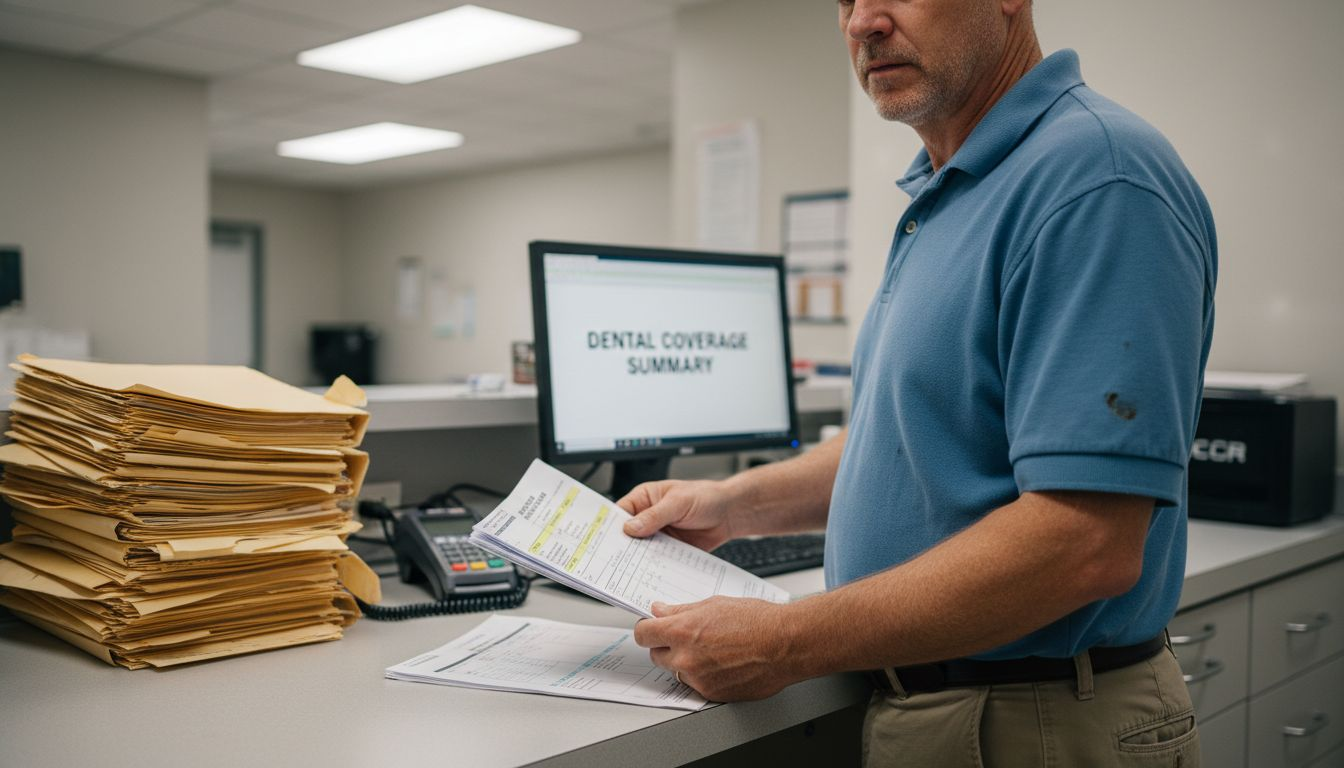
Contact your dental office and request an itemized estimate for recommended treatments. Ask about cash payment discounts, potential payment plans, and whether they offer financing options for more expensive procedures. Some dental practices provide sliding scale fees or membership programs that can significantly reduce your overall costs. Cross reference these estimates with your insurance coverage to understand your potential out of pocket expenses and create a realistic financial plan.
Pro tip: Request a predetermination of benefits from your insurance company before undergoing any major dental procedure to get a precise estimate of your expected expenses.
Step 3: Explore payment plans and membership options
Navigating dental care costs requires creative financial strategies that can help you manage expenses while maintaining optimal oral health. Your goal is to discover flexible payment solutions that make quality dental care accessible and affordable.
Innovative payment arrangements can significantly reduce your overall dental healthcare expenses. Many dental practices now offer membership plans that provide comprehensive preventive care at a fixed annual or monthly rate. These plans typically include routine cleanings, annual x-rays, and emergency consultations for a predictable fee. Some practices also partner with third party financing companies to offer installment plans that break down larger treatment costs into manageable monthly payments.
Carefully compare different membership options and financing plans. Look for programs that offer discounts on additional treatments beyond preventive care, such as reduced rates for fillings, root canals, or cosmetic procedures. Some dental offices provide sliding scale fees based on income or offer bundled service packages that can help you save money. Always read the fine print and understand any enrollment fees, renewal terms, or potential restrictions before committing to a specific plan.
Pro tip: Request a detailed cost comparison between your current insurance plan and potential membership options to identify the most financially advantageous approach for your specific dental needs.
Here’s a quick comparison of common ways to pay for dental care and their key benefits:
| Payment Method | Predictability of Costs | Potential Savings | Accessibility |
|---|---|---|---|
| Insurance | Moderate; depends on plan details | Can be high for preventive care | Widely available via employers or private market |
| Membership Programs | High; fixed monthly or annual rate | Discounts on extra treatments | Growing availability at dental offices |
| Financing Plans | Low; variable monthly payments | Limited; may incur interest | Often accessible for major procedures |
| Sliding Scale Fees | Moderate; adjusts with income | Significant for qualifying patients | Depends on provider participation |
Step 4: Allocate monthly funds for dental expenses
Successful dental budget management requires strategic financial planning and proactive saving. Your mission is to create a consistent and realistic approach to setting aside funds that will cover both routine care and unexpected dental needs.
Developing a systematic approach to dental expense budgeting starts with understanding your typical annual dental care requirements. Calculate your expected expenses by reviewing past dental bills and recommended preventive care schedules. Most individuals should budget between 100 and 300 dollars monthly, depending on their age, existing dental health, and insurance coverage. Consider opening a dedicated healthcare savings account or setting up automatic transfers to a separate savings fund specifically earmarked for dental expenses.
Break down your dental budget into key categories: preventive care, potential treatments, emergency funds, and optional cosmetic procedures. Routine cleanings and check-ups typically cost between 75 and 200 dollars twice a year, while more complex procedures like fillings or root canals can range from 300 to 2000 dollars. By anticipating these potential expenses and creating a structured savings plan, you can avoid financial stress and ensure consistent access to quality dental care.

Pro tip: Create a digital spreadsheet or use a budgeting app that allows you to track and allocate funds specifically for dental expenses, helping you stay organized and financially prepared.
Use this summary of typical annual dental expenses to inform your budget planning:
| Dental Expense Category | Average Annual Cost | Budgeting Tip |
|---|---|---|
| Preventive Care | $150 – $400 | Schedule regular cleanings early |
| Routine Treatments | $300 – $800 | Reserve monthly savings |
| Major Procedures | $700 – $3,000 | Plan ahead with insurance/loans |
| Emergency Funds | $500 – $1,500 | Keep a dedicated savings buffer |
| Cosmetic Procedures | $500 – $5,000 | Treat as discretionary spending |
Step 5: Review and adjust your dental budget periodically
Budget management for dental care is an ongoing process that requires regular attention and flexibility. Your goal is to create a dynamic financial strategy that adapts to changing healthcare needs and economic circumstances.
Developing a systematic approach to budget review involves tracking your dental expenses and anticipating future healthcare requirements. Schedule a comprehensive budget review every six months to assess your current dental health status, insurance coverage changes, and potential upcoming treatments. Look for shifts in your oral health that might require additional investments such as orthodontic work, potential implants, or increased preventive care. Pay special attention to changes in insurance benefits, out of pocket maximums, and any new treatment recommendations from your dental professional.
Consider creating a dedicated digital folder or spreadsheet where you can track all dental expenses, insurance reimbursements, and projected costs. Include categories for routine preventive care, potential treatments, emergency funds, and discretionary cosmetic procedures. This approach allows you to spot trends in your dental spending, identify potential areas of savings, and ensure that your budget remains aligned with your overall financial goals and oral health needs.
Pro tip: Set calendar reminders for your biannual dental budget review and keep all related financial documents in one easily accessible digital location.
Take Control of Your Dental Budget with Expert Care at DentalAteliers
Managing dental expenses can feel overwhelming when you face the challenge of estimating treatment costs, juggling insurance coverage, and planning for unexpected procedures. This article highlights key steps like categorizing dental needs and exploring payment options to help you build a solid financial plan. If budgeting for dental care feels stressful, you are not alone. Many patients want transparency and predictable costs without sacrificing quality or comfort.
At DentalAteliers, Dr. Kunal Narang and his team understand these concerns firsthand. We offer personalized membership plans and clear pricing on advanced treatments such as implant dentistry, same-day crowns, and root canals to help you save effectively. Our patient-centered approach includes amenities that make each visit welcoming and comfortable. By combining expert dental care with flexible financial solutions, we empower you to maintain your oral health confidently without financial strain.

Ready to simplify your dental budgeting and receive exceptional care in Lynnwood, WA? Visit DentalAteliers today to explore our membership options, learn about transparent treatment pricing, and request your appointment online. Take the first step toward a healthier smile and a smarter dental budget now.
Frequently Asked Questions
How can I assess my dental needs effectively?
To assess your dental needs, start by scheduling a comprehensive dental examination. During this visit, your dentist will identify any existing issues and provide recommendations for treatments that can be prioritized based on urgency and budget.
What should I include in my dental care budget?
Your dental care budget should include categories for preventive care, routine treatments, potential corrective procedures, and emergency funds. Estimate costs based on previous bills and expected care frequency to create a realistic financial plan.
How can I estimate my dental treatment costs and insurance coverage?
Obtain a detailed breakdown of your dental insurance plan and request an itemized estimate for recommended treatments from your dental office. This will help you to understand the specific coverage and potential out-of-pocket expenses, making your budgeting more accurate.
What payment options are available for dental care?
Consider exploring payment plans and membership options offered by dental practices. Many offices provide financing plans that allow you to break down treatment costs into manageable monthly payments, making dental care more accessible.
How often should I review my dental budget?
You should review your dental budget every six months or whenever there are significant changes in your dental health or insurance coverage. This regular review helps you adjust your plan based on unexpected needs or changes in expenses, ensuring continual alignment with your oral health goals.
What should I do if I encounter unexpected dental expenses?
If you encounter unexpected dental expenses, consult your budget to adjust your monthly savings allocations. Consider prioritizing funds from other non-essential categories or explore financing options to manage the costs effectively.
Recommended
- 7 Types of Dental Insurance Alternatives for Affordable Care | The Dental Atelier
- How to Find Uninsured Dental Options Step by Step | The Dental Atelier
- Maximize Your Dental Benefits Before Year-End | Dental Ateli | The Dental Atelier
- Dental Financing Options Explained: Making Care Affordable | The Dental Atelier

.svg)