
Feeling uneasy about your first visit for cosmetic or restorative dental care in Lynnwood is more common than you think. Many people worry about procedures, unknown costs, or even just sitting in the chair. The good news is, clear communication and thorough preparation help eliminate anxiety and build trust with your dental team. This guide gives you practical steps and tips to help you feel supported, informed, and ready for a positive dental experience.
Table of Contents
- Step 1: Collect Medical and Dental Information
- Step 2: Communicate Preferences and Concerns
- Step 3: Plan Your Appointment Comfort Essentials
- Step 4: Review Pre-Visit Instructions and Confirm Details
- Step 5: Assess Readiness for a Confident Dental Visit
Quick Summary
| Key Insight | Explanation |
|---|---|
| 1. Compile Your Medical History | Provide a detailed list of medications, allergies, and conditions before your dental appointment for personalized care. |
| 2. Communicate Your Comfort Needs | Share your anxieties, concerns, and preferences so your dentist can tailor your experience for comfort and safety. |
| 3. Plan for Pain Management | Discuss pain management options and strategies to minimize discomfort during and after your dental procedures. |
| 4. Review Pre-Visit Instructions | Carefully examine and confirm any pre-visit instructions from the dental office to ensure smooth logistics on your appointment day. |
| 5. Assess Your Readiness | Mentally prepare by reviewing your checklists and visualizing a smooth appointment to build confidence and reduce anxiety. |
Step 1: Collect Medical and Dental Information
Gathering your complete medical and dental history before your appointment is one of the most important things you can do to ensure your visit goes smoothly. This information helps your dentist understand your overall health picture and plan treatments that are safe and effective specifically for you. When you arrive at our Lynnwood office, you’ll fill out health history forms, but the real preparation happens before you walk through the door.
Start by writing down your current medications, including everything from prescription drugs to over-the-counter supplements and vitamins. Don’t skip anything, even if it seems unrelated to your teeth. Medications for blood pressure, heart conditions, diabetes, and even depression can affect how your dentist approaches treatment and how your mouth heals after procedures. If you’re taking anticoagulants or blood thinners, bisphosphonates, or undergoing chemotherapy, your dentist absolutely needs to know. These treatments require special planning and considerations during dental work. Next, list any allergies you have, especially to medications like penicillin or anesthetics. Compile your surgical history, any jaw or tooth injuries you’ve experienced, and whether you’ve had complications from previous dental work. If you have sleep apnea, heart disease, osteoporosis, or autoimmune conditions, write those down too. You should also note if you’ve experienced any recent infections or have a weakened immune system.
Don’t forget to gather information about your dental history as well. Think about when you last visited a dentist, what work has been done (crowns, fillings, root canals, extractions), and whether you’ve had any problems with previous dental treatment like swelling, prolonged bleeding, or jaw pain afterward. Bring any dental records or X-rays from your previous dentist if you have them. This gives our team at Dental Atelier a complete picture and helps us avoid repeating work or missing important details. When discussing your dental insurance and coverage details, have your insurance card and policy information ready so we can verify benefits and discuss costs upfront. The more thorough and honest you are about your medical and dental background, the better equipped your dentist is to provide you with personalized, safe care.
Pro tip: Write everything down on paper or type it out before your appointment rather than trying to remember details on the spot, and bring your list with you so you don’t forget any medications or health conditions when completing the intake forms.
Here’s a quick overview of medical information types dentists use to tailor care:
| Information Type | Why Dentists Need It | Impact on Treatment |
|---|---|---|
| Current Medications | Identify risks/interactions | Adjusts anesthesia, procedures |
| Allergies | Prevent adverse reactions | Changes medication choices |
| Surgical History | Assess healing and risk factors | Influences post-op strategy |
| Chronic Conditions | Understand systemic effects | Modifies recommendations |
| Dental History | Track previous problems/work | Prevents repeated treatment |
Step 2: Communicate Preferences and Concerns
Your comfort and peace of mind matter just as much as the actual treatment you receive. This step is about making your dentist aware of what you need, what worries you, and what will help you feel more relaxed during your appointment. Many patients feel nervous about speaking up, but dentists need this information to provide care that works for you, not just technically correct treatment.
Start by thinking about your specific concerns before you arrive. Are you anxious about needles or the sound of the drill? Do you have a sensitive gag reflex? Have you had a bad experience at the dentist before that makes you nervous about certain procedures? Write these down so you don’t forget them when you’re sitting in the chair. Be honest about your anxiety level too. If you have dental phobia, tell us. If you’re just a little nervous, that matters too. Open, honest discussion helps resolve concerns and strengthens the dentist-patient relationship, and it starts with you being willing to speak up. Let your dentist know what you need to feel safe. Some patients do better with more frequent breaks, others want to use a hand signal to pause treatment, and some appreciate having noise-canceling headphones available. At Dental Atelier in Lynnwood, we offer these amenities specifically because we understand that comfort affects your experience and your health outcomes.
Beyond anxiety, communicate your goals and preferences for treatment. If you’re interested in cosmetic improvements like a whiter smile or straighter teeth, say so. If you’re more focused on function and prefer conservative treatment options, that’s equally important information. Discuss cost concerns upfront rather than being surprised later. Ask about your options for procedures like same-day crowns or Invisalign, and understand what each choice involves. Clear, accurate, and understandable information before treatment enables you to make informed decisions and feel more confident about your care. Don’t hesitate to ask questions about anything you don’t understand. Your dentist would rather explain something twice than have you leave confused or uncomfortable.
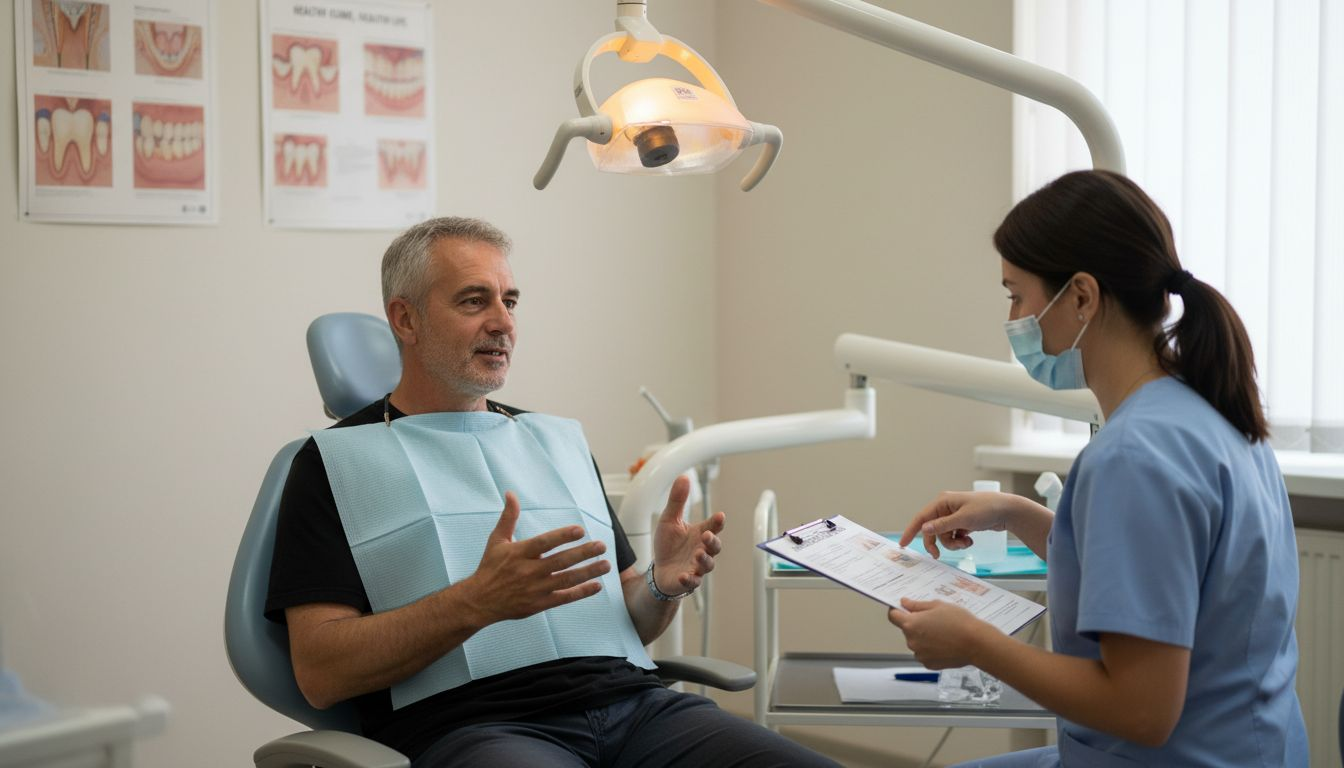
Pro tip: Write down your top three concerns or questions before your appointment and bring the list with you so you remember everything you wanted to discuss, especially if anxiety tends to make you forget what you planned to say.
Step 3: Plan Your Appointment Comfort Essentials
Thinking through what will make you comfortable during your visit is not pampering yourself, it’s smart preparation. Your comfort directly affects how relaxed you’ll be, which influences everything from how well the anesthetic works to how cooperative your body is during treatment. By planning ahead, you give yourself permission to actually enjoy the experience rather than white-knuckling through it.
Start by considering what helps you feel calm and in control. If noise bothers you, ask about noise-canceling headphones when you call to schedule or when you arrive. At Dental Atelier, we have these available because we know that the sound of dental equipment triggers anxiety for many people. If you prefer distraction, ask if you can watch a show or movie during your appointment. Bring a comfort item if the office allows it, like a stress ball to hold or a blanket you find calming. Think about timing too. Are you a morning person or do you do better in the afternoon when you’re more awake? Some people prefer shorter appointments with multiple visits rather than one long session. Communicate these preferences when scheduling. Also consider whether you want someone with you for support, whether that’s a family member or friend. Many dental offices allow a support person to be present, and having someone there can make a real difference in how anxious you feel.

Next, plan for pain management. Discussing pain management options with your dentist helps anticipate potential discomfort and minimize stress. Ask what options are available for numbing agents and whether the office uses any techniques to make injections less uncomfortable. Some dentists apply topical anesthetic first so you don’t feel the needle as much. Ask about the specific procedures you’re having done and what discomfort to expect both during and after treatment. Understanding what’s coming reduces anxiety significantly. Bring a list of any pain medications you can take or any you cannot take due to allergies or other medications. If you’re nervous about postoperative pain from procedures like extractions or implant work, talk to your dentist about pain management strategies before you leave. Getting clear postoperative care instructions helps you know exactly what to do to stay comfortable while you heal. Finally, plan what you’ll do after your appointment to extend that calm feeling. Will you take the rest of the afternoon off? Will you go straight back to work? Knowing your plan removes one more variable from your day.
Pro tip: Call the office a day or two before your appointment to confirm your comfort needs and ask any last-minute questions so you arrive feeling informed and prepared rather than wondering what to expect.
Review this summary of comfort strategies and their typical benefits:
| Comfort Strategy | Benefit for Patient | How to Request |
|---|---|---|
| Noise-canceling headphones | Reduces anxiety, blocks noise | Ask when scheduling |
| Support person at appointment | Eases nerves, emotional support | Confirm office policy |
| Pain management discussion | Minimizes discomfort, clear plan | Talk with dentist before visit |
| Shorter appointment length | Less fatigue, lower stress | Request multiple shorter visits |
Step 4: Review Pre-Visit Instructions and Confirm Details
The final step before your appointment is reviewing everything the dental office sent you and confirming the logistics. This is where you catch any questions you missed, verify that you’re prepared for what’s about to happen, and confirm the practical details like time and location. Getting this right means you’ll arrive ready rather than scrambling at the last minute.
When the office sends you pre-visit instructions, read them thoroughly and follow them exactly. Some appointments require fasting or avoiding food for a certain period before the visit. If you’re having sedation or a procedure that requires anesthesia, you may not be able to eat for several hours beforehand. If you wear dentures or have removable orthodontic appliances, you might need to remove them before your appointment. Pre-visit patient screening involves reviewing office protocols and confirming appointment details to ensure patient safety, so pay attention to anything the office specifically mentions. Check whether you should arrive early to fill out paperwork or if you can do it online beforehand. Some offices now offer online check-in, which saves time and reduces anxiety. Notice the address, parking information, and whether there’s wheelchair accessibility if needed. If you’re taking medications before your appointment, confirm with the office whether you should take them as scheduled or adjust your routine. Ask about bringing your insurance card and ID. Verify the cost of your visit if you’ve discussed it before. Having all these details confirmed removes uncertainty and helps you feel more in control.
The day before or morning of your appointment, confirm a few final things. Text or call the office to verify your appointment time if you have any doubt. Check the weather and plan your route to avoid being late. If you need a ride, make sure your driver knows the time and location. Consider what you’ll wear (loose clothing is easier for dental work), where your wallet and insurance information are, and whether you need to bring anything like a list of medications or medical forms. If something about your health has changed since you completed your health history, contact the office before your appointment. This includes new medications, recent illnesses, or any symptoms you’ve developed. The office may need to reschedule or adjust your treatment plan based on new information. Knowing that you’ve completed all these steps helps you arrive calm and ready to focus on getting excellent dental care.
Pro tip: Set a phone reminder for the day before your appointment to review the pre-visit instructions one more time and double-check logistics so nothing surprises you on appointment day.
Step 5: Assess Readiness for a Confident Dental Visit
Before you head out the door, take a moment to mentally assess whether you’re truly ready for your appointment. This is not about feeling zero anxiety, which is unrealistic. This is about confirming that you’ve done the preparation work, you know what to expect, and you have the support and resources you need to get through the visit successfully. Feeling ready means feeling confident that you can handle what comes next.
Start by reviewing your preparation checklist mentally. Have you completed your health history forms and brought them or know where to submit them? Do you have your insurance card and ID? Did you follow any fasting or pre-visit instructions? Have you communicated your anxiety or concerns to the office? Have you arranged transportation or support if you need it? Are you wearing comfortable clothing? Do you know the office location and have you planned your route? Assessing readiness involves ensuring all necessary health information is available and that any concerns are communicated beforehand, and this is your final chance to verify these pieces are in place. If something is missing, address it now rather than arriving flustered. If you forgot to mention something important, call the office even if it’s the morning of your appointment. They would rather adjust their plan than be surprised during treatment. Think about your mindset too. Are you feeling as calm as you can be given the circumstances? Have you done your breathing exercises or listened to calming music? Are you reminding yourself that the dental team is there to help you, not harm you, and that you’re taking an active role in your health by showing up?
Next, visualize your appointment going smoothly. Picture yourself in the waiting room, check-in process, and treatment room. Imagine yourself communicating clearly with the dental team, asking questions if needed, and getting through the appointment. This mental preparation sounds simple but genuinely helps reduce anxiety and builds confidence. Think about your pain management plan. Do you remember what you discussed with the dentist about numbing agents or breaks during the procedure? Do you know the hand signal for pausing if you need it? Remind yourself that you can speak up at any time. Consider what you’ll do after your appointment to reward yourself or continue your relaxation. Will you treat yourself to something you enjoy? Will you take the afternoon off to rest? Having something to look forward to gives your mind a positive focus. If you’re still feeling significantly anxious, that’s okay. Anxiety doesn’t mean you’re not ready. You’re ready if you’ve prepared, you know what to expect, you’ve communicated your concerns, and you’ve shown up despite your fears. That takes courage.
Pro tip: The morning of your appointment, spend five minutes doing deep breathing exercises or a brief meditation to calm your nervous system before you leave home, which helps you arrive more relaxed and ready.
Take Control of Your Dental Experience with Dental Atelier
Preparing for a dental visit can feel overwhelming, especially when managing concerns like anxiety, medical histories, and treatment preferences. This article highlights common challenges such as communicating your comfort needs, understanding pain management, and organizing your medical and dental information to achieve a stress-free appointment. At Dental Atelier, we recognize these pain points and prioritize creating a warm, welcoming environment tailored to you. Our amenities like noise-canceling headphones and TVs are designed specifically to ease dental anxiety while our skilled team led by Dr. Kunal Narang ensures personalized care based on your detailed health background and preferences.

Don’t wait to turn your next dental visit into a positive, confident experience. Explore our comprehensive services including same-day crowns, Invisalign, and implant dentistry. Use our online appointment system to schedule your stress-free consultation today. Visit Dental Atelier now to learn how we make patient-centered care accessible and comfortable every step of the way.
Frequently Asked Questions
How can I gather my medical and dental information before my visit?
To prepare for your dental appointment, collect details about your current medications, allergies, surgical history, and any chronic conditions. Write them down or type them out before your visit to ensure you don’t forget anything when filling out the health history forms.
What should I do if I feel anxious about my dental visit?
If you’re feeling anxious about your appointment, speak up about your concerns when scheduling or before your visit. Consider writing down your specific worries and discussing them with your dentist to develop a plan for managing anxiety during treatment.
How can I ensure comfort during my dental appointment?
You can enhance your comfort by communicating your preferences ahead of time. Request noise-canceling headphones, consider bringing a support person, or ask about pain management options before your appointment to feel more at ease.
What pre-visit instructions should I pay attention to?
Carefully review the pre-visit instructions sent by your dental office, as these may include fasting requirements or guidelines for medication use. Make sure to follow them exactly to avoid any delays or complications during your appointment.
How do I confirm the details of my appointment?
Confirm your appointment details by calling the dental office a day or two before your visit. Double-check the time, location, and any specific requirements to ensure you’re fully prepared when you arrive.
What final steps should I take before leaving for my dental visit?
Before you leave for your appointment, mentally review your preparation checklist to ensure you have everything needed, including your health history, insurance card, and any questions you want to ask. A final check helps you feel confident and ready for your visit.
Recommended
- 7 Essential Dental Procedure Preparation Tips for Adults | The Dental Atelier
- 7-Step Dental Visit Preparation Checklist for Anxiety Relief | The Dental Atelier
- 7 Essential Tips for a Comfortable First Dental Visit | The Dental Atelier
- 7 Essential Steps for Creating a Comfortable Dental Visit | The Dental Atelier

.svg)