
Choosing a dentist can feel overwhelming, especially when you want to be certain about both safety and expertise. For residents in Lynnwood, WA who are anxious about dental visits, understanding what professional qualifications mean is a crucial first step. This guide explains how dental credentials such as DDS, DMD degrees, state licensure, and board certification represent credible, advanced training—helping you confidently select a dental provider who offers both reassurance and highest standards of care.
Table of Contents
- Defining Dental Credentials And Their Role
- Key Types Of Dental Qualifications Explained
- How Board Certification And Memberships Matter
- Why Accredited Training Ensures Patient Safety
- Risks Of Unverified Or Misleading Credentials
Key Takeaways
| Point | Details |
|---|---|
| Understanding Dental Credentials | Dental credentials affirm a dentist’s education, training, and expertise, comprising degrees like DDS or DMD, state licensure, and specialty certifications. |
| Importance of Verification | Always verify a dentist’s credentials with state licensing boards and professional associations to ensure patient safety and care quality. |
| Role of Board Certification | Board certification indicates advanced expertise and a commitment to ongoing professional development, providing patients with assurance of high standards. |
| Risks of Misleading Credentials | Unverified credentials can compromise patient safety, leading to medical errors and unethical practices, thus necessitating diligent verification processes. |
Defining Dental Credentials And Their Role
Dental credentials represent the professional qualifications that demonstrate a dentist’s educational background, specialized training, and recognized expertise. At their core, these credentials begin with foundational degrees like Doctor of Dental Surgery (DDS) or Doctor of Dental Medicine (DMD), which qualify professionals to practice general dentistry after meeting state licensure requirements.
The landscape of dental credentials is complex and multifaceted, involving several key components:
- Basic Professional Degree: DDS or DMD from an accredited dental school
- State Licensure: Official permission to practice dentistry in a specific state
- Board Certification: Advanced recognition of expertise in a dental specialty
- Advanced Training Credentials: Fellowships, additional certifications, and specialized education
Professional organizations play a critical role in establishing and maintaining these credentials. Advanced dental credentials are governed by professional guidelines that ensure clear communication about a dentist’s qualifications and specialties.
The purpose of these credentials extends beyond mere paperwork. Dental specialties are recognized to protect public health and advance dentistry, requiring practitioners to demonstrate advanced knowledge and skills beyond basic dental education. This system supports quality patient care and promotes continued research and professional development.

Pro tip: When selecting a dental professional, always verify their credentials by checking their state licensing board and professional association memberships.
Key Types Of Dental Qualifications Explained
Dental qualifications represent a comprehensive system of professional recognition that ensures dentists meet rigorous standards of education, expertise, and clinical competence. At the foundational level, these qualifications begin with essential academic and professional milestones that validate a dentist’s ability to provide high-quality patient care.
Key types of dental qualifications include:
- Basic Dental Degrees: Doctor of Dental Surgery (DDS) or Doctor of Dental Medicine (DMD)
- National Board Examinations: Integrated National Board Dental Examination (INBDE)
- State Licensure: Official state-specific practice authorization
- Specialty Certifications: Advanced training in specific dental fields
- Continuing Education Credits: Ongoing professional development credentials
Professional licensure requirements involve multiple critical steps, encompassing comprehensive educational programs, national examinations, and state-specific clinical assessments. These requirements ensure that dental professionals maintain high standards of knowledge and practical skills throughout their careers.
Board certification represents an advanced tier of professional qualification. Board certification involves rigorous evaluation beyond standard degrees, requiring completed specialty training and comprehensive examinations that validate a dentist’s advanced expertise in specific practice areas. This process not only demonstrates exceptional skill but also provides patients with confidence in their dental professional’s specialized capabilities.
Pro tip: Always request to see a dentist’s current professional credentials and verify their standing with state licensing boards before scheduling complex dental procedures.
The table below compares core dental qualifications and their primary significance:
| Qualification Type | Main Focus | Impact on Dentists |
|---|---|---|
| DDS/DMD Degree | Foundational dental skills | Basic eligibility to practice |
| State Licensure | Regulatory compliance | Legal authority to treat |
| Board Certification | Advanced specialty skills | Recognition as expert |
| Continuing Education Credits | Ongoing knowledge updates | Maintains professional status |
How Board Certification And Memberships Matter
Board certification and professional memberships represent far more than simple credentials - they are critical indicators of a dental professional’s commitment to excellence, ongoing learning, and patient care. These qualifications demonstrate a dentist’s dedication to maintaining the highest standards of professional practice beyond basic educational requirements.
Key aspects of board certification and professional memberships include:
- Advanced Knowledge Validation: Rigorous testing and evaluation
- Continuous Professional Development: Regular education and skill enhancement
- Ethical Practice Standards: Commitment to professional guidelines
- Specialized Expertise: Recognition in specific dental subspecialties
- Patient Trust and Confidence: External validation of professional capabilities
Board certification demonstrates a dentist’s mastery of advanced skills, requiring extensive post-graduate education and comprehensive examinations that go well beyond standard licensing requirements. This process ensures that certified dentists have proven their expertise through a demanding, objective assessment of their professional capabilities.
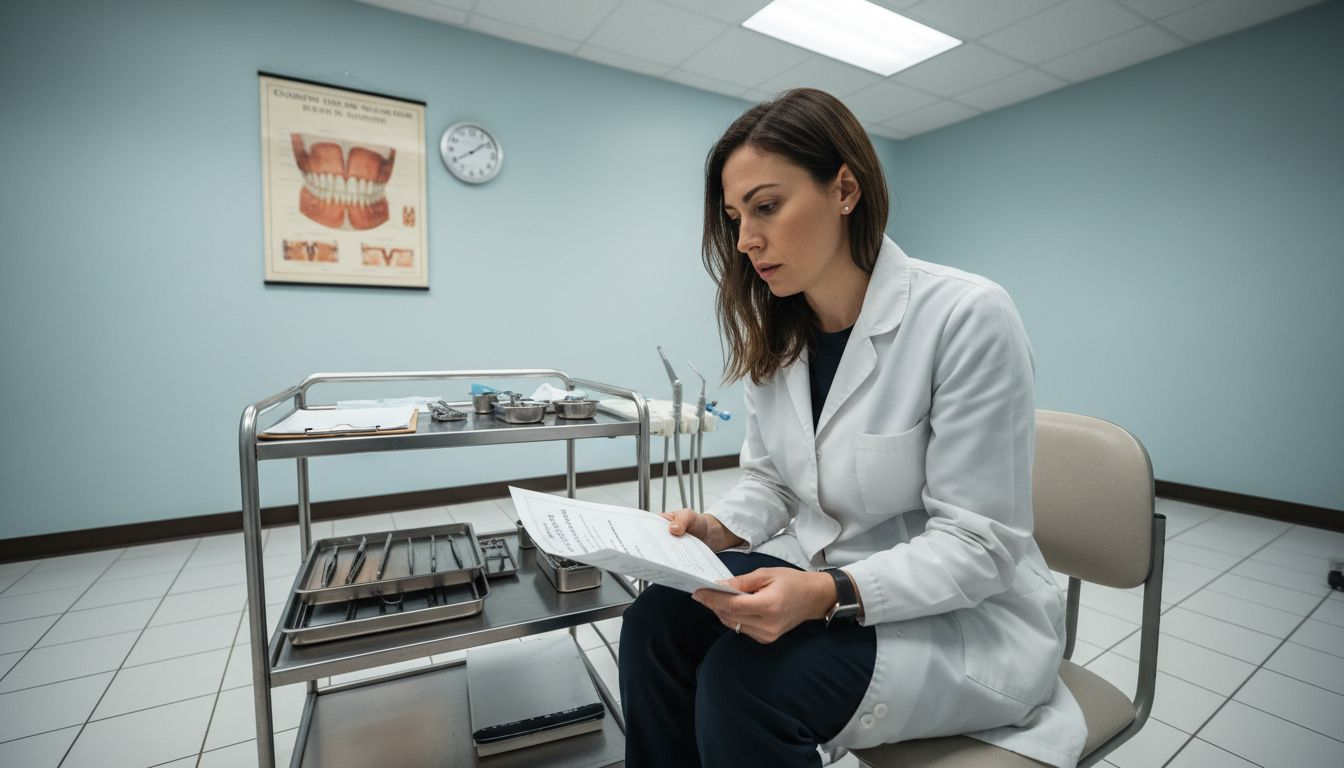
Professional memberships significantly influence licensure and professional mobility, with some states recognizing verified credentials as a pathway to practice authorization. These affiliations reflect not just professional achievements, but also a sustained commitment to ongoing education, ethical practice, and maintaining cutting-edge knowledge in dental healthcare.
Pro tip: Request to see a dentist’s board certification documents and professional membership certificates during your initial consultation to verify their qualifications and specialized expertise.
Here’s how board certification and professional memberships contribute to dental practice success:
| Attribute | Board Certification | Professional Memberships |
|---|---|---|
| Validates Advanced Skills | Yes—through examination | Sometimes via peer review |
| Promotes Lifelong Learning | Required for renewal | Offers continuing education |
| Enhances Patient Trust | Official public listings | Association endorsements |
Why Accredited Training Ensures Patient Safety
Accredited dental training represents a comprehensive quality assurance system that directly protects patient safety by establishing rigorous educational standards and comprehensive competency requirements. This systematic approach ensures that dental professionals receive thorough, evidence-based education that prepares them to deliver exceptional and safe healthcare services across diverse clinical scenarios.
Key components of accredited training that enhance patient safety include:
- Standardized Curriculum: Consistent, comprehensive educational requirements
- Evidence-Based Techniques: Modern, scientifically validated treatment protocols
- Clinical Competency Verification: Rigorous skills assessment and validation
- Ethical Practice Standards: Strong emphasis on professional conduct
- Continuous Quality Monitoring: Regular program reviews and updates
The Commission on Dental Accreditation ensures comprehensive educational standards, verifying that training programs provide evidence-based education necessary for safe and effective dental care. This meticulous accreditation process directly contributes to maintaining high-quality patient care by establishing clear benchmarks for professional education and skill development.
Accreditation supports consistent quality across educational institutions, protecting patients by guaranteeing that licensed dentists have undergone thorough and standardized training. These comprehensive requirements help minimize variability in professional competence and ensure that every accredited dental professional meets stringent national standards.
Pro tip: Always confirm a dental professional’s training credentials by verifying their educational institution’s accreditation status through official professional organizations.
Risks Of Unverified Or Misleading Credentials
Unverified or misleading dental credentials represent a significant threat to patient safety, potentially exposing individuals to substandard care, medical complications, and unnecessary health risks. The absence of proper credential verification can create dangerous scenarios where patients unknowingly receive treatment from practitioners lacking essential skills, training, or legal authorization to practice dentistry.
Critical risks associated with unverified credentials include:
- Compromised Patient Safety: Increased likelihood of medical errors
- Legal Vulnerability: Limited recourse for medical malpractice
- Potential Health Complications: Improper treatment techniques
- Financial Risk: Unnecessary or incorrect medical procedures
- Ethical Violations: Breach of professional standards and trust
Unverified dental credentials pose significant patient safety risks, including potential transmission of infections, lack of accountability, and increased probability of medical complications. Unlicensed practitioners often operate without the comprehensive training required to deliver safe, effective dental care, creating substantial risks for unsuspecting patients.
Dentists must strictly comply with licensure laws to protect patient safety and avoid legal consequences. Misleading or false credentials can result in severe disciplinary actions, civil liabilities, and professional sanctions that not only harm the practitioner but potentially compromise patient well-being.
Pro tip: Always verify a dental professional’s credentials through official state licensing boards and professional organizations before scheduling any medical procedures.
Trust Verified Dental Credentials for Your Highest Quality Care
Understanding the importance of dental credentials is essential to ensuring your safety and peace of mind during treatment. Many patients worry about receiving care from professionals whose qualifications are unverified or misleading. At DentalAteliers.com, led by Dr. Kunal Narang in Lynnwood, WA, we address these concerns head-on by showcasing verified credentials, board certifications, and accredited training that guarantee expert care across services like implant dentistry, root canals, and cosmetic treatments.
Experience the confidence that comes from knowing your dentist meets rigorous licensing and specialty standards. Our patient-centered approach combined with a warm, comfortable environment featuring amenities like TVs and noise-canceling headphones helps ease anxiety while providing transparent information such as procedure details and pricing. Learn more about our credentials and comprehensive services on our main landing page.

Choose dental care that prioritizes your health and trust. Visit DentalAteliers.com today to explore our expert qualifications, read patient success stories, and easily schedule your new patient appointment. Take the important first step toward safe, advanced dental care with confidence now.
Frequently Asked Questions
What are dental credentials?
Dental credentials are professional qualifications that demonstrate a dentist’s education, training, and expertise, including degrees like DDS or DMD, state licensure, and board certifications.
Why is it important to verify a dentist’s credentials?
Verifying a dentist’s credentials ensures that they possess the necessary qualifications and expertise to provide safe and effective dental care, which is crucial for patient safety.
What is the difference between a DDS and a DMD?
Both DDS (Doctor of Dental Surgery) and DMD (Doctor of Dental Medicine) represent equivalent degrees earned by dentists and qualify them to practice dentistry, though their curriculum may differ slightly in focus.
How does board certification impact a dentist’s practice?
Board certification indicates that a dentist has completed advanced training and has passed rigorous examinations in a specialty area, signifying a higher level of expertise and commitment to patient care.
Recommended
- Dentist Qualifications Explained: What Patients Need to Know | The Dental Atelier
- Role of Continuing Education in Dentistry Explained | The Dental Atelier
- Role of Dental Hygiene – Impact on Lifelong Oral Health | The Dental Atelier
- Dental Specialties: Why Expert Care Matters | The Dental Atelier
- Trusted Toongabbie Dentist for All Your Dental Care Needs - Paynless Dental Clinic

.svg)