
Most American adults avoid going to the dentist because of anxiety or bad past experiences. For many Lynnwood residents, finding dental care that feels both advanced and genuinely patient-centered is a real challenge. When your comfort and emotional well-being matter as much as expert treatment, you need practices that go beyond the basics, welcoming you with thoughtful amenities and open, respectful communication. If you’re searching for a better approach to dental visits, modern patient-centered care can make the experience much less stressful.
Table of Contents
- Defining Patient-Centered Dental Care Principles
- Personalization in Treatment and Communication
- Comfort Amenities and Anxiety-Reducing Features
- Shared Decision-Making and Patient Rights
- Comparing Patient-Centered and Traditional Care
Key Takeaways
| Point | Details |
|---|---|
| Patient-Centered Care Importance | This approach prioritizes individual patient experiences, transforming clinical interactions into collaborative partnerships between patients and providers. |
| Personalization In Dental Care | Effective treatment requires understanding each patient’s unique psychosocial background to tailor comprehensive treatment strategies. |
| Comfort Amenities Role | Creating a soothing dental environment with comfort features significantly reduces patient anxiety and enhances overall satisfaction. |
| Shared Decision-Making | Empowering patients in treatment planning fosters autonomy and strengthens their involvement in their healthcare journey. |
Defining Patient-Centered Dental Care Principles
Patient-centered dental care represents a transformative approach to healthcare delivery that prioritizes individual patient experiences and preferences. At its core, this model shifts traditional clinical interactions from a purely medical transaction to a comprehensive, collaborative partnership between dental professionals and patients. Patient-centered care principles fundamentally recognize that effective treatment extends beyond technical medical interventions.
The key principles of patient-centered dental care encompass several critical dimensions. These include respecting patient preferences, providing transparent information, ensuring emotional support, facilitating family involvement, maintaining continuity of care, and prioritizing physical comfort. Rather than treating teeth in isolation, this approach considers the entire biopsychosocial context of a patient’s oral health. Dental professionals practicing this model actively engage patients in shared decision making, tailoring treatments to individual needs, values, and personal health goals.
Implementing patient-centered care requires significant systemic shifts in dental practice. Healthcare systems must create environments that support personalized interactions, invest in staff training focused on communication and empathy, and develop infrastructure that allows more flexible, individualized treatment approaches. This means moving beyond standardized protocols to recognize each patient’s unique background, anxieties, and specific oral health requirements.
Pro tip: When selecting a dental practice, ask about their patient-centered care approach and request a consultation that allows you to discuss your personal health goals and concerns before any treatment begins.
Personalization in Treatment and Communication
Personalization in dental care represents a sophisticated approach that goes far beyond traditional clinical interactions. Patient-centered treatment models recognize that each patient arrives with unique biological, psychological, and social characteristics that profoundly influence their dental experience. This nuanced understanding transforms dental care from a standardized procedure to a deeply individualized health journey.
Effective personalization requires dental professionals to develop multifaceted communication strategies. This means actively listening to patient concerns, acknowledging emotional states, and creating treatment plans that address not just dental problems, but underlying anxieties and personal health goals. Comprehensive patient care integrates psychosocial factors like dental phobia, economic constraints, and personal preferences into a holistic treatment approach. Dentists must become skilled interpreters of both clinical symptoms and patient narratives, translating medical expertise into compassionate, tailored recommendations.
The practical implementation of personalized dental care involves several key strategies. These include conducting comprehensive initial consultations that explore patients’ medical history, emotional background, and specific health objectives. Dental professionals should utilize adaptive communication techniques, adjusting their language, explanation depth, and interaction style to match each patient’s comprehension level and emotional comfort. Advanced practices might incorporate technologies like digital communication platforms, patient education resources, and flexible scheduling options that accommodate individual patient needs.
Pro tip: Before your next dental appointment, prepare a brief personal health narrative that includes your dental history, current concerns, and specific goals to help your dentist create a truly personalized treatment plan.
Comfort Amenities and Anxiety-Reducing Features
Modern dental practices recognize that physical environment and patient experience are critical components of effective healthcare delivery. Dental anxiety management strategies have evolved dramatically, transforming clinical spaces from intimidating medical settings to welcoming, supportive environments designed to reduce patient stress and promote emotional well-being. This holistic approach acknowledges that a patient’s psychological state significantly impacts their ability to receive necessary dental treatments.

Comfort amenities play a crucial role in creating a soothing dental experience. These may include noise-canceling headphones to block clinical sounds, comfortable chairs with adjustable positioning, weighted blankets for sensory comfort, and strategically placed digital displays offering calming visual content. Physical comfort techniques extend beyond physical environment to include comprehensive pain management approaches such as advanced local anesthesia methods, sedation options, and gentle procedural techniques that minimize patient discomfort.
Psychological support represents another essential dimension of anxiety reduction. Dental professionals are increasingly trained in communication strategies that help patients feel heard, respected, and in control. This might involve providing clear explanations about procedures, offering patients breaks during treatments, allowing them to signal discomfort, and creating personalized coping strategies. Some practices even offer pre-treatment consultations specifically designed to understand and address individual patient anxieties, demonstrating a commitment to compassionate, patient-centered care.
Below is a summary of key patient-centered comfort amenities and their patient impact:
| Amenity or Feature | What It Provides | Patient Benefit |
|---|---|---|
| Noise-canceling headphones | Reduces exposure to clinical sounds | Lowers anxiety and stress |
| Adjustable chairs | Customizable seating comfort | Enhances relaxation |
| Weighted blankets | Sensory calming effect | Promotes emotional security |
| Digital calming displays | Visual distraction during treatment | Distracts and soothes patients |
| Flexible scheduling | Accommodates patient preferences | Boosts satisfaction and comfort |
Pro tip: Request a preliminary consultation with your dental office to discuss your specific anxiety triggers and develop a personalized comfort plan before any scheduled procedure.
Shared Decision-Making and Patient Rights
Shared decision-making represents a fundamental transformation in dental healthcare, shifting from a traditionally paternalistic model to a collaborative partnership between patients and dental professionals. Shared decision-making principles emphasize patient autonomy, ensuring individuals have meaningful opportunities to participate actively in their treatment planning. This approach recognizes that patients are experts in their own lived experiences, values, and health preferences, and should be integral partners in determining their care strategy.
The implementation of effective shared decision-making requires robust communication infrastructure and specialized training for dental professionals. This involves developing comprehensive patient education materials, creating interactive consultation processes, and cultivating communication skills that enable complex medical information to be explained clearly and compassionately. Patient-centered care attitudes demonstrate that empathy and transparent communication are critical in building trust and facilitating genuine patient involvement. Dental practices must create environments where patients feel empowered to ask questions, express concerns, and contribute meaningfully to their treatment decisions.
Patient rights within this model extend beyond mere information sharing to include genuine respect for individual autonomy, informed consent, and personalized care planning. This means dental professionals must go beyond legal compliance, actively engaging patients in discussions about treatment options, potential risks and benefits, alternative approaches, and long-term health implications. The goal is to create a collaborative relationship where patients feel respected, heard, and actively involved in their healthcare journey, transforming the traditional power dynamics of medical interactions.
Pro tip: Prepare a list of questions and concerns before your dental consultation to ensure you actively participate in shared decision-making and fully understand your treatment options.
Comparing Patient-Centered and Traditional Care
Patient-centered dental care models represent a profound shift from traditional disease-focused approaches, transforming healthcare delivery from a purely clinical transaction to a holistic, personalized experience. While traditional care primarily concentrates on diagnosing and treating specific dental conditions through standardized protocols, patient-centered care recognizes individuals as complex beings with unique emotional, psychological, and physical needs that extend far beyond their immediate dental symptoms.

Traditional dental care typically follows a provider-driven model where dentists make unilateral decisions based on clinical observations, often presenting patients with predetermined treatment plans. In contrast, patient-centered approaches emphasize collaborative decision-making, actively involving patients in understanding their oral health and co-designing treatment strategies. Dentist-patient relationship dynamics fundamentally change under this model, shifting from a hierarchical interaction to a partnership where patient preferences, values, and lived experiences are considered equally important as clinical expertise.
The differences between these care models extend to multiple dimensions of healthcare delivery. Traditional approaches often prioritize efficiency and standardization, while patient-centered care focuses on individualized experiences, emotional support, and comprehensive well-being. This means patient-centered practices invest significantly more time in communication, patient education, and creating supportive environments that address psychological barriers to dental care. Key distinctions include more comprehensive initial consultations, flexible treatment options, transparent information sharing, and proactive anxiety management techniques that recognize patients as active participants rather than passive recipients of medical interventions.
Here’s how patient-centered and traditional dental care approaches differ:
| Dimension | Patient-Centered Care | Traditional Care |
|---|---|---|
| Decision-Making | Collaborative and value-driven | Provider-driven, unilateral decisions |
| Communication Style | Empathetic, transparent, two-way | Clinician-focused, directive |
| Treatment Planning | Personalized to patient needs | Standardized, protocol-based |
| Anxiety Management | Proactive support, comfort focus | Often minimal or routine |
| Role of Patient | Active participant, co-designer | Passive recipient |
Pro tip: During your next dental consultation, ask specific questions about how the practice incorporates patient-centered care principles to understand their approach to personalized treatment.
Experience True Patient-Centered Dental Care with Comfort and Confidence
If you are seeking dental care that truly respects your personal preferences and eases your anxiety you have found the right place. The article highlights the importance of patient-centered principles such as shared decision-making and comfort amenities that transform dental visits into supportive and personalized experiences. At DentalAteliers.com, Dr. Kunal Narang and his team in Lynnwood, WA focus on these exact priorities by offering advanced amenities like noise-canceling headphones and TVs to help you relax. They listen to your concerns and create treatment plans tailored to your unique goals.
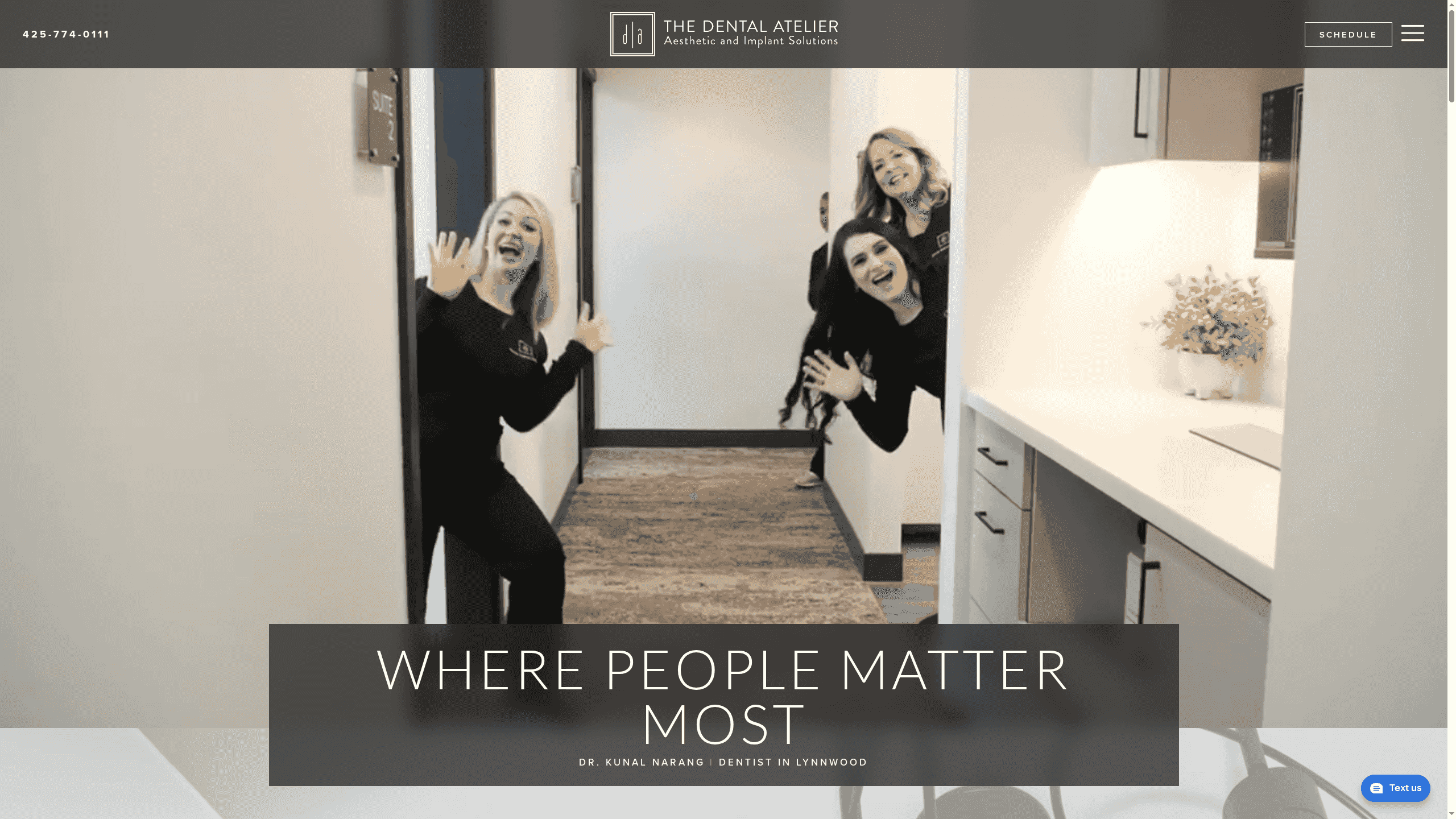
Discover how a welcoming atmosphere combined with expert care improves outcomes and turns dental anxiety into comfort. Visit DentalAteliers.com to explore their comprehensive services including same-day crowns and All-on-4 implants. Take the first step toward dental care that centers on you by requesting your personalized consultation today and experience the difference that patient-centered dental care makes.
Frequently Asked Questions
What is patient-centered dental care?
Patient-centered dental care is an approach that prioritizes individual patient experiences and preferences, transforming traditional clinical interactions into a collaborative partnership between dental professionals and patients.
How does patient-centered care improve comfort during dental visits?
Patient-centered care enhances comfort by creating a supportive environment that includes amenities like noise-canceling headphones and adjustable chairs, along with effective anxiety management strategies and personalized communication.
What are key principles of patient-centered dental care?
Key principles include respecting patient preferences, providing transparent information, ensuring emotional support, involving family, maintaining continuity of care, and tailoring treatments to individual needs and values.
How does shared decision-making benefit patients in dental care?
Shared decision-making empowers patients by allowing them to actively participate in their treatment planning, ensuring their preferences and experiences are respected as part of the decision-making process.
Recommended
- Role of Technology in Dental Care—Transforming Patient Experience | The Dental Atelier
- Why Dental Aesthetics Matter for Everyday Life | The Dental Atelier
- Sedation Dentistry Explained: Comfort, Types, and Costs | The Dental Atelier
- Patient Reviews in Dentistry – How They Build Trust | The Dental Atelier

.svg)