
Sensitive teeth and missing dental structures can turn everyday moments in Lynnwood into sources of stress, especially when anxiety around dental procedures lingers. Restorative dentistry combines advanced expertise and specialized techniques to help you regain oral comfort and confidence, from simple fillings to more complex solutions like dental implants. Discover how these personalized approaches, including the use of innovative bioactive materials, can transform your experience and deliver lasting results while prioritizing gentle care.
Table of Contents
- What Restorative Dentistry Involves and Means
- Main Types of Restorative Dental Treatments
- How Restorative Procedures Work Step by Step
- Comparing Restorative and Cosmetic Dentistry
- Costs, Risks, and Long-Term Patient Benefits
Key Takeaways
| Point | Details |
|---|---|
| Comprehensive Approach | Restorative dentistry focuses on repairing function and aesthetics, addressing complex oral health issues. |
| Diverse Treatment Options | Treatments range from fillings to dental implants, tailored to individual patient needs and preferences. |
| Minimally Invasive Techniques | Modern methods prioritize preserving natural tooth structure while achieving long-lasting results. |
| Long-term Benefits | Investments in restorative dentistry lead to improved oral functionality, enhanced aesthetics, and overall quality of life. |
What Restorative Dentistry Involves and Means
Restorative dentistry represents a comprehensive approach to repairing and rehabilitating dental structures, focusing on restoring both function and aesthetics. This specialized field goes beyond simple tooth repair, encompassing advanced techniques that address complex oral health challenges. Restorative dental procedures involve intricate treatments designed to repair damaged teeth, replace missing structures, and ultimately improve patient comfort and well-being.
The primary objectives of restorative dentistry include:
- Repairing teeth damaged by decay or trauma
- Replacing missing tooth structures
- Restoring proper bite alignment
- Improving overall oral functionality
- Enhancing aesthetic appearance of teeth
Professional restorative dentists utilize advanced biomaterials and cutting-edge technologies to achieve these goals. These specialized treatments range from simple fillings to complex full-mouth reconstructions, addressing patient needs with precision and expertise. Innovative bioactive materials play a crucial role, interacting positively with biological tissues to support healing and regeneration.
The scope of restorative dentistry is extensive, covering procedures such as dental crowns, bridges, implants, and dentures. Each treatment is carefully customized to address individual patient requirements, considering factors like tooth structure, overall oral health, and aesthetic preferences. Modern restorative techniques prioritize minimally invasive approaches that preserve as much natural tooth structure as possible while delivering long-lasting, functional results.

Pro tip: Always consult with a specialized restorative dentist to understand the most appropriate treatment options for your specific dental needs.
Main Types of Restorative Dental Treatments
Restorative dentistry encompasses a wide range of treatments designed to repair, replace, and revitalize dental structures. Dental restoration techniques vary from simple interventions to complex surgical procedures, each tailored to address specific oral health challenges and patient needs.
The primary types of restorative dental treatments include:
- Dental Fillings: Used to repair minor cavities and tooth damage
- Dental Crowns: Protective caps that cover and strengthen weakened teeth
- Dental Bridges: Prosthetic devices that replace missing teeth by spanning gaps
- Dental Implants: Surgically placed posts that support artificial tooth structures
- Dental Sealants: Protective coatings applied to prevent tooth decay
Each treatment option serves a unique purpose in maintaining and restoring oral health. Direct restorations like fillings are minimally invasive procedures that address small areas of damage, while indirect restorations such as crowns and bridges require more extensive preparation and custom fabrication. Dental implants represent the most advanced solution for tooth replacement, providing a permanent and stable foundation for artificial teeth.
Here’s a comparison of common restorative dental treatments by their typical duration, complexity, and suitability:
| Treatment Type | Typical Duration | Complexity Level | Best Suited For |
|---|---|---|---|
| Dental Fillings | 30-60 minutes | Low | Small cavities and minor cracks |
| Dental Crowns | 2-3 appointments | Moderate | Severely damaged individual teeth |
| Dental Bridges | 2-3 appointments | Moderate-High | Multiple missing adjacent teeth |
| Dental Implants | Several months | High | Long-term single tooth loss |
| Dental Sealants | 15-30 minutes | Low | Cavity prevention in healthy teeth |
Modern restorative dentistry prioritizes treatments that preserve maximum natural tooth structure while delivering functional and aesthetic improvements. Dentists carefully evaluate each patient’s specific oral health condition, considering factors like bone density, existing tooth structures, and overall health to recommend the most appropriate restorative approach.
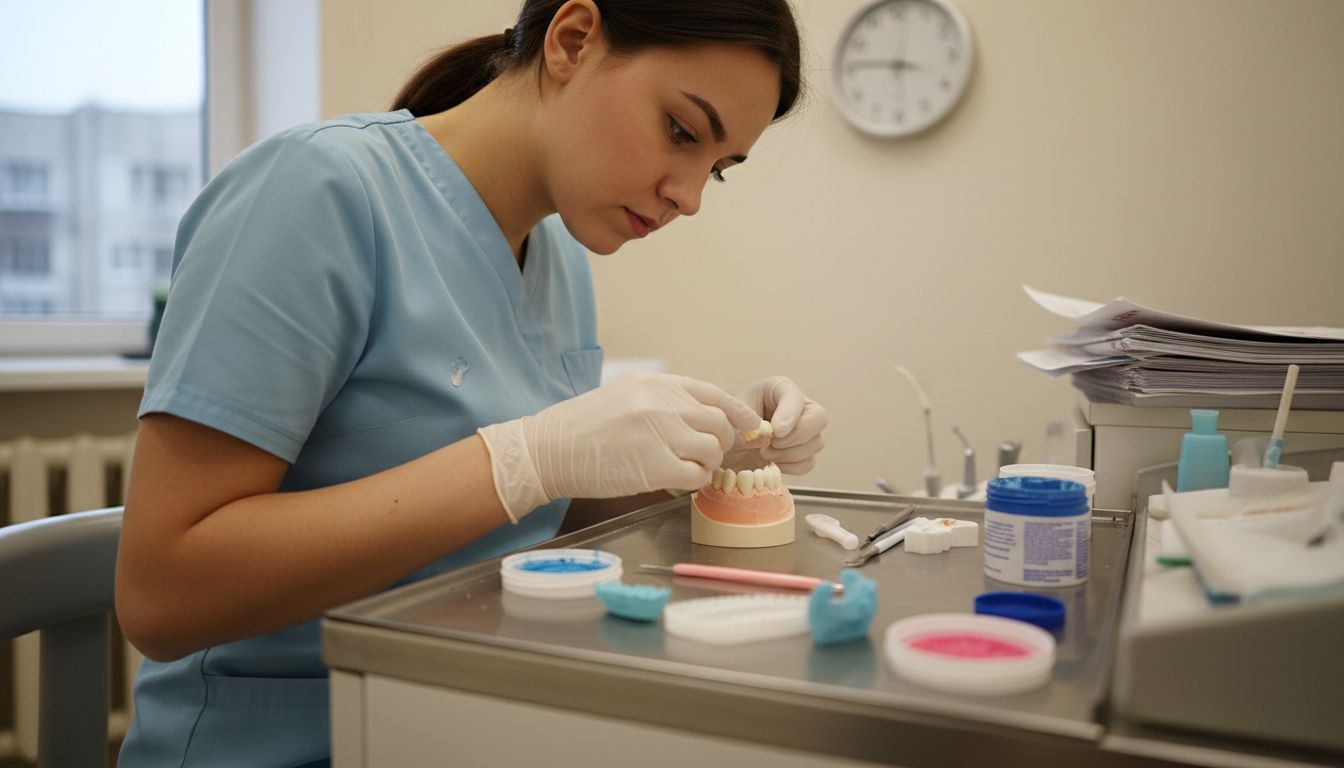
Pro tip: Consult with a professional dentist to determine the most suitable restorative treatment for your unique dental needs and health goals.
How Restorative Procedures Work Step by Step
Restorative dental procedures follow a systematic approach designed to diagnose, treat, and rehabilitate dental structures with precision and care. Comprehensive treatment strategies involve multiple carefully orchestrated stages that ensure optimal patient outcomes and long-term oral health.
The typical restorative dental procedure follows these key steps:
-
Initial Comprehensive Assessment
- Detailed oral examination
- Review of patient medical history
- Diagnostic imaging (X-rays, digital scans)
- Identification of specific dental issues
-
Treatment Planning
- Discussing potential restoration options
- Explaining procedure details and expected outcomes
- Obtaining patient consent
- Developing personalized treatment strategy
-
Tooth Preparation
- Removing decayed or damaged tooth structures
- Cleaning and sterilizing treatment area
- Preparing surface for restoration
- Minimizing potential complications
Each restorative procedure requires meticulous attention to detail and a patient-centered approach. Modern dental technologies enable dentists to create highly precise, custom-fitted restorations that closely mimic natural tooth structures. Digital imaging and computer-aided design have revolutionized the process, allowing for more accurate assessments and more comfortable patient experiences.
The final stages of restorative procedures involve careful placement of dental prosthetics or materials, followed by rigorous follow-up care. Dentists typically schedule multiple appointments to ensure proper fit, functionality, and patient comfort, making ongoing communication and monitoring critical components of successful dental restoration.
Pro tip: Always maintain open communication with your dentist and follow post-procedure care instructions precisely to maximize the longevity of your dental restoration.
Comparing Restorative and Cosmetic Dentistry
Dentistry encompasses multiple specialized approaches, with restorative and cosmetic treatments serving distinct yet sometimes overlapping purposes. Dental treatment distinctions reveal critical differences in intent, methodology, and patient outcomes that are essential to understanding comprehensive dental care.
Key differences between restorative and cosmetic dentistry include:
-
Restorative Dentistry
- Focuses on repairing functional damage
- Medically necessary treatments
- Often covered by insurance
- Prioritizes health and functionality
-
Cosmetic Dentistry
- Emphasizes aesthetic improvements
- Elective procedures
- Typically not insurance-covered
- Prioritizes visual appearance
While both disciplines utilize similar advanced dental technologies, their primary objectives diverge significantly. Restorative procedures aim to rebuild tooth structure, restore bite functionality, and address medical issues like decay, injury, or structural damage. In contrast, cosmetic dentistry concentrates on enhancing smile aesthetics through treatments such as teeth whitening, veneers, and alignment corrections.
Interestingly, modern dental practices often create symbiotic approaches where restorative treatments simultaneously improve both function and appearance. A dental crown, for instance, can restore a damaged tooth’s structural integrity while also providing a more visually appealing tooth surface. This integration demonstrates the evolving nature of dental care, where medical necessity and aesthetic desires increasingly complement each other.
Pro tip: Consult with a professional dentist to understand how restorative treatments can potentially address both your functional dental needs and aesthetic preferences.
Costs, Risks, and Long-Term Patient Benefits
Restorative dental treatments represent a significant investment in personal health, involving complex considerations of financial, procedural, and long-term outcomes. Dental treatment considerations reveal that while initial costs may seem substantial, the comprehensive benefits far outweigh the immediate financial investment.
Key financial and health factors include:
-
Cost Considerations
- Varies by procedure complexity
- Influenced by geographic location
- Dependent on materials used
- Potential insurance coverage
-
Potential Risks
- Minor procedural complications
- Temporary discomfort
- Potential infection risks
- Restoration adaptation period
Procedural risks are significantly minimized by modern dental technologies and skilled professional interventions. Advanced materials and precise techniques have dramatically reduced potential complications, making restorative procedures increasingly safe and predictable. Most risks can be effectively mitigated through careful patient selection, thorough pre-treatment assessment, and rigorous clinical protocols.
The long-term benefits of restorative dentistry extend far beyond immediate treatment outcomes. Patients typically experience improved oral functionality, reduced pain, enhanced aesthetic appearance, and increased overall quality of life. By addressing dental issues proactively, individuals can prevent more extensive and expensive treatments in the future, ultimately saving both financial resources and potential physical discomfort.
This summary highlights key long-term benefits of restorative dentistry, beyond immediate repair:
| Benefit | Impact on Patient Well-being | Example Outcome |
|---|---|---|
| Improved chewing ability | Enables more comfortable eating | Enjoyment of diverse foods |
| Lower risk of complications | Reduces future dental issues | Prevents shifting and bone loss |
| Boosted self-confidence | Enhances smile esthetics | Willingness to smile socially |
| Financial savings | Avoids costly later treatments | Fewer emergencies, lower expenses |
Pro tip: Always discuss comprehensive treatment costs, potential risks, and expected long-term benefits with your dental professional before proceeding with any restorative procedure.
Restore Your Smile with Expert Care at DentalAteliers
Struggling with damaged or missing teeth can affect more than just your smile It compromises your comfort your ability to eat and your overall confidence This article highlights how restorative dentistry can transform dental health and comfort by repairing and replacing tooth structures using advanced treatments like crowns implants and bridges. At DentalAteliers in Lynnwood WA Dr Kunal Narang and his team focus on personalized restorative solutions designed to improve function and aesthetics while preserving as much natural tooth structure as possible

Experience the benefits of state-of-the-art restorative dentistry combined with a patient-centered approach that truly cares about your comfort and long-term health Discover detailed treatment options including same-day crowns, All-on-4 implants, and full-arch zirconia restorations all delivered in a welcoming environment enhanced by amenities like TVs and noise-canceling headphones. Take the first step toward lasting dental wellness with trusted expertise and transparent care at DentalAteliers.com where your smile’s restoration begins. Schedule your consultation today and embrace a healthier more confident smile with Dr Narang’s expert team.
Frequently Asked Questions
What is restorative dentistry?
Restorative dentistry focuses on repairing and rehabilitating damaged or missing dental structures to restore function and aesthetics. It includes procedures like fillings, crowns, bridges, implants, and dentures.
How do restorative dental procedures work?
Restorative procedures typically involve an initial assessment, treatment planning, tooth preparation, and placement of dental materials or prosthetics, ensuring optimal fit and function for the patient.
What are the main types of restorative dental treatments?
The main types of restorative treatments include dental fillings for minor cavities, crowns for damaged teeth, bridges for multiple missing teeth, implants for long-term tooth replacement, and sealants for cavity prevention.
What are the benefits of restorative dentistry?
Restorative dentistry provides improved oral functionality, enhanced aesthetics, reduced risk of future dental issues, and increased confidence, ultimately leading to a better quality of life.
Recommended
- Role of Technology in Dental Care—Transforming Patient Experience | The Dental Atelier
- Patient-Centered Dental Care – Impact on Comfort and Outcomes | The Dental Atelier
- Why Dental Aesthetics Matter for Everyday Life | The Dental Atelier
- Role of Cosmetic Dentistry – Enhancing Health and Confidence | The Dental Atelier

.svg)