
Over half of American adults admit they feel anxious about visiting the dentist, with many Lynnwood residents believing that dental hygiene visits can be skipped until pain appears. Dental anxiety and cost worries often stand in the way of preventive care, yet regular appointments make a huge difference in spotting silent issues before they spiral. This guide shares what truly happens during dental hygiene visits, uncovers common misconceptions, and highlights how consistent care can keep your smile healthy and affordable.
Table of Contents
- Dental Hygiene Visits: Definition And Misconceptions
- Types Of Dental Hygiene Appointments Explained
- How Dental Hygiene Visits Maintain Oral Health
- Common Procedures During A Hygiene Visit
- Patient Responsibilities And Cost Factors
- Risks Of Skipping Hygiene Visits
Key Takeaways
| Point | Details |
|---|---|
| Importance of Dental Hygiene Visits | Dental hygiene visits are crucial for preventing dental diseases, as they allow for early detection and intervention of potential issues. |
| Types of Appointments | Dental hygiene appointments are customized based on individual needs, ranging from routine cleanings to specialized treatments. |
| Patient Responsibilities | Patients must engage in good home care, report their health history accurately, and keep regular appointments to ensure effective dental hygiene. |
| Consequences of Skipping Visits | Neglecting dental hygiene visits can lead to serious health issues beyond oral problems, impacting overall health and well-being. |
Dental hygiene visits: definition and misconceptions
A dental hygiene visit represents a professional preventive health service focused on thoroughly examining, cleaning, and maintaining oral health. Unlike common misconceptions, these visits are not simply optional checkups but critical interventions designed to detect and address potential dental issues before they escalate into more serious conditions. Regular dental examinations help patients understand their unique oral health landscape and proactively manage potential risks.
Many Lynnwood residents mistakenly believe dental visits are only necessary when experiencing pain or visible problems. However, numerous oral health conditions like cavities and gum disease develop silently, often without immediate symptoms. Dental professionals can identify early warning signs of potential issues through comprehensive screenings that go far beyond surface-level examinations. These visits typically include professional teeth cleaning, detailed oral examinations, x-rays, and personalized recommendations for maintaining optimal oral hygiene.
Key misconceptions about dental hygiene visits include believing that brushing and flossing alone are sufficient for maintaining oral health. While personal hygiene practices are crucial, professional dental visits provide specialized care that home routines cannot replicate. Dental hygienists use professional-grade tools to remove tartar buildup, check for early signs of decay, screen for potential oral cancers, and provide targeted advice tailored to individual patient needs.
Pro tip: Schedule your dental hygiene visit every six months, even if you feel perfectly healthy, to catch potential issues before they become expensive or painful problems.
Types of dental hygiene appointments explained
Dental hygiene appointments are not one-size-fits-all procedures but rather specialized services tailored to individual oral health needs. Dental hygiene visits encompass multiple types of clinical interventions designed to address specific oral health conditions and preventive care requirements. These appointments range from routine maintenance to more intensive therapeutic treatments, ensuring comprehensive oral health management for patients.
The most common types of dental hygiene appointments include:
- Routine Prophylaxis Cleaning: Standard cleaning for patients with generally healthy teeth and gums
- Gross Debridement: Comprehensive cleaning for patients with significant plaque and tartar buildup
- Scaling and Root Planing: Deep cleaning procedure for patients with advanced gum disease
- Periodontal Maintenance: Specialized care for patients with a history of gum disease
Professional dental hygienists customize appointments based on individual risk factors, oral health status, and specific treatment goals. These personalized visits may include additional preventive services such as fluoride treatments, dental sealants, oral cancer screenings, and detailed patient education about maintaining optimal oral hygiene.
Beyond cleaning, dental hygiene appointments serve as critical diagnostic opportunities. Hygienists thoroughly examine teeth, gums, and surrounding oral structures, looking for early signs of potential issues like cavities, gum inflammation, or emerging dental problems. This proactive approach allows for early intervention, potentially preventing more complex and expensive treatments in the future.
Pro tip: Discuss your complete medical history and any medications with your dental hygienist to ensure the most accurate and personalized oral health assessment.
How dental hygiene visits maintain oral health
Dental hygiene visits play a critical role in maintaining comprehensive oral health by addressing issues that cannot be resolved through routine home care. These professional interventions go beyond simple cleaning, providing a multifaceted approach to preventing dental diseases and maintaining overall oral wellness. Professional hygienists use specialized tools and techniques to remove stubborn plaque, tartar, and bacteria that standard brushing and flossing cannot effectively eliminate.
The maintenance process during dental hygiene visits involves several key components:
- Thorough Cleaning: Removing hardened plaque and tartar buildup
- Preventive Treatments: Applying fluoride and protective sealants
- Early Disease Detection: Screening for cavities, gum inflammation, and potential oral health issues
- Personalized Education: Providing targeted advice on home oral care techniques
Regular dental visits support long-term oral and systemic health by enabling early intervention and preventing the progression of potential dental conditions. These comprehensive assessments help identify subtle changes in oral health that patients might not notice, allowing for proactive treatment and management of emerging issues. By catching and addressing problems in their initial stages, dental hygiene visits can prevent more extensive and expensive treatments in the future.
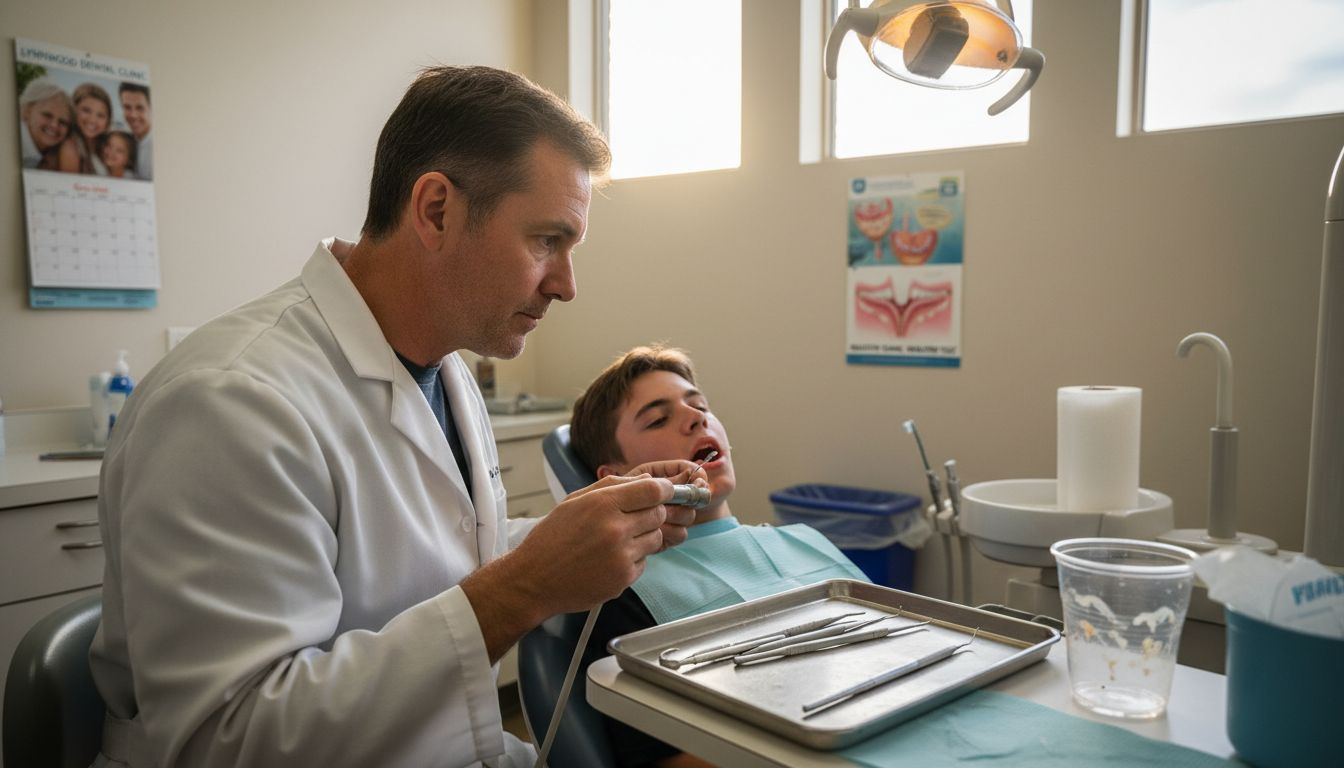
Moreover, these visits contribute to overall health beyond just oral care. Dental professionals can detect early signs of systemic conditions like diabetes, cardiovascular issues, and nutritional deficiencies through comprehensive oral examinations. This holistic approach transforms dental hygiene visits from simple cleaning appointments to critical health monitoring sessions that support total body wellness.
Pro tip: Keep a detailed log of any oral health changes or concerns between visits to provide your dental hygienist with comprehensive information during your appointment.
Common procedures during a hygiene visit
Dental hygiene visits encompass a comprehensive range of professional procedures designed to maintain optimal oral health and prevent potential dental problems. These carefully structured appointments involve multiple steps that go far beyond simple teeth cleaning. Professional dental hygienists systematically assess, clean, and protect patients’ oral structures using specialized techniques and advanced tools.
The core procedures typically included in a dental hygiene visit are:
- Scaling: Removing plaque and tartar from tooth surfaces and below the gumline
- Polishing: Eliminating surface stains and creating a smooth tooth surface
- Comprehensive Oral Examination: Checking for signs of decay, gum disease, and oral abnormalities
- Periodontal Probing: Measuring pocket depths around teeth to assess gum health
- Preventive Treatments: Applying fluoride or dental sealants to protect against cavities
Professional dental hygienists follow standardized clinical protocols that ensure thorough and systematic oral health assessments. These protocols include detailed oral cancer screenings, periodontal health evaluations, and personalized patient education. The goal extends beyond cleaning teeth to providing comprehensive preventive care that addresses individual patient needs and potential risk factors.
Additional specialized procedures may be performed based on individual patient requirements. These can include digital x-rays to detect hidden dental issues, advanced gum disease treatments, and detailed consultations about home oral hygiene practices. Dental hygienists also document any changes in oral health, track potential developing conditions, and provide tailored recommendations for maintaining optimal dental wellness between professional visits.
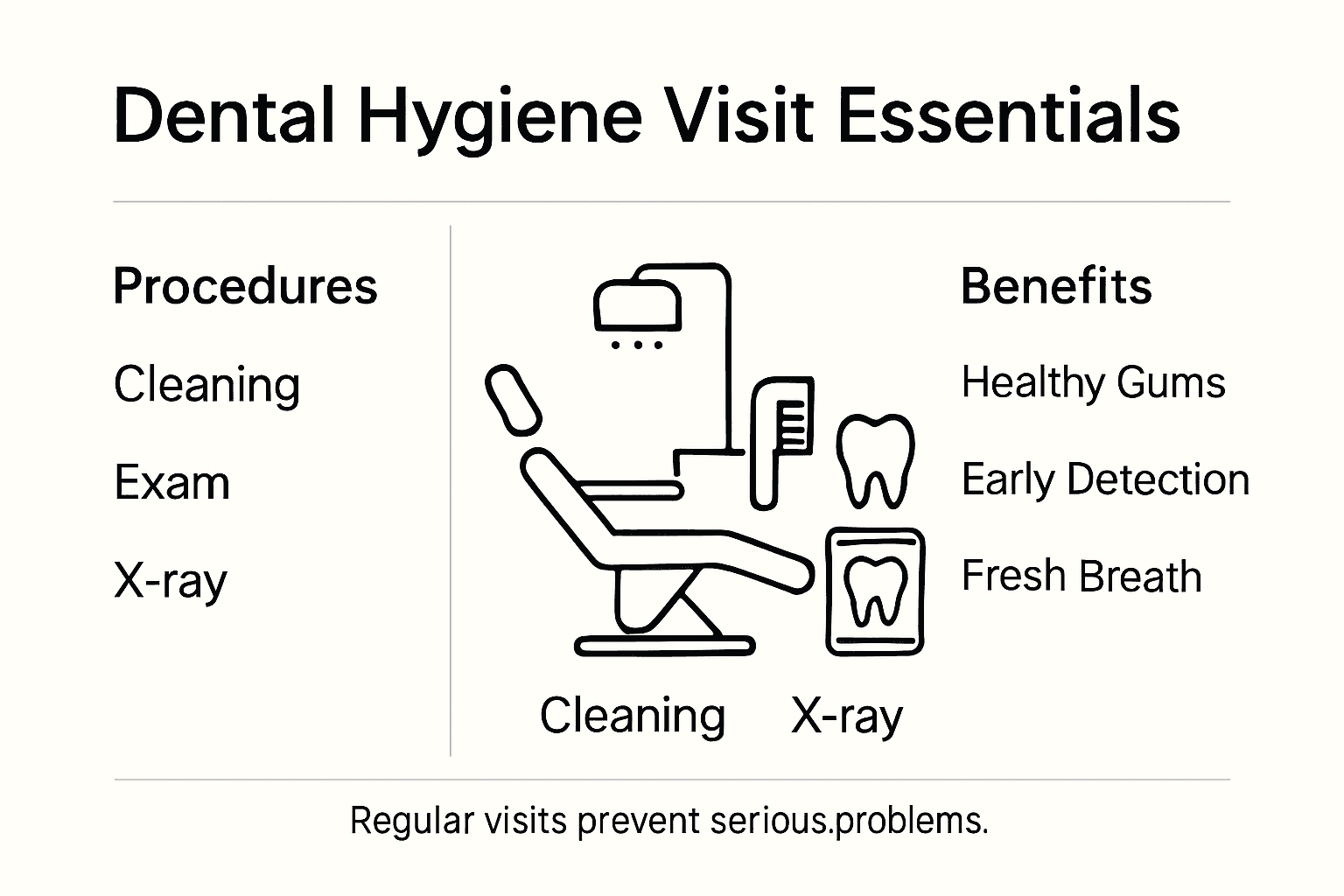
Here’s a summary of how common dental hygiene procedures contribute to oral health:
| Procedure | Purpose | Health Benefit |
|---|---|---|
| Scaling | Remove plaque and tartar | Helps prevent gum disease |
| Polishing | Smooth tooth surfaces | Reduces staining and bacteria |
| Oral Examination | Check for abnormalities | Early disease detection |
| Periodontal Probing | Assess pocket depth | Tracks gum health status |
| Preventive Treatments | Apply sealants and fluoride | Strengthens teeth, prevents decay |
Pro tip: Arrive at your dental hygiene appointment with a list of any recent changes in your health, medications, or oral symptoms to help your hygienist provide the most comprehensive care possible.
Patient responsibilities and cost factors
Patient responsibilities play a crucial role in successful dental hygiene care, extending far beyond the time spent in the dental chair. Active patient engagement involves maintaining consistent oral hygiene practices, providing comprehensive health information, and following professional recommendations. These responsibilities directly impact the effectiveness of dental treatments and long-term oral health outcomes.
Key patient responsibilities include:
- Home Care Maintenance: Consistent brushing and flossing
- Health History Reporting: Accurate and complete medical information
- Treatment Plan Adherence: Following professional recommendations
- Regular Appointment Scheduling: Maintaining recommended visit frequencies
- Lifestyle Management: Minimizing behaviors that negatively impact oral health
Dental care cost factors represent a complex landscape of financial considerations that significantly influence patient access to care. These expenses vary widely based on several critical variables, including insurance coverage, geographic location, specific service requirements, and individual patient needs. Typical cost components encompass professional fees, diagnostic procedures, preventive treatments, and potential additional interventions recommended during hygiene visits.
Insurance and financial accessibility present significant challenges for many patients. Public programs like Medicaid provide some coverage, but limitations exist. Private insurance plans offer varying levels of dental hygiene visit support, with out-of-pocket expenses often determining patient participation. Socioeconomic factors continue to create disparities in dental care access, making financial planning and understanding available resources crucial for maintaining consistent oral health.
Pro tip: Review your dental insurance coverage details annually and explore flexible spending accounts or dental discount programs to help manage potential out-of-pocket expenses.
Risks of skipping hygiene visits
Skipping dental hygiene visits creates a cascade of potential health risks that extend far beyond simple tooth decay. Dental neglect can transform minor oral health issues into complex, systemic problems that impact overall physical wellness. The seemingly innocuous decision to postpone routine dental checkups can lead to progressive and potentially irreversible health complications.
The primary risks associated with neglecting dental hygiene visits include:
- Gum Disease Progression: Untreated inflammation leading to periodontitis
- Increased Cavity Risk: Undetected decay spreading rapidly
- Bacterial Invasion: Harmful microorganisms entering the bloodstream
- Compromised Immune Response: Chronic oral inflammation weakening overall health
- Potential Systemic Health Complications: Links to cardiovascular and neurological disorders
Untreated oral health issues can trigger significant systemic health problems that extend well beyond dental concerns. Research demonstrates strong connections between poor oral hygiene and serious conditions like heart disease, stroke, diabetes complications, and even cognitive disorders such as Alzheimer’s. The mouth serves as a critical gateway for potential bacterial infections that can spread throughout the body, making regular dental visits a crucial preventive health strategy.
Beyond physical health, skipping dental hygiene visits can also impact psychological and social well-being. Oral health problems can lead to decreased self-confidence, communication challenges, and potential social stigma. Persistent dental issues might result in aesthetic concerns, speech difficulties, and reduced quality of life, underscoring the comprehensive importance of maintaining regular dental care.
Pro tip: Set automatic calendar reminders for your dental hygiene appointments and consider scheduling your next visit immediately after completing your current one to ensure consistent preventive care.
Review this comparison of dental hygiene visit frequencies and their impact:
| Visit Frequency | Disease Risk | Long-Term Cost Impact |
|---|---|---|
| Every 6 months | Lowest | Fewer costly treatments |
| Every 12 months | Moderate | Increased risk, higher costs |
| Only when symptomatic | Highest | Most expensive, advanced care needed |
Protect Your Smile with Regular Dental Hygiene Visits at Dental Ateliers
Early prevention is the key to avoiding painful and costly dental problems down the road. The article highlights the risks of skipping dental hygiene visits and how professional cleanings and screenings catch silent issues like gum disease and cavities before they worsen. If you value your oral and overall health, it is essential to invest in proactive care.
At Dental Ateliers, Dr. Kunal Narang and his team in Lynnwood, WA, deliver personalized dental hygiene visits that go beyond routine cleaning. Our welcoming office environment with advanced amenities ensures your comfort throughout each appointment. Benefit from comprehensive oral examinations, early disease detection, and expert advice tailored just for you. Learn more about how our professional dental services support long-term health and prevent serious complications.

Take charge of your oral health today by scheduling your next dental hygiene visit. Visit Dental Ateliers now to request an appointment and experience dental care designed around your needs. Don’t wait until symptoms appear. Early intervention saves smiles and improves your quality of life.
Frequently Asked Questions
What is the purpose of a dental hygiene visit?
A dental hygiene visit aims to examine, clean, and maintain oral health. It is a preventive service designed to detect and address potential dental issues before they escalate.
How often should I schedule my dental hygiene visits?
It is recommended to schedule dental hygiene visits every six months for optimal oral health, even if you feel healthy.
What procedures are typically performed during a dental hygiene visit?
Common procedures during a dental hygiene visit include scaling, polishing, comprehensive oral examinations, periodontal probing, and preventive treatments like fluoride applications.
What are the risks of skipping dental hygiene visits?
Skipping dental hygiene visits can lead to gum disease progression, increased cavity risk, bacterial invasion, compromised immune response, and potential systemic health complications, including links to heart disease and diabetes.
Recommended
- Role of Dental Hygiene – Impact on Lifelong Oral Health | The Dental Atelier
- Why Dental Checkups Matter for Lasting Oral Health | The Dental Atelier
- Why Dental Cleanings Matter for Lasting Oral Health | The Dental Atelier
- 7 Essential Steps for Your Daily Dental Hygiene Checklist | The Dental Atelier

.svg)