
Severe dental pain can disrupt even the most ordinary day for any American family in Lynnwood. When sharp discomfort strikes out of nowhere or a dental injury leaves you anxious, waiting for routine care is not an option. Emergency dentistry delivers crucial, same-day solutions to safeguard your health and restore comfort. Discover what makes swift intervention essential during dental emergencies, and learn how specialized urgent care can help residents in Lynnwood regain relief quickly.
Table of Contents
- Defining Emergency Dentistry And Core Duties
- Common Types Of Dental Emergencies Treated
- How Emergency Dental Visits Work
- Qualifications And Training For Emergency Dentists
- Costs And Insurance For Emergency Dental Care
- Avoiding Delays And Common Patient Mistakes
Key Takeaways
| Point | Details |
|---|---|
| Emergency Dentistry Defined | Emergency dentistry focuses on immediate intervention for urgent oral health issues that require swift treatment to alleviate pain and prevent complications. |
| Types of Dental Emergencies | Common emergencies include knocked-out teeth, severe toothaches, and soft tissue injuries, each requiring specific immediate responses and professional care. |
| Emergency Visit Procedures | Emergency dental visits prioritize rapid assessment and intervention, ensuring patients receive timely care for acute symptoms and develop a follow-up treatment plan. |
| Financial Considerations | Costs can vary based on treatment complexity and insurance coverage; understanding these factors can help navigate emergency dental care access effectively. |
Defining Emergency Dentistry and Core Duties
Emergency dentistry represents a specialized field focused on providing immediate professional intervention for urgent oral health complications. Unlike routine dental care, emergency dental services address sudden, painful, or potentially damaging conditions that require swift professional treatment. Dental emergencies encompass a range of urgent issues involving teeth and supporting tissues that demand prompt medical attention to prevent further damage or alleviate severe symptoms.
The core duties of an emergency dentist extend far beyond traditional dental care. These professionals are trained to rapidly diagnose and treat acute conditions such as severe tooth pain, dental trauma, unexpected infections, and critical oral injuries. Emergency dentists must possess a comprehensive understanding of oral anatomy, advanced diagnostic skills, and the ability to make quick, precise treatment decisions under high-stress circumstances. Their responsibilities include managing acute pain, preventing potential long-term complications, and stabilizing patients experiencing significant dental distress.
Critical protocols for emergency dental care involve comprehensive medical training and preparedness. Dentists must be equipped to handle medical emergencies through rigorous academic, clinical, and continuing education, ensuring they can effectively prevent, recognize, and manage unexpected situations. This training includes understanding potential respiratory and circulatory complications, managing allergic reactions, and maintaining emergency response equipment like automated external defibrillators (AEDs).
Pro Tip: Always keep your dentist’s emergency contact information readily accessible, and document any existing medical conditions that might impact emergency dental treatment.
Common Types of Dental Emergencies Treated
Dental emergencies encompass a wide range of urgent oral health conditions that require immediate professional intervention. Common dental emergencies include severe tooth trauma, sudden infections, and critical oral injuries that can significantly impact a patient’s overall health and well-being. These situations demand swift and precise medical attention to prevent long-term complications and preserve dental function.
Some of the most frequent dental emergencies treated by emergency dentists involve specific scenarios that require specialized care. Knocked-out permanent teeth represent a critical situation where immediate action can potentially save the tooth. Severe toothaches indicating potential infections, cracked or fractured teeth, lost or broken dental restorations, and acute soft tissue injuries to the lips or tongue also fall within this urgent category. Patients experiencing these conditions are advised to take preliminary measures such as rinsing the mouth, applying cold compresses, and retrieving tooth fragments while seeking immediate professional help.
Emergency dental treatments often involve complex diagnostic and intervention strategies tailored to specific conditions. For instance, a knocked-out tooth requires careful handling and rapid reimplantation within a specific timeframe, while dental abscesses might necessitate immediate drainage and antibiotic treatment. Soft tissue injuries may require suturing, and severe tooth fractures could demand immediate protective measures to prevent further damage. Understanding the nuanced approach to emergency dental care can be further explored in our detailed guide about emergency dental visit procedures.
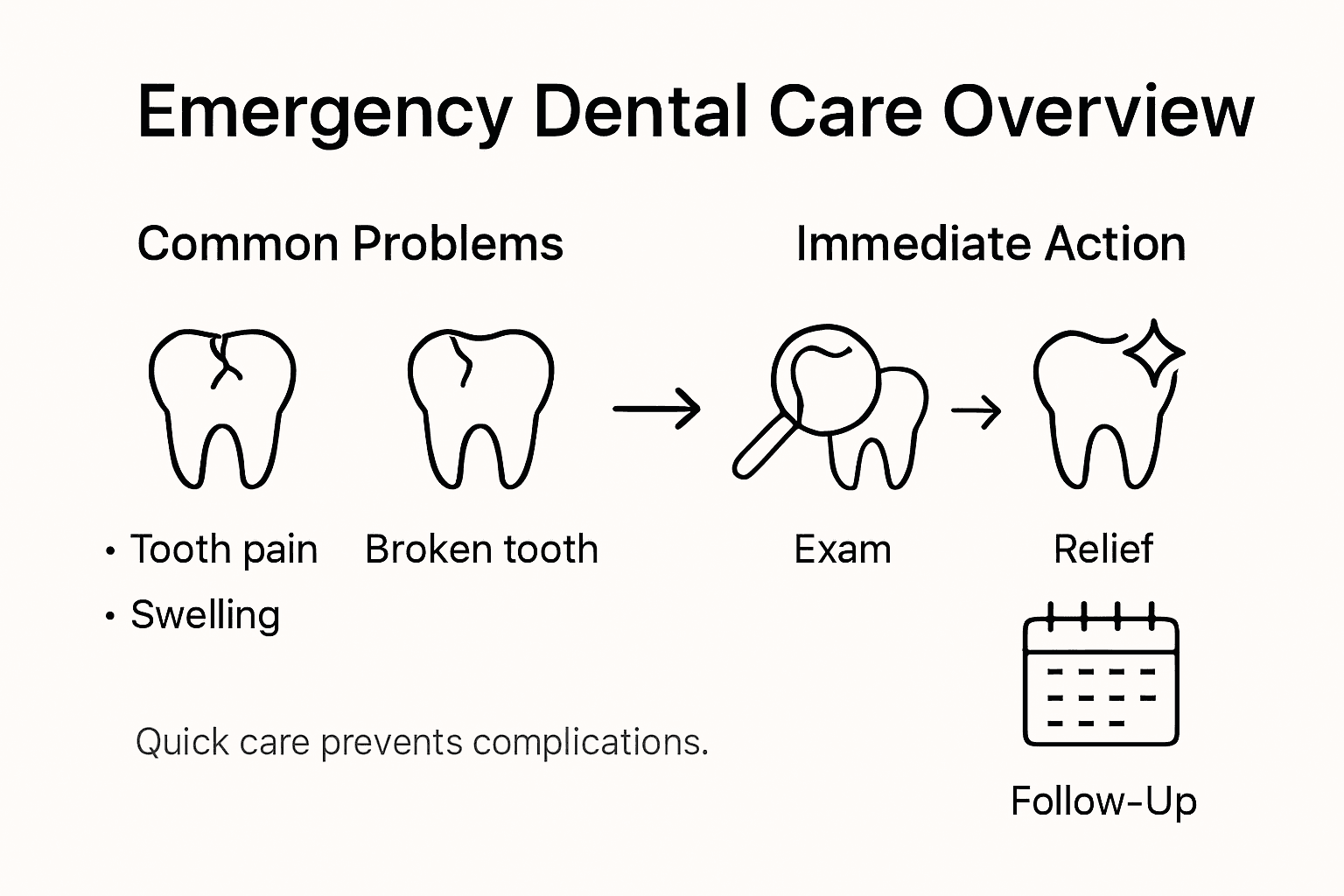
Here’s a quick comparison of common dental emergencies and their immediate response strategies:
| Emergency Type | Typical Symptoms | Immediate Response |
|---|---|---|
| Knocked-out Tooth | Sudden tooth loss, bleeding | Retrieve tooth, keep moist |
| Severe Toothache | Intense, persistent pain | Rinse mouth, use cold pack |
| Broken Restoration | Broken crown, sharp edges | Save fragment, cover with wax |
| Soft Tissue Injury | Laceration, bleeding | Rinse with saline, apply gauze |
| Dental Abscess | Swelling, pus, fever | Rinse, seek care promptly |
Pro Tip: Keep a small emergency dental kit at home containing sterile gauze, saline solution, and your dentist’s emergency contact information to ensure quick response during unexpected oral health incidents.
How Emergency Dental Visits Work
Emergency dental visits are designed to provide rapid, targeted care for urgent oral health situations. Emergency dental care is available for urgent dental problems that occur at any time, including after standard business hours, ensuring patients can receive critical treatment when unexpected dental issues arise. The primary goal is to address immediate pain, prevent further complications, and stabilize the patient’s oral health condition.
The typical emergency dental visit follows a structured approach prioritizing urgent medical needs. Patients are typically assigned based on the severity of their dental emergency, with walk-in appointments potentially accepted depending on current clinic capacity. Initial assessment involves a rapid evaluation of symptoms, including examining pain levels, potential infections, tissue damage, and immediate risk factors. Dentists conduct quick diagnostic procedures to determine the most appropriate immediate intervention, which might include temporary pain management, initial treatment, or preparing for more comprehensive follow-up procedures.

Most emergency dental visits involve a combination of immediate intervention and future treatment planning. Clinicians focus on alleviating acute symptoms, preventing further damage, and creating a comprehensive recovery strategy. Understanding how to navigate emergency dental care can be further explored in our detailed guide about handling dental emergencies at home. Potential treatments might include temporary fillings, pain management, antibiotics for infections, wound cleaning, or immediate stabilization of damaged teeth. Patients are typically counseled about follow-up care and provided with specific instructions for managing their condition between the emergency visit and subsequent treatments.
Pro Tip: Prepare a digital or physical folder with your dental history, current medications, and insurance information to expedite emergency dental visit processes and ensure more efficient care.
Qualifications and Training for Emergency Dentists
Emergency dentists undergo extensive and specialized training to prepare for urgent medical situations. Dentists receive comprehensive training through academic, clinical, and continuing education focused on preventing, diagnosing, and managing medical emergencies in dental settings. This rigorous preparation ensures they can respond quickly and effectively to unexpected and potentially life-threatening dental complications.
Board Certification represents a critical milestone in demonstrating advanced expertise beyond standard dental education, typically requiring at least two years of postgraduate training. Emergency dentists must complete specialized coursework in rapid diagnostic techniques, emergency response protocols, and advanced pain management strategies. Their training encompasses complex skills such as managing acute infections, performing immediate trauma interventions, and understanding the intricate relationships between dental emergencies and overall patient health. Certification processes involve comprehensive examinations that test both theoretical knowledge and practical clinical skills.
The qualifications for emergency dental care extend beyond traditional academic requirements. Dentists must maintain current certifications in emergency medical response, including advanced cardiac life support and pediatric emergency care. Understanding the nuanced approach to emergency dental qualifications can be further explored in our detailed guide about dentist credentials. Regular training drills, simulation exercises, and continuing education ensure that emergency dentists remain prepared for the most challenging and unpredictable medical scenarios they might encounter.
Pro Tip: Request to review your emergency dentist’s current certifications and specialized training credentials during your initial consultation to ensure comprehensive emergency care preparedness.
Costs and Insurance for Emergency Dental Care
Emergency dental care represents a significant financial consideration for many patients, with costs varying widely depending on insurance coverage and treatment complexity. Dental care use is deeply influenced by cost, with many Americans experiencing barriers to accessing timely treatment, particularly in emergency situations. The financial aspect of urgent dental care can create substantial stress for individuals facing unexpected oral health complications.
Dental insurance coverage plays a critical role in determining patient access to emergency treatments, with significant variations across different insurance plans. Patients with comprehensive dental insurance typically experience lower out-of-pocket expenses and more immediate access to emergency dental services. Uninsured patients often face higher costs and potential delays in receiving critical care, which can potentially exacerbate dental health issues. Understanding the landscape of dental insurance alternatives can help patients navigate financial challenges associated with emergency dental treatments.
Emergency dental costs can range from relatively modest fees for simple interventions to substantial expenses for complex procedures. Factors influencing pricing include the specific nature of the dental emergency, required diagnostic procedures, treatment complexity, and regional healthcare pricing variations. Many dental practices offer payment plans, financing options, and sliding scale fees to help patients manage unexpected emergency dental expenses. Patients are encouraged to discuss financial options with their dental provider before treatment to understand potential costs and explore available payment strategies.
To better understand financial preparation, here are key cost factors and their impact on emergency dental care access:
| Cost Factor | Impact on Patient Access | Example Considerations |
|---|---|---|
| Insurance Coverage | Reduces out-of-pocket expenses | Co-pays, deductibles |
| Treatment Complexity | Increases total emergency costs | Surgical vs. basic procedures |
| Payment Plan Availability | Enables care for uninsured patients | Monthly installments |
| Geographic Location | Affects average dental pricing | Urban vs. rural cost differences |
Pro Tip: Contact your dental insurance provider in advance to understand your emergency coverage details, pre-authorization requirements, and potential out-of-pocket expenses to minimize financial surprises.
Avoiding Delays and Common Patient Mistakes
Dental emergencies require swift action and informed decision-making to prevent potentially serious complications. Delays in treatment often result from patients’ lack of awareness about the seriousness of symptoms and failure to seek immediate care, creating significant risks to oral and overall health. Understanding the warning signs and appropriate response strategies can make a critical difference in managing unexpected dental health challenges.
Patient education plays a crucial role in recognizing and responding to dental emergencies effectively, with common mistakes typically stemming from misunderstanding or underestimating symptoms. Patients frequently delay seeking professional care by attempting self-treatment, ignoring persistent pain, or assuming minor discomfort will resolve independently. These approaches can lead to more complex and expensive treatments, potentially transforming a manageable issue into a significant health concern. Understanding the nuanced approach to emergency dental care can help patients navigate unexpected oral health challenges.
Critical strategies for avoiding treatment delays include developing a proactive approach to dental health. Patients should establish clear communication channels with their dental providers, maintain updated medical records, and learn to distinguish between routine discomfort and genuine emergency symptoms. Creating an emergency dental care plan, keeping contact information readily accessible, and understanding basic first-aid techniques can significantly reduce response time during urgent situations. Recognizing early warning signs such as unexplained swelling, persistent pain, sudden sensitivity, or signs of infection can prevent minor issues from escalating into serious medical complications.
Pro Tip: Create a digital and physical emergency dental care folder containing your dentist’s contact information, medical history, and basic first-aid instructions to ensure rapid and informed response during unexpected oral health incidents.
Immediate Relief Starts with Expert Emergency Dental Care
Sudden dental pain or trauma can be overwhelming and frightening. This article highlights the urgent need for quick, precise treatment from an emergency dentist who understands the complexities of severe toothaches, knocked-out teeth, and infections. Waiting too long can lead to increased pain and costly complications. If you experience intense discomfort or injury, finding a trusted provider who offers prompt, compassionate care is essential.
At DentalAteliers.com, Dr. Kunal Narang and his Lynnwood, WA team specialize in delivering immediate relief and comprehensive emergency dental solutions. Their patient-centered practice combines advanced expertise with a welcoming environment designed to ease your anxiety during stressful moments. From pain management to stabilizing dental trauma, they provide clear treatment plans tailored to your needs.

Do not let dental pain disrupt your life. Schedule an emergency visit today by visiting DentalAteliers.com to access expert care when you need it most. Learn how our team handles urgent dental problems and explore detailed treatment information to prepare for your visit through our educational articles at DentalAteliers Emergency Dental Visit Procedures. Take control of your oral health now and experience relief with trusted professionals committed to your well-being.
Frequently Asked Questions
What is considered a dental emergency?
A dental emergency includes any urgent oral health issue, such as severe tooth pain, knocked-out teeth, dental trauma, infections, or critical injuries that require immediate professional intervention.
How can I manage dental pain until I see an emergency dentist?
To manage dental pain, rinse your mouth with warm salt water, apply a cold compress to reduce swelling, and take over-the-counter pain relievers as needed. Avoid applying heat directly to the affected area.
What should I do if I have a knocked-out tooth?
If you have a knocked-out tooth, retrieve it, hold it by the crown (not the root), rinse gently if needed, and keep it moist by placing it in a glass of milk or saline solution. Seek emergency dental care immediately for the best chance of reimplantation.
Will my dental insurance cover emergency dental visits?
Many dental insurance plans provide some coverage for emergency dental visits, but the extent varies. It’s best to check your specific policy for details regarding coverage, co-pays, and any pre-authorization requirements.
Recommended
- Treating a Dental Emergency at Home Overnight: What to Know | The Dental Atelier
- Emergency Dental Visit Process: What Patients Can Expect | The Dental Atelier
- Emergency Dentist in Lynnwood, WA: Immediate Care Guide | The Dental Atelier
- | The Dental Atelier
- Is a tooth crown painful? - Albania Dental Implants

.svg)