
Many American adults avoid vital dental consultations because of anxiety and persistent myths, even as modern care offers more comfortable, tailored experiences. For residents in Lynnwood, finding a trusted dental team that understands unique fears and expectations can make all the difference. By shedding light on what true dental consultations involve and clearing up common misconceptions, this guide helps Lynnwood locals take the first step toward advanced, compassionate cosmetic and restorative solutions.
Table of Contents
- Defining Dental Consultations And Common Myths
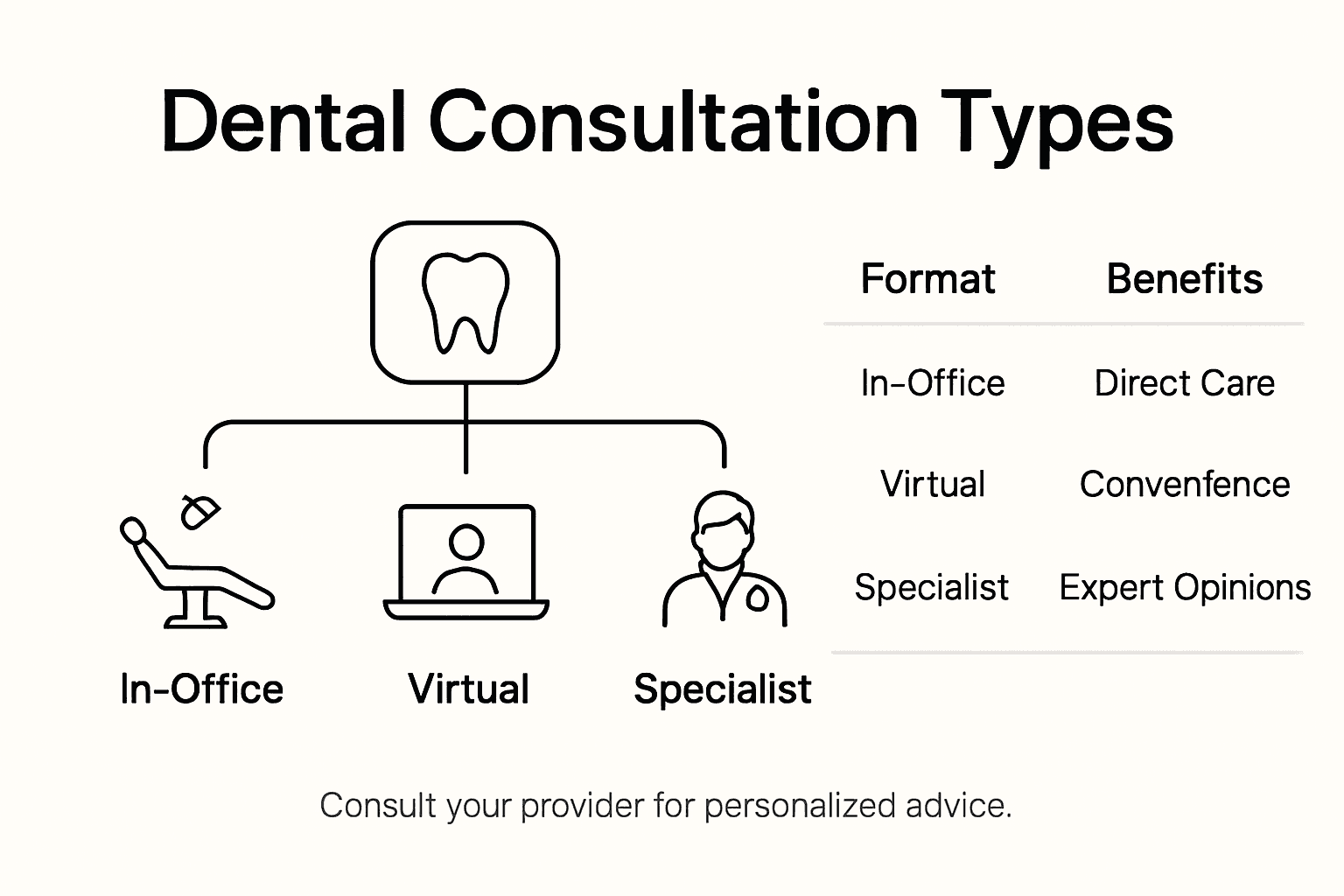
- Types Of Dental Consultations: In-Office, Virtual, And Specialist
- Steps And Features Of A Dental Consultation
- Patient Communication And Personalized Treatment Planning
- Costs, Insurance, And Risks Associated
- Comparing Consultations With Other Dental Visits
Key Takeaways
| Point | Details |
|---|---|
| Comprehensive Assessments | Dental consultations involve thorough evaluations beyond routine checkups, focusing on personalized treatment strategies and early detection of oral health issues. |
| Variety of Formats | Available consultation formats include in-office, virtual, and specialist visits, catering to diverse patient needs and preferences. |
| Effective Communication | Clear patient communication is essential, emphasizing patient education and collaborative decision-making in treatment planning. |
| Financial Awareness | Patients should review insurance coverage, understand cost implications, and discuss potential risks before initiating dental treatments. |
Defining Dental Consultations and Common Myths
Dental consultations represent more than just routine medical appointments they are comprehensive evaluations designed to assess and protect oral health. Cultural beliefs and misconceptions about dental care often prevent patients from seeking timely professional interventions, creating significant barriers to maintaining optimal oral wellness.
Traditionally, dental consultations involve a systematic process where dental professionals conduct thorough examinations, discuss patient medical histories, and develop personalized treatment strategies. These initial assessments go far beyond simple tooth inspections, encompassing detailed evaluations of gum health, bite alignment, potential disease risks, and comprehensive oral healthcare planning. Modern dental consultations integrate advanced diagnostic technologies, allowing practitioners to identify potential issues before they become complex health challenges.
Numerous myths persist that discourage patients from scheduling regular dental consultations. International research has consistently revealed how deeply embedded misconceptions impact healthcare utilization, particularly surrounding dental procedures. Common myths include beliefs that dental visits are only necessary when experiencing pain, that professional cleanings are optional, or that dental consultations are inherently uncomfortable or invasive. These misconceptions can lead patients to delay critical preventative care, potentially transforming minor issues into significant health complications.
Pro Tip for Patient Preparation: Before your dental consultation, compile a comprehensive list of your current medications, recent health changes, and specific oral health concerns to ensure a thorough and productive appointment.
Key Points About Dental Consultations:
- Comprehensive health assessment beyond surface examination
- Personalized treatment strategy development
- Early detection of potential oral health issues
- Integration of advanced diagnostic technologies
- Patient education and preventative care focus
Types of Dental Consultations: In-Office, Virtual, and Specialist
Modern dental care has evolved to offer multiple consultation formats, each designed to meet unique patient needs and preferences. Technological advancements have transformed traditional consultation models, creating flexible approaches that prioritize patient convenience and comprehensive healthcare delivery.
In-office consultations remain the gold standard for comprehensive dental evaluations, allowing practitioners direct physical access for thorough examinations. These traditional appointments enable dentists to perform detailed oral assessments, conduct hands-on diagnostic procedures, and provide immediate, personalized treatment recommendations. Specialist consultations within clinical settings are particularly crucial for complex dental conditions requiring advanced expertise, such as orthodontic interventions, periodontal treatments, or oral surgical procedures.
Virtual consultations have emerged as a significant innovation in dental healthcare, especially following recent global healthcare shifts. Comparative research demonstrates the growing effectiveness of remote dental consultation models, which can include synchronous video appointments or asynchronous image and information exchanges. These digital interactions are particularly beneficial for initial assessments, follow-up appointments, and preliminary screenings, offering patients greater flexibility and reducing potential barriers to accessing professional dental guidance.
Specialist Consultation Types:
- Orthodontic consultations
- Periodontal evaluations
- Oral surgical assessments
- Pediatric dental screenings
- Cosmetic dentistry consultations
Pro Tip for Consultation Selection: Evaluate your specific dental needs, time constraints, and comfort level when choosing between in-office and virtual consultations, ensuring you select the most appropriate format for your individual health requirements.
Here’s how different types of dental consultations compare in terms of approach and patient benefit:
| Type of Consultation | Approach | Typical Use Case | Patient Benefit |
|---|---|---|---|
| In-Office | Physical examination by dentist | Complex diagnostics, treatments | Immediate care, thorough assessment |
| Virtual | Remote video or image sharing | Initial screening, follow-up | Convenience, faster access |
| Specialist | Advanced expertise for specific needs | Orthodontics, surgery, pediatrics | Targeted solutions, expert advice |
Steps and Features of a Dental Consultation
Dental consultations represent a structured healthcare interaction designed to comprehensively assess and address patient oral health needs. The ultimate guide to dental consultation procedures highlights the critical importance of a systematic approach that transforms patient experiences from routine checkups into personalized healthcare journeys.
A typical dental consultation involves several key stages, beginning with patient record review and medical history documentation. During this initial phase, dental professionals carefully examine previous dental records, assess existing health conditions, and discuss any current symptoms or concerns. Advanced diagnostic tools like digital X-rays, intraoral cameras, and comprehensive screening technologies enable practitioners to conduct thorough examinations that go beyond traditional visual inspections, providing detailed insights into potential oral health challenges.
The consultation process typically progresses through distinct stages, each designed to ensure comprehensive patient care and understanding. These stages include initial assessment, diagnostic procedures, treatment planning, and patient education. Practitioners aim to create a transparent, collaborative environment where patients feel empowered to ask questions and actively participate in their oral healthcare decisions. Communication becomes a critical component, with dentists explaining findings, potential treatment options, and long-term health implications in clear, accessible language.
Key Components of a Dental Consultation:
- Comprehensive medical history review
- Detailed oral health examination
- Advanced diagnostic imaging
- Personalized treatment recommendations
- Patient education and guidance
Pro Tip for Patient Preparation: Compile a complete list of current medications, recent health changes, and specific oral health concerns before your dental consultation to ensure a thorough and productive appointment.
Patient Communication and Personalized Treatment Planning
Effective patient communication represents the cornerstone of successful dental care, transforming traditional healthcare interactions into collaborative health management partnerships. Advanced technology continues to reshape patient experiences by enabling more transparent, comprehensive, and personalized treatment approaches that prioritize individual patient needs and preferences.

Personalized treatment planning requires a multifaceted approach that goes beyond standard diagnostic protocols. Dental professionals must carefully synthesize patient medical histories, current oral health assessments, lifestyle factors, and individual risk profiles to develop targeted, holistic treatment strategies. This comprehensive methodology involves detailed discussions about potential interventions, expected outcomes, potential challenges, and long-term health implications, ensuring patients become active participants in their oral healthcare journey.
Modern dental communication emphasizes transparency, empowerment, and patient education. Practitioners utilize advanced visual tools, digital imaging, and interactive consultation techniques to help patients understand their oral health status, treatment recommendations, and potential preventative strategies. By breaking down complex medical information into accessible language and providing clear visual explanations, dentists can help patients make informed decisions about their dental care, reducing anxiety and increasing treatment compliance.
Key Elements of Effective Patient Communication:
- Clear, jargon-free explanations
- Visual diagnostic demonstrations
- Comprehensive treatment option discussions
- Personalized risk assessment
- Collaborative decision-making approach
Pro Tip for Patient Engagement: Always ask your dental professional to explain complex medical terms, potential treatment risks, and expected outcomes in straightforward language to ensure complete understanding of your personalized care plan.
Costs, Insurance, and Risks Associated
Navigating dental care expenses requires a comprehensive understanding of complex financial landscapes and potential healthcare risks. Global systematic reviews reveal significant variations in dental care cost structures, highlighting the importance of patients understanding potential financial implications before initiating treatment.
Dental insurance coverage represents a critical factor in managing healthcare expenses, with policies varying dramatically across different providers and plans. Patients must carefully examine their specific insurance terms, understanding coverage limitations, potential out-of-pocket expenses, and reimbursement mechanisms. Some dental procedures might be classified as preventative, diagnostic, or elective, each carrying different cost-sharing responsibilities that can significantly impact overall financial planning.
Beyond direct financial considerations, dental consultations involve inherent medical risks that patients should understand and evaluate. Potential risks can include minor complications from diagnostic procedures, temporary discomfort during treatments, and rare but possible infection risks. Professional dental practitioners mitigate these risks through rigorous sterilization protocols, comprehensive patient screening, and transparent communication about potential procedural outcomes. Modern dental practices prioritize patient safety by utilizing advanced technologies and maintaining strict clinical standards that minimize potential medical risks.
Key Financial and Risk Considerations:
- Comprehensive insurance policy review
- Understanding procedure classification
- Identifying potential out-of-pocket expenses
- Evaluating treatment risk profiles
- Exploring alternative payment options
Dental Insurance Terms Explained provides additional insights into navigating complex insurance landscapes.
Pro Tip for Financial Planning: Request a comprehensive treatment cost estimate and detailed insurance coverage breakdown before scheduling any dental procedures to avoid unexpected financial surprises.
Here is a summary of key factors influencing dental consultation costs and insurance considerations:
| Financial Factor | Impact on Patient | Tips to Manage |
|---|---|---|
| Procedure Type | Determines cost liability | Clarify with provider before visit |
| Insurance Coverage | Limits or covers expenses | Review your policy in advance |
| Out-of-Pocket Costs | Varies with coverage and treatment | Request itemized estimates |
| Risk Profile | May affect recommended treatments | Discuss risks with your dentist |
Comparing Consultations With Other Dental Visits
Dental consultations represent a unique and comprehensive healthcare interaction that differs significantly from routine dental visits or standard medical examinations. Comparative research across European healthcare systems reveals nuanced distinctions in how patients approach and experience different types of dental interactions, highlighting the specialized nature of comprehensive consultations.
Dental consultations distinguish themselves from routine dental checkups through their holistic and investigative approach. While standard dental cleanings focus primarily on immediate oral hygiene and surface-level interventions, consultations involve detailed health assessments, medical history reviews, and comprehensive diagnostic evaluations. Systematic reviews demonstrate that comprehensive consultations contribute substantially to long-term oral health outcomes, providing patients with more than just immediate treatment recommendations.
The primary differences between dental consultations and other dental visits include depth of assessment, duration of interaction, and strategic health planning. Routine dental cleanings typically last 30-45 minutes and concentrate on preventative maintenance, whereas consultations can extend 60-90 minutes and involve sophisticated diagnostic technologies, personalized treatment strategizing, and in-depth patient education. These extended interactions allow dental professionals to develop nuanced understanding of individual patient health trajectories, risk factors, and potential intervention strategies.
Key Distinctions Between Dental Visits:
- Comprehensive health assessment
- Extended consultation duration
- Advanced diagnostic techniques
- Personalized treatment planning
- Holistic health perspective
Pro Tip for Patient Preparation: Schedule comprehensive dental consultations annually, treating them as strategic health planning sessions rather than standard maintenance appointments.
Discover How Personalized Dental Consultations Can Transform Your Oral Health
Dental consultations are the cornerstone of effective dental care. This article highlights the critical need for comprehensive evaluations, clear communication, and personalized treatment planning to prevent minor issues from becoming serious health complications. At DentalAteliers.com, we understand that each patient’s oral health journey is unique. Our patient-centered approach led by Dr. Kunal Narang in Lynnwood, WA, offers advanced diagnostic technologies and tailored treatment options including implant dentistry, same-day crowns, and Invisalign designed to meet your specific needs.
Take control of your oral health today by scheduling a detailed consultation with our experienced team. Benefit from a warm, welcoming environment where your concerns are heard and addressed with transparency and expertise. Visit DentalAteliers.com now to learn more about our services and book your appointment. Don’t wait until discomfort strikes; invest in your long-term smile health and experience the difference of personalized dental care.
Frequently Asked Questions
What is a dental consultation?
Dental consultations are comprehensive evaluations conducted by dental professionals to assess and protect oral health. They involve detailed examinations, discussions of medical histories, and the development of personalized treatment plans.
Why are regular dental consultations important?
Regular dental consultations are essential for early detection of potential oral health issues, personalized treatment strategies, and comprehensive patient education, which can prevent minor issues from becoming major complications.
How do in-office and virtual dental consultations differ?
In-office consultations provide hands-on, comprehensive assessments and immediate treatment recommendations, while virtual consultations offer flexible, remote evaluations that can be beneficial for initial screenings and follow-ups.
What should I expect during a dental consultation?
During a dental consultation, you can expect a thorough medical history review, detailed oral health examination, use of advanced diagnostic tools, and personalized treatment recommendations, alongside patient education regarding your oral health.
Recommended
- Role of Technology in Dental Care—Transforming Patient Experience | The Dental Atelier
- Role of Dental Hygiene – Impact on Lifelong Oral Health | The Dental Atelier
- Role of Continuing Education in Dentistry Explained | The Dental Atelier
- 7 Common Dental Procedures Everyone Should Know About | The Dental Atelier
- Is it ever too late for dental work? - Albania Dental Implants

.svg)