
Feeling anxious before a dental appointment can make routine checkups feel overwhelming. When fear or stress takes over, you might find yourself putting off important dental care and risking your oral health. The struggle to stay comfortable and in control at the dentist is something many people know all too well.
The good news is there are several proven ways to make dental visits less intimidating and more manageable. Whether your anxiety comes from past experiences or just the thought of a procedure, you can find practical solutions that match your comfort level. These approaches are backed by research and help break the cycle of avoidance, so you get the care you need without unnecessary stress.
Get ready to discover seven insightful strategies that could transform how you handle your next dental visit. From gentle sedation techniques to open communication with your dentist, you’ll find options that put your well-being first and empower you to take charge of your dental experience.
Table of Contents
- Understanding Dental Anxiety and Its Impact
- Nitrous Oxide: Gentle Relaxation for Mild Anxiety
- Oral Sedation: Simple Pill for Stress-Free Visits
- IV Sedation: Deep Calming for Extensive Procedures
- General Anesthesia: Maximum Comfort for Severe Anxiety
- Local Anesthesia with Comfort Enhancements
- How to Discuss Sedation Needs With Your Dentist
Quick Summary
| Takeaway | Explanation |
|---|---|
| 1. Identify Your Dental Anxiety Triggers | Keeping a journal of your dental triggers helps create a personalized comfort plan with your dentist. |
| 2. Consider Nitrous Oxide for Mild Anxiety | Nitrous oxide is a quick and effective sedation method that helps patients remain conscious while reducing anxiety during treatments. |
| 3. Use Oral Sedation for Stress-Free Visits | Taking prescribed anti-anxiety medications before your appointment can significantly lower anxiety levels for dental procedures. |
| 4. Discuss IV Sedation for Extensive Procedures | IV sedation provides deep relaxation with real-time control, ideal for complex dental work requiring patient cooperation. |
| 5. Prepare for Your Sedation Consultation | Gather your medical history and specific anxieties to ensure a tailored sedation experience during your dental visit. |
1. Understanding Dental Anxiety and Its Impact
Dental anxiety is a profound psychological barrier that prevents millions of patients from receiving essential oral healthcare. This complex emotional response can transform routine dental visits into overwhelming experiences of fear and stress.
Research indicates that dental anxiety is a widespread phenomenon, affecting up to 15% of populations worldwide. The roots of this anxiety often stem from multiple sources: traumatic childhood experiences, genetic predispositions, and previous negative dental encounters.
The consequences of dental anxiety extend far beyond simple nervousness. Patients experiencing high levels of anxiety frequently avoid dental appointments, leading to compounded oral health problems. When routine check-ups and preventive treatments are postponed, minor issues can escalate into significant medical complications.
Psychological research suggests that dental anxiety emerges through several interconnected mechanisms. Past traumatic experiences create deep psychological imprints that trigger intense emotional responses. These responses can include physical symptoms like increased heart rate, sweating, and even panic attacks when contemplating dental procedures.
Understanding the multifaceted nature of dental anxiety is crucial for both patients and dental professionals. Cognitive behavioral therapy has demonstrated promising results in reducing anxiety through targeted interventions, helping patients develop healthier coping strategies and more positive dental experiences.
Pro tip: Keep a journal documenting your dental anxiety triggers to help your dentist create a personalized comfort plan that addresses your specific fears.
2. Nitrous Oxide: Gentle Relaxation for Mild Anxiety
Nitrous oxide emerges as a gentle yet powerful solution for patients experiencing dental anxiety. Often called laughing gas, this sedation method provides a remarkably effective approach to creating a calm dental experience.
The sedation technique involves inhaling a carefully controlled mixture of nitrous oxide and oxygen, which produces a relaxed state without rendering patients fully unconscious. Inhalation sedation demonstrates high patient satisfaction across diverse dental procedures, making it an increasingly popular choice for managing mild to moderate anxiety.
Unlike more invasive sedation methods, nitrous oxide offers several unique advantages. Patients remain conscious and responsive during treatment, allowing for real time communication with dental professionals. The gas works quickly to reduce anxiety, providing almost immediate calming effects that help patients feel more comfortable in the dental chair.
Medical research confirms the safety and reliability of nitrous oxide sedation. The sedation method requires maintaining oxygen concentrations above 30% and involves continuous patient monitoring, ensuring a controlled and secure treatment environment. Quick onset and rapid recovery make this option particularly attractive for patients with time constraints or those seeking minimal intervention.
Pro tip: Discuss your medical history thoroughly with your dentist before nitrous oxide sedation to ensure the safest and most personalized treatment approach.
3. Oral Sedation: Simple Pill for Stress-Free Visits
Oral sedation offers anxious patients a straightforward solution to dental visit stress. With just a simple prescription medication, patients can transform their dental experience from nerve-wracking to remarkably calm.
The approach involves taking prescribed anti-anxiety medications before your dental appointment, typically benzodiazepines like midazolam or alprazolam. Oral sedation demonstrates significant anxiety reduction for patients facing challenging dental procedures.
These medications work by targeting the central nervous system, creating a relaxed state that helps patients feel more comfortable and less apprehensive. Unlike other sedation methods, oral sedation allows patients to remain conscious and responsive while feeling deeply relaxed. This means you can communicate with your dental professional throughout the procedure while experiencing minimal stress.
Patients typically take the medication approximately one hour before their scheduled appointment. The dosage is carefully calibrated based on individual factors including medical history, anxiety levels, and specific procedure requirements. This personalized approach ensures maximum comfort and safety during dental treatments.
Research confirms the effectiveness of oral sedation across various dental settings. While individual responses can vary, many patients report significantly reduced anxiety and improved overall treatment experiences. Standardized medical protocols help ensure safe and appropriate use of these medications.
Pro tip: Discuss your complete medical history and current medications with your dentist to determine the most appropriate oral sedation approach for your specific needs.
4. IV Sedation: Deep Calming for Extensive Procedures
IV sedation represents the gold standard for patients requiring complex or lengthy dental procedures. This advanced sedation technique offers unprecedented control and comfort for individuals experiencing significant dental anxiety or undergoing extensive treatments.
Intravenous sedation provides precise sedation control by delivering medication directly into the bloodstream. Unlike other sedation methods, IV sedation allows your dental professional to adjust medication levels in real time, ensuring optimal patient relaxation and cooperation throughout the procedure.
The process involves a licensed anesthesia professional administering sedative medications through an intravenous line, creating a deeply relaxed state while maintaining consciousness. Patients remain responsive but experience significantly reduced anxiety and minimal memory of the dental procedure. This approach proves particularly beneficial for individuals requiring extensive dental work such as multiple extractions, complex implant placements, or full mouth reconstructions.
Research demonstrates that IV sedation offers the fastest onset of calming effects and highest patient satisfaction compared to alternative sedation techniques. Patients can expect a controlled, monitored experience with rapid recovery times and minimal post procedure discomfort.
Critical safety protocols include comprehensive patient screening, continuous vital sign monitoring, and emergency preparedness. Your dental professional will conduct a thorough medical history review to ensure IV sedation is appropriate and safe for your specific needs.
Pro tip: Arrange for a responsible adult to accompany you and drive you home after IV sedation, as the residual effects may temporarily impact coordination and judgment.
5. General Anesthesia: Maximum Comfort for Severe Anxiety
General anesthesia represents the ultimate solution for patients experiencing extreme dental anxiety or requiring complex medical interventions. This comprehensive sedation approach provides total unconsciousness during dental procedures, ensuring maximum patient comfort and stress elimination.
Dental treatment under general anesthesia is particularly beneficial for patients with severe anxiety, intellectual disabilities, or those needing extensive dental work. The technique involves a licensed anesthesiologist administering powerful medications that induce a completely unconscious state.
Unlike other sedation methods, general anesthesia completely eliminates patient awareness during dental procedures. Patients experience zero memory of the treatment, removing psychological barriers associated with dental interventions. This approach proves especially valuable for individuals who have previously experienced traumatic dental experiences or struggle with extreme fear.
Medical professionals carefully evaluate patient health history and procedural requirements before recommending general anesthesia. The process involves comprehensive pre procedure screening, continuous monitoring by anesthesia professionals, and specialized recovery protocols to ensure patient safety.
Research demonstrates that general anesthesia allows dental professionals to complete complex treatments efficiently while providing maximum patient comfort. For patients with significant medical complexities or overwhelming dental anxiety, this approach can be a transformative solution that enables necessary dental care.
Pro tip: Schedule a comprehensive consultation with your dental professional to discuss whether general anesthesia is appropriate for your specific medical and dental needs.
6. Local Anesthesia with Comfort Enhancements
Local anesthesia has evolved dramatically, transforming from a potentially uncomfortable experience into a patient-friendly procedure. Modern dental practices now employ sophisticated techniques designed to minimize pain and maximize patient comfort.
Computer Controlled Local Anesthesia Delivery represents a groundbreaking advancement in pain management. These innovative systems allow dental professionals to administer anesthetic with unprecedented precision and control, dramatically reducing injection discomfort.
Traditional local anesthesia often triggered patient anxiety due to painful injection experiences. Now, advanced technologies like needle free devices, topical anesthetic preparations, and computer controlled delivery systems have revolutionized the approach. These techniques provide a gentler, more predictable numbing process that significantly reduces patient stress.
Key comfort enhancement strategies include using ultrafine needles, applying powerful topical numbing agents before injection, and employing slow controlled anesthetic delivery. Some modern dental offices now utilize intranasal sprays and electrical pulse technologies that can eliminate needle contact entirely.
Patients can expect a more comfortable experience with these innovative approaches. Advanced anesthetic techniques not only minimize physical discomfort but also help reduce the psychological stress associated with dental procedures.
Pro tip: Ask your dental professional about comfort enhancement options available during your specific procedure, as technologies continue to advance rapidly.
7. How to Discuss Sedation Needs With Your Dentist
Navigating sedation discussions with your dental professional requires preparation, honesty, and clear communication. Understanding how to effectively communicate your anxiety and medical history will help ensure a personalized and comfortable treatment experience.
Comprehensive medical history review forms the foundation of determining appropriate sedation options. Your dentist will want to understand your complete health background, including previous dental experiences, current medications, anxiety levels, and any medical conditions.
When preparing for your sedation consultation, gather key information about your medical history, specific anxieties, and procedural concerns. Be prepared to discuss your past dental experiences, including any traumatic encounters or specific triggers that cause you stress. The more transparent you are, the better your dental professional can tailor a sedation approach that meets your unique needs.
During the consultation, expect your dentist to ask detailed questions about your overall health, medication history, and specific procedural requirements. They will assess your sedation needs by considering anxiety severity, potential medical risks, and the complexity of the planned dental work.
Your dentist should thoroughly explain available sedation options, providing clear information about benefits, potential risks, and what you can expect during the procedure. This discussion will include preparation instructions, consent processes, and post sedation care recommendations to ensure your safety and comfort.
Pro tip: Write down your questions and concerns beforehand, and consider bringing a trusted friend or family member to help you remember important details discussed during the consultation.
Below is a comprehensive table summarizing the key information about dental anxiety and sedation approaches discussed in the article.
| Category | Description | Key Takeaways |
|---|---|---|
| Dental Anxiety | A psychological barrier causing stress, fear, and avoidance of dental care, often stemming from past experiences or predispositions. | Leads to deterioration in oral health; manageable through understanding. |
| Nitrous Oxide | Gentle sedation method using laughing gas to alleviate mild to moderate anxiety during dental visits. | Quick relaxation, patient remains conscious, safe, and rapid recovery. |
| Oral Sedation | Administration of anti-anxiety medication prior to appointments to significantly ease stress while allowing the patient to remain conscious. | Personalized dosages ensure safe and effective stress reduction. |
| IV Sedation | Delivery of sedatives via intravenous methods for precise control during complex or extended procedures. | Provides deep relaxation, fast-acting and highly adaptable to patient needs. |
| General Anesthesia | A complete sedation method creating an unconscious state for patients with extreme anxiety or requiring extensive dental work. | Eliminates awareness, suitable for significant treatments requiring full sedation. |
| Local Anesthesia | Advanced pain control technologies, enhancing comfort and efficiency during dental treatments. | Innovative tools significantly reduce patient discomfort and procedural stress. |
| Communication | Discuss anxieties, preferences, and medical history with your dentist prior to sedation planning. | Ensures tailored sedation approaches for optimal comfort and treatment outcomes. |
Find Your Calm With Personalized Sedation Options at DentalAteliers
Dental anxiety can be a real barrier to getting the dental care you need. From mild nervousness to severe fear, the article “7 Sedation Options for Anxious Patients Explained” highlights how tailored sedation methods like nitrous oxide, oral sedation, IV sedation, and even general anesthesia can transform your dental experience. If you struggle with anxiety or stress when visiting the dentist, you are not alone — and there are compassionate, effective solutions designed just for you.
At DentalAteliers.com, Dr. Kunal Narang and his team specialize in creating a warm and welcoming environment that prioritizes your comfort every step of the way. With amenities like TVs and noise-canceling headphones, plus a full range of sedation options customized to your needs, your next dental visit can finally be something you look forward to. Take control of your oral health with confidence.
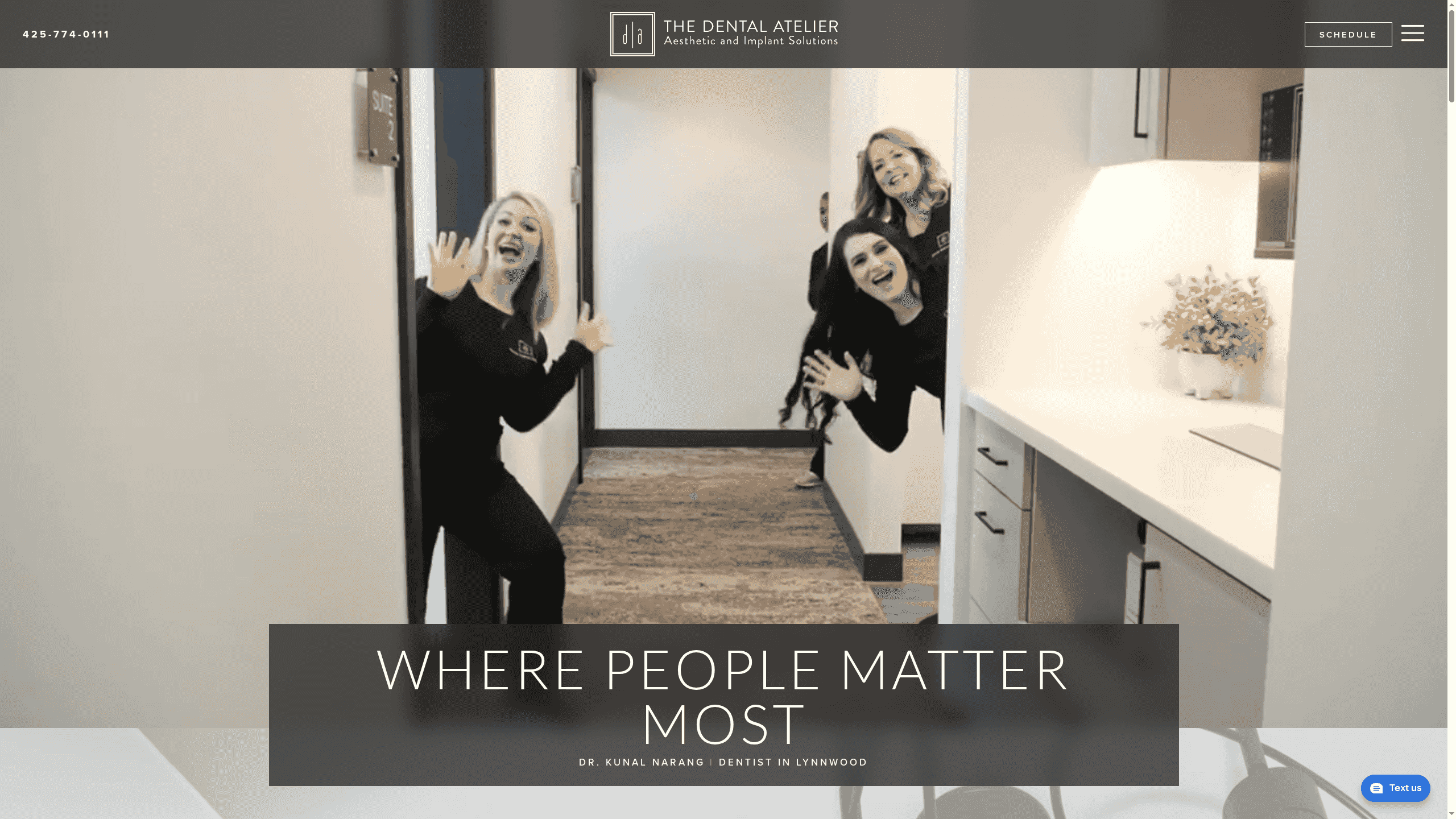
Start your journey to stress-free dental care today. Visit DentalAteliers to learn about sedation solutions and schedule your personalized consultation. Don’t let anxiety delay the smile you deserve. Reach out now and experience dental visits as they should be comfortable, safe, and tailored just for you.
Frequently Asked Questions
What is dental anxiety and how does it affect patients?
Dental anxiety is a psychological barrier that prevents many patients from receiving necessary oral care. Understanding your specific triggers and discussing them with your dentist can help you receive more personalized care and support during your visits.
What are the sedation options available for anxious dental patients?
There are several sedation methods available, including nitrous oxide, oral sedation, IV sedation, general anesthesia, and comfort-enhanced local anesthesia. Consult with your dentist to determine which option is best suited for your anxiety levels and specific dental procedures.
How should I prepare for a sedation consultation with my dentist?
Prepare for your consultation by gathering details about your medical history, any previous dental experiences, and specific anxieties related to dental care. Bringing a list of questions can help ensure a thorough discussion about your sedation needs and options.
How does nitrous oxide work for dental anxiety?
Nitrous oxide, commonly known as laughing gas, provides a gentle sedation experience that keeps patients conscious while alleviating anxiety. Discuss your medical history with your dentist to see if this option is right for you before your appointment.
What should I expect during an IV sedation procedure?
IV sedation allows for real-time adjustments of medication, providing a deeply relaxed state while keeping you conscious. Arrange for a responsible adult to accompany you home as you may experience reduced coordination afterward.
Is general anesthesia necessary for all patients with severe dental anxiety?
General anesthesia is not required for all patients and is typically reserved for those with extreme anxiety or extensive procedures. Discuss your specific situation with your dentist to see if this approach is appropriate for your needs.
Recommended
- Oral Sedation Explained: How It Eases Dental Anxiety | The Dental Atelier
- Sedation Dentistry Explained: Comfort, Types, and Costs | The Dental Atelier
- Dental Sedation Trends 2025: Easing Anxiety in Care | The Dental Atelier
- Role of Dental Sedation: Complete Patient Guide | The Dental Atelier
- Benzodiazepines - 12PanelNow | 12 Panel Drug Test | Free Shipping
- What Is Ambien? — Uses, Benefits, and Side Effects
- Stage fright: how to deal with it, and its possible benefits - TMRG Solutions

.svg)