
Living with damaged or missing teeth can make even simple moments feel stressful, from sharing a meal to smiling with confidence. For many adults in Lynnwood, WA, the search for a lasting solution leads to advanced dental care that goes beyond the basics. Prosthodontists specialize in restoring not just your smile, but also your comfort and oral function with customized treatments in a supportive, patient-centered setting. Discover how expert care can help you achieve lasting dental health and renewed self-assurance.
Table of Contents
- Defining Prosthodontists and Their Expertise
- Types of Treatments a Prosthodontist Provides
- Education, Credentials, and Training Requirements
- Comparing Prosthodontists to General Dentists
- Costs, Insurance, and Common Concerns
Key Takeaways
| Point | Details |
|---|---|
| Prosthodontist Expertise | Prosthodontists are specialized dental professionals focusing on advanced oral rehabilitation and restoration, requiring three additional years of training post dental school. |
| Comprehensive Treatments | They provide a wide range of treatments such as dental implants, crowns, and full/partial dentures, addressing complex dental challenges. |
| Credential Verification | It’s essential to verify a prosthodontist’s credentials and board certification for assurance of quality care in complex dental procedures. |
| Cost and Insurance Awareness | Patients should understand the variation in treatment costs and the limitations of dental insurance coverage to make informed financial decisions regarding prosthodontic care. |
Defining Prosthodontists and Their Expertise
Prosthodontists represent an advanced tier of dental specialists focused on comprehensive oral rehabilitation and restoration. These highly trained professionals go far beyond traditional dental care, specializing in complex treatments that address sophisticated oral health challenges. Prosthodontists are essentially the architects of dental reconstruction, designing precise solutions for patients with missing, damaged, or functionally compromised teeth.
According to the American College of Prosthodontics, prosthodontics is a specialized dental discipline dedicated to diagnosing, treating, and maintaining oral function through advanced rehabilitation techniques. Their expertise encompasses several critical areas:
- Dental implant design and placement
- Custom crown and bridge fabrication
- Full and partial denture creation
- Complex oral tissue reconstruction
- Aesthetic smile restoration
- Occlusion and bite alignment management
What distinguishes prosthodontists is their extensive educational background. Beyond standard dental school, these specialists undergo three additional years of rigorous training focused on intricate restorative procedures. This advanced education enables them to handle medically complex cases that require sophisticated treatment planning and precise technical execution.
Prosthodontists collaborate extensively with other dental and medical professionals to deliver comprehensive care. They serve as key team members in multidisciplinary treatment scenarios, particularly for patients requiring intricate oral rehabilitation after trauma, disease, or developmental conditions.
Pro tip: When seeking advanced dental restoration, always confirm a dentist’s specialized prosthodontic training and board certification to ensure the highest quality treatment outcome.
Types of Treatments a Prosthodontist Provides
Prosthodontists offer a comprehensive range of advanced dental treatments designed to restore oral function, aesthetics, and overall patient confidence. Specialized dental prosthetics treatments address complex dental challenges that go beyond standard dental care, providing patients with sophisticated solutions for missing, damaged, or compromised teeth.
The primary treatments provided by prosthodontists include:
- Dental Implants: Permanent surgical replacements for missing tooth roots
- Custom Crowns: Precision-fitted ceramic or porcelain tooth coverings
- Dental Bridges: Fixed prosthetic devices bridging gaps between teeth
- Full and Partial Dentures: Removable replacements for multiple missing teeth
- Oral Splints: Protective devices for TMJ disorders and sleep apnea
- Smile Reconstruction: Comprehensive aesthetic and functional rehabilitation
Each treatment requires meticulous planning and execution. Prosthodontists utilize advanced digital imaging, 3D modeling, and precise fabrication techniques to create prosthetics that not only look natural but also function seamlessly within a patient’s unique oral structure. Their approach goes beyond cosmetic improvement, focusing on restoring optimal bite alignment, chewing efficiency, and long-term oral health.
Beyond individual prosthetic treatments, prosthodontists frequently collaborate with other dental specialists to develop comprehensive treatment plans. They play a crucial role in cases involving complex medical histories, previous dental trauma, or intricate rehabilitation needs that require interdisciplinary expertise.

Here’s a quick overview of prosthodontic treatments, their purpose, and when each might be recommended:
| Treatment Type | Primary Purpose | Typical Use Case |
|---|---|---|
| Dental Implants | Replace missing tooth roots | Single or multiple missing teeth |
| Crowns and Bridges | Restore damaged teeth | Major tooth structure loss |
| Full/Partial Dentures | Replace several missing teeth | Multiple tooth loss, full-arch rehab |
| Oral Splints | Protect jaw/joints or airway | TMJ disorders, sleep apnea |
| Smile Reconstruction | Aesthetic and function overhaul | Severe deterioration or trauma cases |
Pro tip: Request a detailed consultation and digital imaging assessment before any major prosthodontic procedure to understand the full scope of your potential treatment plan.
Education, Credentials, and Training Requirements
Becoming a prosthodontist represents an extensive and rigorous educational journey that goes far beyond traditional dental school training. Prosthodontic postgraduate programs require a comprehensive three-year commitment to advanced clinical and academic preparation, ensuring practitioners develop exceptional expertise in dental restoration and rehabilitation.
The key educational requirements for prosthodontists include:
- Dental School Completion: Four-year doctoral degree (DDS or DMD)
- Postgraduate Prosthodontics Program: 36-month specialized training
- Clinical Residency: Intensive hands-on patient treatment experience
- Research Components: Scholarly activities and scientific investigation
- Board Certification: American Board of Prosthodontics examination
- Continuous Education: Ongoing professional development and recertification
Credentialing for prosthodontists involves multiple stringent evaluation stages. The Commission on Dental Accreditation (CODA) mandates rigorous standards that assess not just technical skills, but also comprehensive patient care capabilities, research proficiency, and advanced clinical reasoning. Candidates must demonstrate exceptional competence through written examinations, clinical performance assessments, and scholarly presentations.
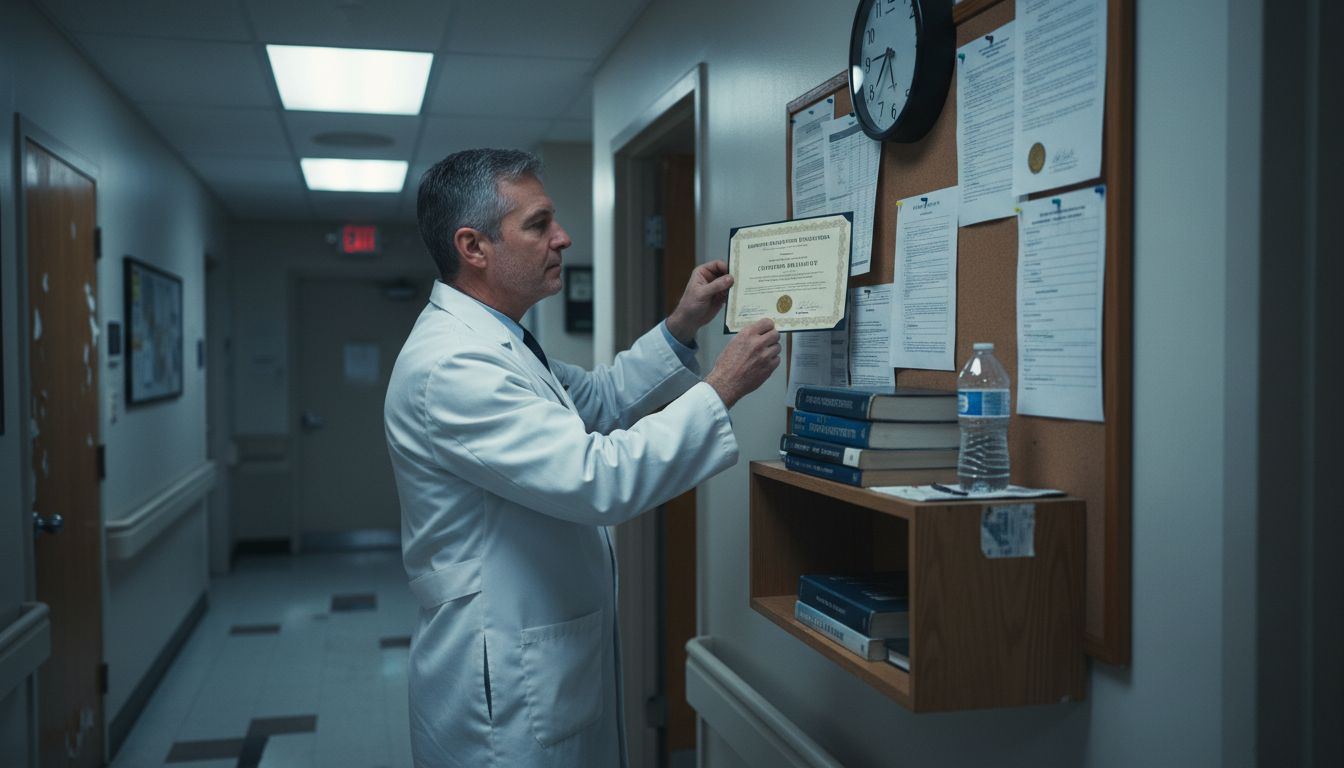
Beyond formal education, prosthodontists frequently pursue additional specializations and subspecialties. These might include maxillofacial prosthetics, implant dentistry, or complex rehabilitative techniques that require advanced technological understanding and precision surgical skills.
Pro tip: Verify a prosthodontist’s credentials by checking their certification with the American Board of Prosthodontics and requesting information about their specific postgraduate training.
Comparing Prosthodontists to General Dentists
Navigating dental care requires understanding the distinct roles of different dental professionals. Prosthodontists differ significantly from general dentists in their specialized training, expertise, and approach to complex oral health challenges.
Key differences between prosthodontists and general dentists include:
-
Scope of Practice
- General Dentists: Routine preventive and basic restorative care
- Prosthodontists: Advanced complex reconstruction and rehabilitation
-
Education Duration
- General Dentists: Four-year doctoral program
- Prosthodontists: Four-year doctoral program + three-year specialized training
-
Treatment Complexity
- General Dentists: Standard fillings, cleanings, basic procedures
- Prosthodontists: Full-mouth rehabilitation, implant design, complex prosthetics
While general dentists provide essential primary dental care, prosthodontists are essentially the specialist architects of dental reconstruction. They possess advanced training to manage severely compromised oral function, addressing intricate challenges that extend beyond standard dental treatments. Their expertise becomes crucial for patients requiring comprehensive smile restoration, complex implant work, or specialized prosthetic solutions.
Prosthodontists often serve as team leaders in multidisciplinary dental treatments, coordinating care for patients with advanced medical complexities or extensive dental reconstruction needs. They bring a holistic approach to oral health, considering not just individual teeth but overall oral function, aesthetics, and long-term patient well-being.
Below is a summary comparing prosthodontists and general dentists across key dimensions:
| Category | Prosthodontist | General Dentist |
|---|---|---|
| Training Length | 7+ years (4 yrs dental, 3+ specialty) | 4 years dental school |
| Common Procedures | Full-mouth rehab, implants, dentures | Fillings, cleanings, basic crowns |
| Patient Focus | Complex, reconstructive cases | Routine, preventive care |
| Collaboration Level | Leads multidisciplinary teams | Coordinates referrals |
Pro tip: Consider consulting a prosthodontist for complex dental issues that go beyond routine care, especially when facing significant oral rehabilitation challenges.
Costs, Insurance, and Common Concerns
Navigating the financial landscape of prosthodontic treatments requires careful understanding of dental insurance coverage options. Patients often face complex decisions about treatment costs, insurance eligibility, and out-of-pocket expenses that can significantly impact their dental care choices.
Key financial considerations for prosthodontic treatments include:
-
Treatment Cost Variations
- Simple crown: $800 - $1,500
- Dental implants: $3,000 - $6,000 per tooth
- Full mouth reconstruction: $15,000 - $45,000
-
Insurance Coverage Factors
- Percentage of covered procedures
- Annual maximum benefit limits
- Waiting periods for major treatments
- In-network versus out-of-network providers
-
Payment Strategies
- Dental insurance plans
- Flexible spending accounts (FSAs)
- Healthcare credit lines
- Dental office payment plans
Most standard dental insurance plans provide limited coverage for advanced prosthodontic procedures. Complex treatments like full-mouth rehabilitation or extensive implant work are often classified as major procedures, typically covered at 50% after deductibles. Patients should carefully review their specific insurance plans, understanding nuanced details about coverage, waiting periods, and potential out-of-pocket maximums.
Beyond traditional insurance, many prosthodontists offer comprehensive consultation services to help patients navigate financial options. These consultations can provide personalized treatment plans that balance medical necessity, aesthetic goals, and financial constraints. Patients are encouraged to discuss payment alternatives, potential phased treatments, and financing options that make advanced dental care more accessible.
Pro tip: Request a detailed treatment cost estimate and comprehensive insurance verification before beginning any major prosthodontic procedure to avoid unexpected financial surprises.
Discover Expert Prosthodontic Care Designed for Your Smile
If you are facing challenges like missing teeth, damaged dental structures, or complicated oral rehabilitation needs, understanding the role of a prosthodontist can empower you to make informed decisions about your dental health. Prosthodontists specialize in restoring function and aesthetics through advanced treatments such as dental implants, custom crowns, and full-arch restorations. At DentalAteliers, Dr. Kunal Narang and his team bring this expert prosthodontic knowledge to Lynnwood, WA, combining cutting-edge technology with a warm, patient-focused environment to ensure your comfort every step of the way.

Take control of your oral health and regain confidence with personalized prosthodontic solutions including same-day crowns and All-on-4 implants. Visit us at DentalAteliers.com to explore detailed treatment options, read patient success stories, and request your appointment online today. Your journey to a fully restored smile starts now with trusted specialists dedicated to your care.
Frequently Asked Questions
What is the role of a prosthodontist?
Prosthodontists specialize in the diagnosis, treatment, and maintenance of complex oral health issues. They focus on restoring oral function and aesthetics through advanced procedures like dental implants, crowns, bridges, and dentures.
How do prosthodontists differ from general dentists?
Prosthodontists undergo an additional three years of training beyond dental school, focusing on complex restorative techniques. In contrast, general dentists provide routine preventive care and basic dental procedures.
What types of treatments can a prosthodontist provide?
Prosthodontists offer a wide range of treatments including dental implants, custom crowns, dental bridges, full and partial dentures, oral splints, and comprehensive smile reconstruction.
How much do prosthodontic treatments typically cost?
Costs can vary substantially based on the procedure. For example, dental implants can range from $3,000 to $6,000 per tooth, while a full mouth reconstruction may cost between $15,000 and $45,000.

.svg)