
Most american adults still believe that brushing harder means cleaner teeth, yet studies show this myth can actually harm enamel and gums. Misunderstandings like this shape the way people approach dental care and often keep them from getting the treatment they need. Recognizing the difference between myths and science-backed dentistry makes a real difference in overall health. This guide breaks down what comprehensive dental care truly means, revealing practical steps for a healthier mouth and body.
Table of Contents
- Defining Comprehensive Dental Care And Myths
- Types Of Dental Services Included
- How Comprehensive Dentistry Supports Health
- Key Benefits For Patients And Families
- Costs, Insurance, And Membership Plans
- Risks Of Neglecting Full-Spectrum Care
Key Takeaways
| Point | Details |
|---|---|
| Comprehensive Dental Care Definition | It represents a holistic approach to maintaining optimal oral health, focusing on prevention and long-term wellness. |
| Common Myths About Dental Care | Misconceptions, like the belief that brushing harder means cleaner teeth, can prevent individuals from seeking necessary treatment. |
| Systemic Health Connections | Oral health is closely linked to overall health, affecting conditions such as heart disease and diabetes management. |
| Financial Options for Care | Patients have various payment strategies, including membership plans and flexible financing, to access comprehensive dental services affordably. |
Defining Comprehensive Dental Care and Myths
Comprehensive dental care represents a holistic approach to maintaining optimal oral health that extends far beyond routine cleanings and occasional checkups. It encompasses a complete strategy addressing prevention, treatment, restoration, and long-term wellness of your entire oral ecosystem. According to research from IJISRT, many patients misunderstand what comprehensive dental care actually entails.
Most people harbor misconceptions about dental health that can significantly impact their oral care practices. Dental myths frequently prevent individuals from seeking appropriate treatment or maintaining proper oral hygiene. The AAOSH highlights several common myths that patients must understand to make informed healthcare decisions:
- Myth 1: Brushing harder means cleaner teeth
- Myth 2: Flossing isn’t really necessary
- Myth 3: Dental problems will resolve themselves
- Myth 4: Pain is the only indicator of dental issues
True comprehensive dental care involves a proactive, personalized approach that includes regular screenings, preventive treatments, advanced diagnostic technologies, and individualized treatment plans. This means looking beyond surface-level symptoms and understanding the interconnected nature of oral health with overall physical wellness. Learn more about dental care alternatives for uninsured patients to ensure you can access quality care regardless of your insurance status.
By debunking myths and understanding the full scope of comprehensive dental care, patients can make more informed decisions about their oral health. This approach not only prevents potential issues but also supports long-term wellness, potentially reducing future complex and costly treatments.
Types of Dental Services Included
Comprehensive dental care encompasses a wide range of specialized services designed to address various oral health needs and maintain optimal dental wellness. These services extend beyond basic cleanings and checkups, offering patients targeted treatments that promote long-term health and prevent potential complications. Common dental procedures play a critical role in maintaining comprehensive oral care.
Traditional dental services typically include fundamental treatments such as:
-
Preventive Care
- Regular dental cleanings
- Oral examinations
- X-rays and diagnostic imaging
- Fluoride treatments
- Dental sealants
-
Restorative Treatments
- Fillings
- Crowns and bridges
- Root canal therapy
- Dental implants
- Dentures and partial dentures
According to Wikipedia’s research on holistic dentistry, modern dental care increasingly recognizes the interconnected nature of oral health with overall physical wellness. This approach emphasizes treatments that not only address immediate dental concerns but also consider the broader impact on a patient’s general health.
Advanced dental services have also evolved to include innovative techniques like Atraumatic Restorative Treatment (ART), which Wikipedia describes as a minimally invasive procedure focusing on managing dental caries using hand instruments instead of traditional drilling methods. These progressive approaches demonstrate how dental services continue to prioritize patient comfort and advanced treatment techniques.
Moreover, patients now have flexible options for accessing these comprehensive services. Dental membership plans provide affordable alternatives for those without traditional insurance, ensuring everyone can receive the dental care they need. By understanding the full spectrum of available dental services, patients can make informed decisions about their oral health and choose treatments that best suit their individual needs.

How Comprehensive Dentistry Supports Health
Comprehensive dentistry represents a transformative approach to healthcare that recognizes the intricate connections between oral health and overall physical wellness. Research from HE02 emphasizes the importance of patient-centered treatment that goes beyond traditional symptom management, focusing instead on integrated care that addresses the root causes of dental and systemic health challenges.
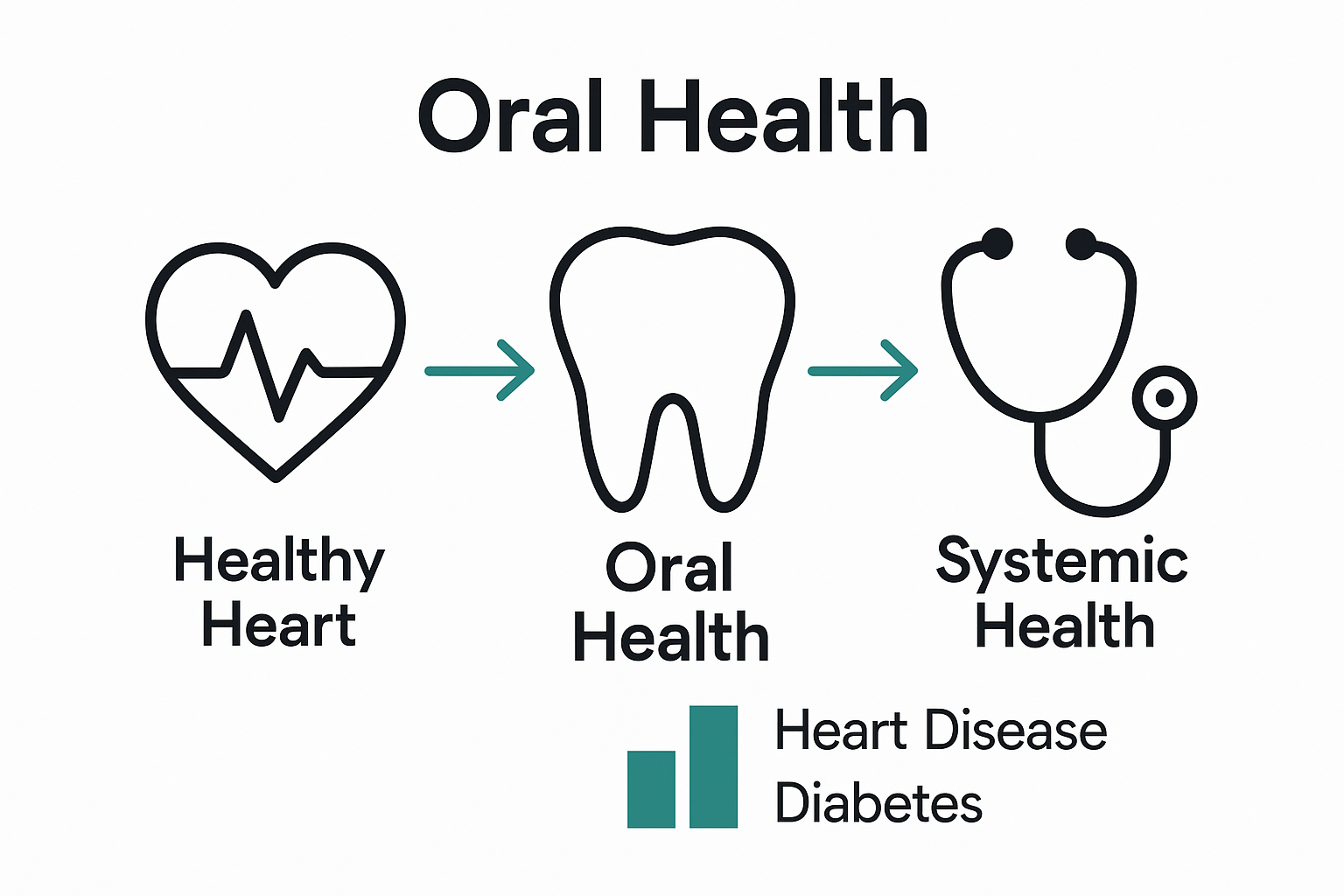
The fundamental principle of comprehensive dentistry is understanding that oral health is not isolated from the rest of the body. Systemic health connections include:
- Heart Health: Reducing inflammation and bacterial risks
- Diabetes Management: Monitoring oral health indicators
- Pregnancy Outcomes: Preventing potential complications
- Respiratory Health: Minimizing bacterial transmission
- Cognitive Function: Reducing neurological inflammation risks
According to John Featherstone’s groundbreaking work, the development of Caries Management by Risk Assessment (CAMBRA) revolutionized how dentists approach preventive care. This model integrates comprehensive risk assessment and personalized prevention strategies, recognizing that each patient’s oral health journey is unique.
Nutrition plays a crucial role in supporting comprehensive dental health. Exploring foods that support oral wellness can provide patients with practical strategies for maintaining optimal oral and systemic health. By understanding the complex interactions between diet, oral microbiome, and overall wellness, patients can take proactive steps toward preventing potential health complications.
Continuing education remains paramount in delivering comprehensive dental care. Advanced training and research enable dental professionals to stay current with the latest techniques and holistic approaches, ensuring patients receive the most innovative and effective treatments available. This commitment to ongoing learning demonstrates how comprehensive dentistry is not just about treating symptoms, but about fostering long-term health and prevention.
Key Benefits for Patients and Families
Comprehensive dental care offers transformative advantages that extend far beyond traditional treatment approaches, providing patients and families with a holistic strategy for long-term oral and overall health management. Dental membership plans have emerged as innovative solutions that make these comprehensive services more accessible and affordable for families seeking high-quality dental care.
Key Benefits Include:
-
Financial Predictability
- Transparent pricing structures
- Reduced out-of-pocket expenses
- Consistent preventive care coverage
-
Comprehensive Health Monitoring
- Early detection of systemic health issues
- Personalized risk assessments
- Integrated health management
-
Preventive Care Focus
- Regular screenings
- Advanced diagnostic technologies
- Proactive treatment strategies
Interestingly, Wikipedia’s research on eco-friendly dentistry highlights an additional benefit that extends beyond individual health. By promoting sustainable healthcare environments, comprehensive dental practices contribute to broader ecological wellness, demonstrating a commitment to patient and environmental health simultaneously.
Modern comprehensive dental care recognizes that family health is interconnected. Common dental procedures are now designed to provide tailored solutions that address unique family health needs, from pediatric care to geriatric treatments. This approach ensures that every family member receives personalized, high-quality dental care that supports their individual health journey.
By investing in comprehensive dental services, families gain more than just treatment. They receive a partnership with healthcare professionals dedicated to maintaining optimal health, preventing future complications, and creating lasting wellness strategies that adapt to changing life stages and health requirements.
Costs, Insurance, and Membership Plans
Navigating dental care costs can be complex, with numerous options available to help patients manage their healthcare expenses effectively. Dental insurance alternatives have evolved to provide more flexible and affordable solutions for individuals and families seeking comprehensive dental care.
Cost Management Strategies:
-
Traditional Insurance
- Monthly premium plans
- Predetermined coverage percentages
- Annual benefit maximums
-
Membership Plans
- Fixed annual fee
- Immediate discounts
- No waiting periods
- Predictable out-of-pocket expenses
-
Payment Options
- Flexible financing
- Sliding scale fees
- Health savings account compatibility
According to IJISRT research, many patients harbor misconceptions about dental care costs that can significantly impact their healthcare decisions. Understanding the nuanced landscape of dental financial options is crucial for making informed choices.
The guide comparing dental insurance and membership plans provides crucial insights into selecting the most appropriate financial approach for individual needs. Patients can now choose from an array of options that balance comprehensive care with financial accessibility, ensuring that quality dental treatment remains within reach.
Ultimately, the goal is to demystify dental care expenses and provide transparent, affordable pathways to maintaining optimal oral health. By exploring diverse payment strategies and understanding the true value of preventive care, patients can make empowered decisions that support both their dental wellness and financial well-being.
Risks of Neglecting Full-Spectrum Care
Neglecting comprehensive dental care can lead to significant health complications that extend far beyond simple tooth decay. Common dental procedures are designed to prevent escalating health risks that emerge from untreated oral conditions.
Progressive Health Risks:
-
Cardiovascular Complications
- Increased heart disease risk
- Potential arterial inflammation
- Higher stroke probability
-
Systemic Health Challenges
- Uncontrolled diabetes progression
- Respiratory infections
- Compromised immune response
-
Long-Term Consequences
- Irreversible bone loss
- Chronic pain development
- Expensive reconstructive treatments
Research from JIMDC reveals that many individuals harbor dangerous misconceptions about dental health, which can lead to catastrophic neglect of critical preventive care. These myths frequently result in patients underestimating the interconnected nature of oral and overall health.
Insurance alternatives have emerged to help patients overcome financial barriers that might otherwise prevent them from receiving comprehensive care. By understanding the potential risks and exploring accessible treatment options, individuals can protect themselves from the cascading health complications associated with untreated dental conditions.
The consequences of overlooking full-spectrum dental care are profound and multifaceted. What begins as a seemingly minor dental issue can rapidly transform into a complex health challenge that impacts not just oral wellness, but entire systemic health trajectories. Proactive, comprehensive care remains the most effective strategy for maintaining long-term health and preventing potentially devastating medical complications.
Take Control of Your Oral Health with Comprehensive Care at DentalAteliers
Comprehensive dental care is about more than just treating symptoms it involves understanding your complete oral health and its connection to your overall wellness. If you have ever felt overwhelmed by dental myths, unsure about preventive treatments, or concerned about the cost of quality care you are not alone. At DentalAteliers, we recognize these challenges and offer patient-centered solutions tailored to your unique needs including advanced procedures like same-day crowns and implant dentistry.

Don’t wait for pain or complications to intervene. Experience the difference of a warm, welcoming atmosphere that prioritizes your comfort with amenities like TVs and noise-canceling headphones. Discover affordable membership plans that reduce out-of-pocket costs and gain confidence from our transparent pricing and trusted patient testimonials. Visit DentalAteliers.com now to learn more about our complete service offerings and request your appointment today. Take the first step toward lasting oral health and peace of mind with a team dedicated to your long-term wellness.
Frequently Asked Questions
What is comprehensive dental care?
Comprehensive dental care is a holistic approach to oral health that includes prevention, treatment, restoration, and long-term wellness of the entire oral ecosystem. It goes beyond routine cleanings and focuses on integrated care to ensure optimal health.
What are common myths about dental care?
Common myths include beliefs such as brushing harder means cleaner teeth, flossing isn’t necessary, dental problems will resolve themselves, and that pain is the only indicator of dental issues. Understanding these myths is crucial for making informed health decisions.
How does comprehensive dentistry support overall health?
Comprehensive dentistry recognizes the connections between oral health and systemic health. It addresses issues like heart health, diabetes management, pregnancy outcomes, respiratory health, and cognitive function, promoting a holistic approach to wellness.
What types of services are included in comprehensive dental care?
Comprehensive dental care includes preventive services like regular cleanings and oral exams, restorative treatments such as fillings and crowns, as well as advanced techniques and diagnostic tools to manage and support long-term dental health.

.svg)