
Going to the dentist in Lynnwood can feel overwhelming if anxiety makes every appointment a stressful event. Many adults avoid essential care because they worry about pain or embarrassment during restorative or cosmetic dental treatments. Understanding sedation dentistry offers reassuring options that let you stay calm, relaxed, and in control without losing awareness. Learn what sedation really involves, how it works safely, and which myths about dental sedation simply are not true.
Table of Contents
- Dental Sedation Defined and Common Myths
- Types of Dental Sedation and Key Distinctions
- How Dental Sedation Enhances Comfort and Care
- Safety Protocols, Side Effects, and Patient Eligibility
- Costs, Insurance, and Alternatives to Sedation
Key Takeaways
| Point | Details |
|---|---|
| Sedation Dentistry Helps Manage Anxiety | Sedation allows patients to relax during procedures while remaining conscious and responsive, making dental visits less stressful. |
| Various Sedation Options Available | Options like Nitrous Oxide, Oral Sedation, and IV Sedation cater to different anxiety levels and procedural requirements, helping patients make informed choices. |
| Safety and Monitoring Are Paramount | Continuous monitoring during sedation ensures patient safety, allowing for adjustments based on individual responses. |
| Insurance Coverage Varies | Patients should verify their insurance benefits regarding sedation to avoid unexpected costs and understand coverage criteria. |
Dental Sedation Defined and Common Myths
Let’s cut through the confusion right away. Sedation dentistry involves using medications to help you relax during dental procedures. It’s not general anesthesia, though many people confuse the two. When you’re sedated at the dentist, you remain conscious and can respond to verbal cues from Dr. Narang and his team. Your central nervous system is simply calmed down, allowing you to receive necessary dental care without the stress and anxiety that typically accompanies a dental visit. Whether you’re facing a simple cleaning or a more complex procedure like a crown or implant placement, sedation helps manage dental anxiety by inducing drowsiness and relaxation while keeping you cooperative and safe throughout the treatment.
The most common sedatives used in modern dental practices include benzodiazepines, nitrous oxide (laughing gas), and sometimes opioids for more complex cases. Nitrous oxide mixed with oxygen is one of the gentlest options available and works relatively quickly. You’ll breathe it through a small mask, and the effects wear off within minutes of the procedure ending. For patients who need deeper relaxation, intravenous sedation allows dentists to administer medications directly into your bloodstream, giving them precise control over your comfort level. Some practices also use oral sedation medications that you take before your appointment, which gradually ease you into a calm state without putting you to sleep. The key point here is that all these methods are carefully monitored and adjustable based on your individual response.
Now let’s address the myths that keep anxious patients like yourself from seeking the care you actually need. The biggest misconception is that sedation is “too risky” or “only for people with serious health problems.” In reality, sedation dentistry has been refined over decades and is extremely safe when administered by trained professionals. Your vital signs are monitored throughout the procedure, and the medications used in dental offices are specifically chosen for their safety profile and rapid reversibility. Another common myth suggests that you’ll be unconscious and won’t remember anything, which simply isn’t true for most sedation types. You’ll typically remain aware of what’s happening and can communicate with your dentist if needed. Some patients worry they’ll say embarrassing things under sedation. The truth is that dentists hear this concern constantly, and the level of sedation used in most dental procedures doesn’t create the kind of uninhibited behavior you might see in movies. Many people also believe sedation takes a long time to wear off, causing them to worry about their schedule. In reality, most sedation effects clear within 30 minutes to a few hours depending on the type, and you can often return to light activities the same day. The final myth worth addressing is that sedation is astronomically expensive. While it does add to the cost of your procedure, many dental practices in Lynnwood offer reasonable pricing for sedation options, and the peace of mind and ability to get necessary treatment completed often make it a worthwhile investment in your health.
Pro tip: Schedule a consultation with Dr. Narang to discuss which sedation option works best for your specific procedure and anxiety level. Being honest about your fears helps him customize an approach that makes you feel safe and genuinely relaxed during treatment.
Types of Dental Sedation and Key Distinctions
Understanding the different types of sedation available helps you make an informed choice that matches your anxiety level and the complexity of your procedure. Not all sedation is created equal, and the right option depends on how anxious you feel, how long your treatment will take, and your overall health. Think of sedation like a spectrum rather than a one-size-fits-all solution. At one end, you have minimal sedation, which is basically relaxation without significant drowsiness. At the other end sits general anesthesia, where you’re completely unconscious. The good news is that most dental procedures for Lynnwood residents fall somewhere in the middle, and sedation delivery methods include oral, inhalation, and intravenous routes, each offering different levels of comfort and control.

Nitrous Oxide Inhalation
Nitrous oxide, commonly called laughing gas, is the gentlest option and the one most people are familiar with. You breathe a mixture of nitrous oxide and oxygen through a small mask placed over your nose. The effects kick in within a few minutes, and you’ll feel a pleasant sense of relaxation and mild euphoria. Your mind remains clear, you stay awake, and you can communicate with Dr. Narang throughout the procedure. The best part? It wears off completely within minutes of the mask being removed, so you can often drive yourself home immediately afterward. This makes nitrous oxide ideal for patients with mild to moderate anxiety who need a quick, straightforward procedure like a filling or cleaning. The downside is that it provides only light sedation, so it might not be enough if you have severe dental phobia or need extensive work completed in one appointment.
Oral Conscious Sedation
With oral sedation, you take a prescription medication about an hour before your appointment. This could be a benzodiazepine or another sedative that your dentist prescribes based on your health history and anxiety level. By the time you arrive for your appointment, you’re already feeling quite relaxed. You might even fall asleep during the procedure, though you can still be awakened if needed. Oral sedation allows deeper relaxation than nitrous oxide while maintaining your airway, making it perfect for moderate to severe anxiety or procedures lasting an hour or more. The catch is that someone needs to drive you to and from your appointment since the medication lingers in your system. Many Lynnwood patients appreciate this option because it feels less intimidating than having an IV placed, and you’re conscious enough to follow simple instructions, yet relaxed enough that you won’t remember much of the procedure.
Intravenous Sedation
IV sedation is the deepest form of sedation offered in most dental offices, and it provides the most control. A small needle is placed in your vein, and sedative medications are administered directly into your bloodstream. Dr. Narang can adjust the depth of sedation in real time, making it perfect for complex procedures like multiple implants, extensive restorative work, or severely anxious patients who need to be in a deeper state of relaxation. You’ll remain conscious enough to respond to commands, but you likely won’t remember the procedure afterward. Your vital signs are continuously monitored, and you’ll feel deeply calm and comfortable throughout. Like oral sedation, you cannot drive yourself home and will need someone to pick you up. This option represents the sweet spot for many anxious patients because it offers profound relaxation without crossing into general anesthesia, which carries greater medical risks and typically requires a hospital setting.
Comparing Your Options
Here’s how to think about which sedation works best for you. If you have mild anxiety and need a quick appointment, nitrous oxide offers simplicity and immediate recovery. If you have moderate anxiety or need an hour or more of treatment, oral sedation provides deeper relaxation without the needle. If you have severe anxiety, multiple teeth needing treatment, or complex procedures like implant placement, IV sedation gives Dr. Narang complete control and you maximum peace of mind. Your appointment with Dr. Narang should include a thorough discussion of your anxiety triggers, your medical history, any medications you take, and your lifestyle constraints. This conversation helps determine which sedation level makes sense for your specific situation.
Here’s a comparison of the main dental sedation methods and their suitability based on common patient needs:
| Sedation Type | Best For | Recovery Time | Need for Escort |
|---|---|---|---|
| Nitrous Oxide | Mild anxiety, short visits | 5–10 minutes | No |
| Oral Sedation | Moderate anxiety, longer procedures | 2–4 hours | Yes, must arrange ride |
| IV Sedation | Severe anxiety, complex treatment | 4–6 hours | Yes, must arrange ride |
Pro tip: Be completely honest with Dr. Narang about your anxiety level and any previous experiences with sedation or anesthesia, so he can recommend the most appropriate option and adjust dosing based on your individual response.
How Dental Sedation Enhances Comfort and Care
Sedation transforms the dental experience from something you dread into something manageable. When you’re anxious about a dental visit, your body goes into fight-or-flight mode. Your muscles tense up, your heart races, and you become hypersensitive to every sound and sensation in the operatory. This physical stress response makes it harder for Dr. Narang to work efficiently, and it makes the experience more uncomfortable for you. Sedation interrupts this cycle by calming your nervous system, which relaxes your muscles and lowers your heart rate. The result is that procedures take less time, you experience less discomfort, and you walk out of the office feeling like you actually had a positive dental experience. Beyond just reducing your anxiety in the moment, sedation allows dentists to perform complex procedures comfortably and efficiently while improving your cooperation and increasing access to the dental care you genuinely need.
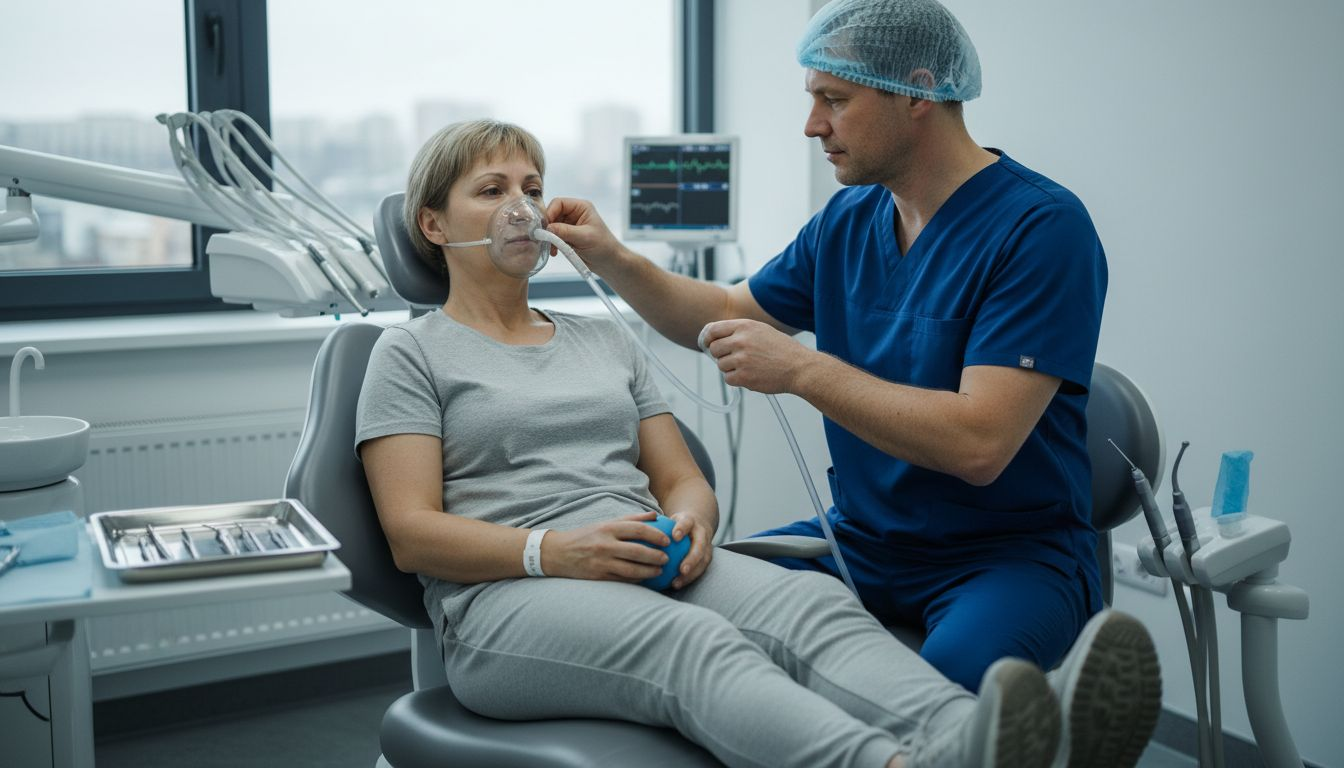
Here’s what happens physically when you’re sedated. Your brain receives calming signals from the medication, which reduces the perception of pain and anxiety. You might not feel time passing at all. What feels like 10 minutes to you might actually be an hour of treatment. This time distortion works in your favor because Dr. Narang can complete more extensive work in a single appointment rather than splitting it across multiple visits. For people in Lynnwood with busy schedules or severe dental anxiety, this means fewer appointments, less total time dealing with your dental anxiety, and faster progress toward the smile you want. Additionally, sedation allows your dentist to work more precisely because you’re relaxed and still. If you were tensing up during a crown preparation or an implant placement, small movements could affect the quality of the work. When you’re sedated, your body cooperates, which means better clinical outcomes and restorations that fit better and last longer.
The comfort enhancement goes beyond just the procedure itself. Many anxious patients avoid the dentist for years, which means problems compound. A small cavity becomes a root canal. Gum disease progresses. Missing teeth start affecting your other teeth. By the time you finally get to the chair, you need extensive treatment that sounds overwhelming. Sedation removes the psychological barrier that kept you away in the first place. Suddenly, you can get the care you need without the panic. You might come in for that crown you’ve been putting off, and while you’re relaxed, Dr. Narang can address other issues you didn’t even realize you had. This comprehensive approach to dental care, made possible by sedation, actually improves your long-term oral health outcomes. You’re more likely to maintain regular checkups because you know sedation is available if you need it, which means problems get caught early before they become serious and expensive.
The Psychological Impact
Don’t underestimate the mental health benefit of sedation. Dental anxiety is real, and it affects your overall quality of life. People avoid the dentist for years, developing self-consciousness about their smile and worrying constantly about tooth pain. This stress adds up. When sedation lets you finally get the care you need, you experience relief that goes far beyond the dental chair. You gain confidence in your smile. You stop avoiding social situations. You can eat the foods you love without worry. For many patients, this psychological shift is as valuable as the actual dental treatment.
Sedation also creates a positive memory association with the dentist. If you’ve had traumatic dental experiences in the past, sedation can help Dr. Narang create a new, calmer experience in your brain. Over time, this can actually reduce your anxiety about future appointments, even those where you might not need sedation. Your brain learns that the dental office is a safe place where your comfort is prioritized.
Pro tip: After your sedated appointment, take time to reflect on how smoothly the procedure went and share your positive experience with Dr. Narang’s team, as this feedback helps them understand what sedation approach works best for you and builds a personalized comfort plan for future visits.
Safety Protocols, Side Effects, and Patient Eligibility
Safety is the foundation of sedation dentistry, and Dr. Narang’s practice takes it seriously. Before you ever receive sedation, you’ll go through a thorough evaluation process. This includes a detailed medical history where you’ll discuss any conditions you have, medications you take, allergies, and previous experiences with anesthesia or sedation. This conversation matters because certain health conditions like sleep apnea, heart problems, or uncontrolled diabetes require special consideration. You might need clearance from your primary care physician before proceeding. The dental team will also ask about your weight, as this affects sedation dosing, and whether you’ve eaten or drunk anything before your appointment. These details sound tedious, but they’re critical. Comprehensive patient evaluation and monitoring protocols ensure that Dr. Narang can customize sedation to your specific needs and watch for any complications before they become problems.
During your procedure, you’re continuously monitored. A pulse oximeter tracks your oxygen levels. A blood pressure cuff monitors your cardiovascular response. Your heart rhythm is watched. Dr. Narang and his trained team keep their eyes on you throughout the entire appointment. If anything seems off, they can adjust the sedation or take corrective action immediately. This constant vigilance is why sedation in a dental office is so safe. You’re not left alone. There’s no guesswork. Modern monitoring equipment gives Dr. Narang real-time data about how your body is responding to the medications.
Understanding Side Effects
Let’s talk about what you might experience. Drowsiness is the most common side effect, and frankly, it’s the whole point of sedation. You want to feel relaxed and sleepy. Headaches can happen, particularly with nitrous oxide, though this is usually mild and temporary. Nausea affects some patients, especially if they’ve eaten before their appointment, which is why pre-appointment instructions matter. You might feel dry mouth, dizziness, or slight confusion as the sedation wears off. These effects are typically minor and resolve within a few hours. More serious side effects like allergic reactions or respiratory issues are extremely rare when sedation is administered by trained professionals in a proper dental setting. Think of it this way. Millions of dental patients receive sedation every year with excellent safety records. The side effects you’re most likely to experience are mild and temporary.
Who Can Safely Receive Sedation
Most people in Lynnwood can safely receive some form of dental sedation. Healthy adults with mild to moderate anxiety often start with nitrous oxide, which is very safe and reversible. If you have moderate anxiety or need more complex treatment, oral sedation or IV sedation is typically appropriate. The real question is not whether you can have sedation, but which type is safest and most effective for your specific situation.
Certain patients need extra caution or modified approaches. If you’re pregnant, sedation decisions require consultation with your obstetrician. If you have sleep apnea, your dentist needs to know because some sedatives can affect your breathing. If you take blood thinners, this affects how your body responds to certain medications. If you have liver or kidney disease, your body processes drugs differently. If you’re allergic to specific medications, alternative sedatives can be chosen. If you have heart conditions, your cardiologist might need to clear you before sedation.
The point is this. Almost no one is absolutely ineligible for sedation. Instead, Dr. Narang determines which sedation approach works best given your medical history. A patient with multiple health conditions might receive lighter sedation with more careful monitoring. A healthy patient with severe anxiety might receive deeper sedation. The evaluation process allows customization to maximize safety while addressing your comfort needs.
After Your Appointment
The monitoring doesn’t stop when the procedure ends. You’ll rest in the recovery area while the sedation wears off. Dr. Narang’s team will give you written post-procedure instructions before you leave. Typically, you shouldn’t drive or operate machinery for several hours. You shouldn’t make important decisions that day. You might feel tired and should take it easy. If you had IV sedation, someone needs to pick you up and stay with you for a few hours. These precautions exist because your judgment and reflexes are still affected even though you feel alert.
Pro tip: Arrive 15 minutes early to your sedated appointment, bring your insurance card and photo ID, and have your ride arranged in advance so there’s no confusion about transportation after your procedure.
Costs, Insurance, and Alternatives to Sedation
Let’s address the money question directly. Sedation adds to the cost of your dental procedure, but the amount varies significantly depending on which type you choose. Nitrous oxide is the least expensive option, typically adding $50 to $100 to your appointment cost. Oral sedation generally costs between $100 and $300, depending on the medication and dosage required. Intravenous sedation is the most expensive, ranging from $200 to $500 or more because it requires more monitoring and a trained IV specialist. When you hear these numbers, remember that the cost of dental sedation varies widely based on type and geographic location, and Lynnwood pricing may differ from other areas. The key is to get a quote from Dr. Narang’s office before your appointment so there are no surprises. Ask specifically what’s included in the sedation fee and whether it covers pre-procedure consultation, monitoring, recovery time, and post-procedure instructions.
This table summarizes typical cost, insurance considerations, and alternatives for dental sedation:
| Sedation Method | Typical Additional Cost | Insurance Coverage Likelihood | Non-Drug Alternative |
|---|---|---|---|
| Nitrous Oxide | $50–$100 per visit | Low to moderate | Deep breathing, distractions |
| Oral Sedation | $100–$300 per visit | Moderate, needs justification | Cognitive-behavioral therapy |
| IV Sedation | $200–$500+ per visit | Varies, often pre-approval | Relaxation amenities |
Insurance Coverage
This is where things get complicated. Insurance coverage for sedation varies wildly between plans and depends on whether your insurance company deems sedation medically necessary for your specific situation. Some insurance plans won’t cover sedation at all. Others cover it only for extensive procedures or for patients with documented severe anxiety. A few progressive plans cover sedation for any patient who requests it. The only way to know your coverage is to call your insurance company directly or have Dr. Narang’s office do it for you. When you call, ask specifically whether sedation is covered and under what circumstances. Ask if pre-authorization is required, as many plans demand written approval before the procedure. Ask what percentage of the sedation cost your plan covers and whether there’s a separate deductible that applies. Some insurance companies require patients to try non-pharmacological anxiety management techniques first before they’ll approve sedation. Understanding these details before your appointment prevents frustrating surprises on your bill.
Non-Pharmacological Alternatives
Sedation isn’t your only option for managing dental anxiety. For patients with mild to moderate anxiety, behavioral techniques can work surprisingly well. These include deep breathing exercises, progressive muscle relaxation, and guided imagery. Dr. Narang’s team might talk you through these techniques during your appointment. The practice’s amenities also support relaxation without medication. Noise-canceling headphones help block the sounds that trigger anxiety. Television screens provide distraction. A calm, welcoming environment makes a psychological difference. Some patients find that simply knowing their dentist takes their anxiety seriously makes them feel more in control.
Cognitive-behavioral therapy (CBT) can also help reduce dental anxiety over time. This involves working with a mental health professional to reframe your thoughts about dental visits and gradually reduce your fear response. It’s not a quick fix, but it can genuinely reduce your anxiety in the long term. Some patients combine CBT with mild sedation for particularly challenging procedures.
When Alternatives Aren’t Enough
Here’s the reality though. If you have severe dental anxiety, past trauma associated with dental visits, or complex procedures requiring you to remain still for an extended time, non-pharmacological methods alone probably won’t cut it. You might try relaxation techniques and find that your heart still races, your palms still sweat, and you still can’t sit through the appointment. This is where sedation becomes essential. Choosing not to pursue sedation might mean continuing to avoid the dentist, which leads to worsening dental health and more expensive treatment down the road. A crown that costs $1,200 today becomes a root canal and crown costing $2,500 if you wait two more years. Missing teeth cause other teeth to shift, leading to bite problems and additional treatment needs. The math usually works out that sedation today is an investment that saves you money and pain in the long run.
Payment Options
Don’t assume sedation is out of reach financially. Dr. Narang’s office offers multiple ways to manage costs. Some patients use payment plans that allow them to spread the cost over several months. Membership plans sometimes provide discounted rates on procedures including sedation. Check what options are available. If cost is a genuine barrier, have an honest conversation with Dr. Narang’s team about what sedation option fits your budget while still addressing your anxiety needs. Sometimes a lighter sedation option works well enough and costs significantly less.
Pro tip: Call your insurance company at least one week before your scheduled appointment to confirm sedation coverage, obtain pre-authorization if required, and understand your out-of-pocket costs so you can plan your budget accordingly.
Overcome Dental Anxiety with Personalized Sedation Solutions at DentalAteliers
Feeling anxious about your dental visit does not have to hold you back from the care you deserve. Dental sedation offers a safe and effective way to relax during treatment, helping you avoid the stress and physical tension that often worsen the dental experience. Whether you struggle with mild nervousness or severe dental phobia, Dr. Kunal Narang and the team at DentalAteliers in Lynnwood are experts in tailoring sedation options like nitrous oxide, oral sedation, or IV sedation to your unique needs. We combine modern sedation techniques with comforting amenities such as noise-canceling headphones and TVs to make your visit as peaceful as possible.
Take control of your dental health today by choosing a sedation approach designed to ease your fears and improve your overall experience. Explore our comprehensive range of dental services, from implant dentistry to cosmetic procedures, all delivered with patient comfort as a top priority. Visit DentalAteliers.com to learn more about sedation dentistry and schedule a consultation with Dr. Narang. You deserve a calm, confident smile – start your journey now with expert care that understands your anxiety and offers real solutions.
Frequently Asked Questions
What is dental sedation and how does it help anxious patients?
Dental sedation is the use of medications to help patients relax during dental procedures. It helps manage dental anxiety by inducing a state of calmness, allowing patients to undergo necessary dental treatments without stress.
What types of dental sedation options are available?
The common types of dental sedation include nitrous oxide (laughing gas), oral sedation via prescribed medication, and intravenous (IV) sedation. Each option offers different levels of sedation and comfort based on the patient’s anxiety level and the complexity of the procedure.
Is dental sedation safe for everyone?
While dental sedation is generally safe, certain patients may require extra caution due to health conditions such as sleep apnea, heart problems, or allergies. A thorough medical evaluation is conducted before sedation to ensure safety and customize the approach based on individual needs.
How quickly do the effects of dental sedation wear off?
The recovery time from dental sedation varies by method. Nitrous oxide typically wears off within minutes, while oral and IV sedations may take a few hours before the effects diminish. Patients are advised not to drive or make important decisions until they feel fully alert.

.svg)