
Every year, thousands of American adults choose zirconia dental restorations for a stronger, more beautiful smile. Modern research shows these advanced ceramic materials outperform traditional metal options in both strength and natural appearance. If you want a smile that looks and feels like your own teeth, understanding the benefits and types of zirconia can help you make confident decisions about your dental care in Lynnwood.
Table of Contents
- What Are Zirconia Dental Restorations?
- Types of Zirconia Restorations Explained
- Step-By-Step Zirconia Restoration Process
- Benefits and Drawbacks for Patients
- Comparing Zirconia With Other Materials
- Cost, Longevity, and Aftercare Considerations
Key Takeaways
| Point | Details |
|---|---|
| Zirconia Restorations | Zirconia offers a durable, metal-free alternative for dental restorations, providing strength and aesthetic benefits. |
| Types of Zirconia | Different generations of zirconia (3Y-TZP, 4Y-TZP, 5Y-TZP) cater to varying clinical needs and aesthetics, influencing choice based on patient requirements. |
| Restoration Process | The zirconia restoration process involves multiple precise stages, ensuring a seamless integration and optimal outcome for patients. |
| Cost Considerations | While zirconia restorations entail higher initial costs, their durability and long-term performance often justify the investment for patients. |
What Are Zirconia Dental Restorations?
Zirconia dental restorations represent a revolutionary advancement in modern dental materials, offering patients a sophisticated solution for replacing or repairing teeth. These specialized ceramic restorations are crafted from zirconium dioxide, a robust ceramic compound engineered to provide exceptional strength and remarkable aesthetic qualities. Zirconia ceramics have emerged as a prominent restorative material due to their extraordinary mechanical properties and biocompatibility.
At its core, zirconia represents a metal-free alternative to traditional dental restoration techniques. Unlike older metallic options, zirconia combines incredible durability with a natural, translucent appearance that closely mimics human tooth enamel. The material’s unique composition allows dentists to create crowns, bridges, and implant components that are not just structurally sound but also visually indistinguishable from natural teeth. Yttria-stabilized tetragonal zirconia polycrystals have particularly revolutionized this field, enabling more aesthetic and resilient dental solutions.
The key characteristics of zirconia dental restorations include:
- Exceptional mechanical strength
- Superior biocompatibility
- Low plaque affinity
- High resistance to fracturing
- Natural, translucent appearance
- Minimal thermal conductivity
Pro tip: When considering zirconia restorations, always consult with a dental professional who specializes in advanced ceramic materials to ensure the best possible outcome for your specific dental needs.
Types of Zirconia Restorations Explained
Zirconia dental restorations come in several distinct types, each engineered to meet specific clinical requirements and aesthetic preferences. Zirconia types are primarily classified based on their yttria content, which significantly influences their mechanical properties, translucency, and overall performance in dental applications. Understanding these variations helps dentists select the most appropriate material for individual patient needs.
The primary classifications of zirconia restorations include first-generation 3Y-TZP, second-generation 4Y-TZP, and third-generation 5Y-TZP materials. First-generation zirconia is characterized by exceptional strength and higher opacity, making it ideal for posterior teeth requiring maximum durability. Recent zirconia biomaterials have evolved to balance aesthetic demands with mechanical performance, with newer generations offering improved translucency while maintaining structural integrity.
Key characteristics of different zirconia restoration types include:
- 3Y-TZP (First Generation)
- Highest mechanical strength
- Maximum opacity
- Best suited for posterior dental work
- 4Y-TZP (Second Generation)
- Improved translucency
- Balanced strength and aesthetics
- Suitable for both anterior and posterior restorations
- 5Y-TZP (Third Generation)
- Maximum translucency
- Reduced mechanical strength
- Optimal for highly aesthetic anterior tooth replacements
The selection of zirconia type depends on multiple factors, including the specific tooth location, patient’s bite force, aesthetic requirements, and overall oral health conditions. Dentists carefully evaluate these parameters to recommend the most appropriate zirconia restoration.
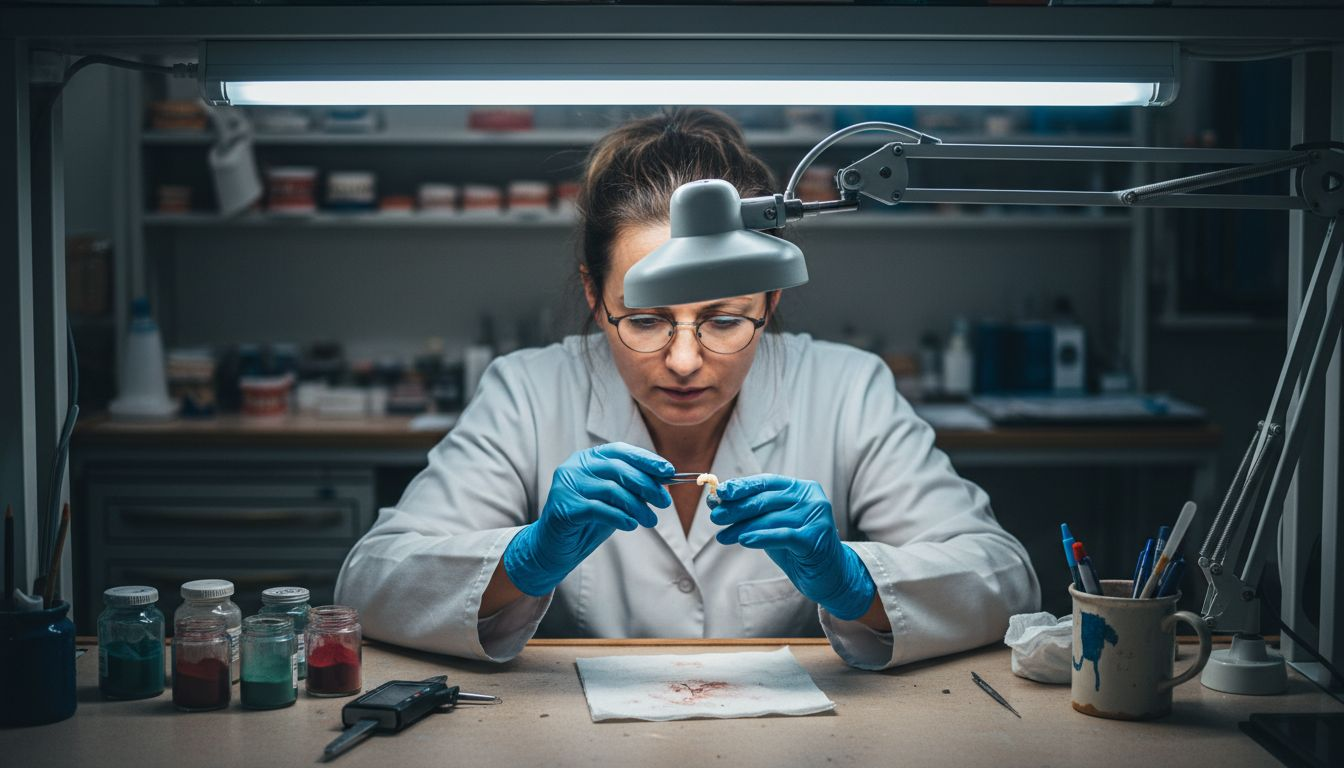
Pro tip: Always discuss the specific zirconia restoration type with your dental professional, as they can provide personalized recommendations based on your unique dental anatomy and aesthetic goals.
Step-By-Step Zirconia Restoration Process
The zirconia restoration process is a sophisticated dental procedure that transforms damaged or missing teeth into seamless, functional replacements. Clinical protocols for zirconia restorations require precise, multi-stage implementation, involving advanced technology and meticulous professional techniques.
The comprehensive process typically involves several critical stages:
-
Initial Consultation and Assessment
- Comprehensive oral examination
- Detailed tooth condition evaluation
- Discussion of patient’s aesthetic and functional goals
-
Tooth Preparation
- Precise tooth reduction
- Removal of damaged tooth structure
- Creation of optimal surface for restoration
-
Digital Imaging and Design
- Intraoral digital scanning
- Computer-aided design (CAD) of restoration
- Customization of zirconia material specifications
-
Restoration Fabrication
- Precision milling of zirconia material
- Sintering in specialized dental furnace
- Careful quality control checks
-
Fitting and Cementation
- Precise restoration placement
- Minor adjustments if needed
- Permanent bonding using specialized dental cement
Pro tip: Request a digital preview of your zirconia restoration during the design phase to understand exactly how your final dental work will look and function.
Benefits and Drawbacks for Patients
Zirconia dental restorations represent a sophisticated solution for patients seeking durable and aesthetically pleasing tooth replacements. Zirconia offers high mechanical performance and exceptional biocompatibility, providing patients with a cutting-edge dental treatment option that balances functionality and appearance.
The key benefits for patients include:
- Exceptional Durability
- Extremely high flexural strength
- Resistant to fractures and chipping
- Long-lasting restoration performance
- Natural Aesthetic Appearance
- Close mimicry of natural tooth color
- Translucent options available
- Seamless integration with existing teeth
- Biocompatibility
- Minimal risk of allergic reactions
- Low bacterial adhesion
- Reduced inflammation potential
However, zirconia restorations also present specific clinical limitations that patients should carefully consider:
- Potential porcelain chipping in bi-layered restorations
- Higher initial treatment costs
- Limited long-term clinical data for newest materials
- Requires precise manufacturing techniques
Patients should engage in thorough discussions with their dental professional to determine whether zirconia restorations align with their specific dental health requirements and aesthetic goals.
Pro tip: Request a comprehensive consultation that includes visual examples and detailed explanation of how zirconia restorations will specifically address your unique dental needs.
Comparing Zirconia With Other Materials
Zirconia ceramics demonstrate remarkable advantages over traditional dental materials, offering patients a sophisticated alternative that balances strength, aesthetics, and biocompatibility. Understanding the comparative landscape helps patients and dental professionals make informed treatment decisions.

The key comparative characteristics include:
Zirconia vs. Porcelain-Fused-to-Metal (PFM) Crowns
- Zirconia: Superior biocompatibility
- PFM: Traditional metal framework
- Zirconia eliminates metal allergy risks
- Better gum tissue response with zirconia
Zirconia vs. Lithium Disilicate
- Zirconia: Higher fracture resistance
- Lithium Disilicate: Superior translucency
- Zirconia ideal for posterior teeth
- Lithium Disilicate preferred for front teeth
Zirconia vs. Metal Alloys
- Zirconia: Natural appearance
- Metal Alloys: Maximum strength
- Zirconia offers aesthetic integration
- Metal alloys provide traditional durability
Comparative research demonstrates that material selection depends on balancing functional demands with cosmetic considerations, ensuring patients receive personalized dental solutions that meet their unique needs.
Here’s a concise overview contrasting zirconia dental restorations with popular alternatives:
| Aspect | Zirconia | Porcelain-Fused-to-Metal | Lithium Disilicate |
|---|---|---|---|
| Metal Content | None | Contains metal | None |
| Typical Use Location | Anterior & Posterior | Posterior, some anterior | Anterior teeth |
| Allergy Potential | Extremely low | Possible with metals | Very low |
| Longevity (Years) | 10+ with care | 7–15 depending on use | 8–12 |
| Translucency | Moderate to high | Low | Highest in ceramics |
Pro tip: Discuss your specific aesthetic and functional requirements with your dentist to determine the most suitable dental restoration material for your individual case.
Cost, Longevity, and Aftercare Considerations
Zirconia dental restorations represent a sophisticated long-term investment in oral health, balancing initial costs with exceptional durability and performance. Understanding the financial and maintenance aspects helps patients make informed decisions about their dental restoration choices.
Longevity and Performance Factors:
- Five-Year Survival Rate: High success across multiple clinical studies
- Material Variability: Monolithic zirconia shows superior long-term performance
- Cost Considerations: Higher upfront investment with significant long-term value
Maintenance Requirements:
- Regular professional dental check-ups
- Routine oral hygiene practices
- Potential periodic professional polishing
- Avoiding excessive mechanical stress
Clinical research demonstrates zirconia’s remarkable durability and cost-effectiveness, with survival rates remaining consistently high when proper installation and maintenance protocols are followed. The initial investment typically ranges between $1,000 to $2,500 per restoration, depending on complexity and specific patient needs.
Financial factors to consider include:
Below is a summary of key factors affecting zirconia restoration cost and performance:
| Factor | Influence on Cost | Impact on Longevity |
|---|---|---|
| Material Generation | Higher generations cost more | Newer generations may trade strength for aesthetics |
| Restoration Size | Larger or multi-unit increases cost | Complex cases may need more maintenance |
| Lab Expertise | Specialist labs raise price | Greater expertise improves durability |
| Insurance Coverage | Varies widely; may be limited | Indirect impact, affects patient out-of-pocket costs |
- Insurance coverage variability
- Long-term replacement and maintenance costs
- Potential savings from reduced future dental interventions
Pro tip: Request a comprehensive treatment plan that includes detailed cost projections and long-term maintenance recommendations to understand the full financial implications of your zirconia dental restoration.
Discover Lasting Strength and Natural Beauty with Zirconia Restorations at DentalAteliers
If you are seeking a durable and natural-looking solution to restore your smile, zirconia dental restorations offer the perfect balance of strength and aesthetics. At DentalAteliers, Dr. Kunal Narang and our expert team specialize in advanced ceramic restorations that closely mimic the appearance of your natural teeth while providing exceptional durability against fractures and wear. We understand the importance of biocompatibility and comfort in every restoration we provide.
Experience personalized care in a welcoming environment designed for your comfort, including amenities like noise-canceling headphones and TVs during your visit. Take the first step toward a confident smile by exploring our full range of zirconia restorations, implant dentistry, and other cutting-edge treatments. Visit DentalAteliers.com today to schedule your consultation and see how our expertise can transform your dental health with lasting results.
Frequently Asked Questions
What are zirconia dental restorations?
Zirconia dental restorations are ceramic replacements for damaged or missing teeth made from zirconium dioxide. They offer high strength, durability, and a natural appearance that closely resembles tooth enamel.
What are the different types of zirconia restorations?
Zirconia restorations are classified into three main types: 3Y-TZP (first generation), known for its strength and opacity; 4Y-TZP (second generation), which balances strength and translucency; and 5Y-TZP (third generation), optimal for aesthetic anterior teeth with maximum translucency.
How does the zirconia restoration process work?
The zirconia restoration process involves several stages: initial consultation and assessment, tooth preparation, digital imaging and design, restoration fabrication, and final fitting and cementation. Each stage is crucial for ensuring a seamless and effective outcome.
What are the benefits and drawbacks of zirconia restorations?
The benefits of zirconia restorations include exceptional durability, natural aesthetic appearance, and biocompatibility with low allergic reactions. However, they may come with higher initial costs, potential porcelain chipping, and limited long-term clinical data on the newest materials.

.svg)