
Over three million american adults have dental implants, yet many remain unsure about what truly sets implants apart from other options. Tooth loss can take a real toll on comfort and self confidence, affecting everything from eating to speaking. Understanding how implant dentistry works helps patients make smarter choices about lasting oral health and appearance. This guide will break down the key facts, surprising benefits, and practical considerations around dental implants for anyone exploring solutions.
Table of Contents
- Defining Implant Dentistry And Its Purpose
- Types Of Dental Implants And Procedures
- Step-By-Step Dental Implant Process
- Who Qualifies For Implant Dentistry?
- Risks, Costs, And Care Considerations
- Comparing Implants With Other Tooth Solutions
Key Takeaways
| Point | Details |
|---|---|
| Innovative Approach | Implant dentistry offers advanced solutions for replacing missing teeth, improving function and aesthetics. |
| Types of Implants | Two primary types, endosteal and subperiosteal, cater to different oral health needs. |
| Candidacy Assessment | Successful implants depend on factors like bone density and overall health; thorough evaluations are essential. |
| Long-term Care | Implants require diligent maintenance similar to natural teeth to ensure longevity and oral health. |
Defining Implant Dentistry and Its Purpose
Dental implant dentistry represents a sophisticated surgical and reconstructive approach designed to replace missing teeth with durable, life-like prosthetic solutions. Modern implant procedures go far beyond traditional tooth replacement methods, offering patients comprehensive restoration of oral function, aesthetics, and long-term dental health.
At its core, implant dentistry focuses on surgically inserting titanium posts directly into the jawbone, which serve as artificial tooth roots. These precision-engineered dental implants provide a stable foundation for individual crowns, bridges, or full-arch restorations. The medical science behind implants has evolved dramatically, enabling predictable and successful outcomes that significantly improve patients’ quality of life.
Dental implants offer multiple critical advantages for patients with missing teeth. Research demonstrates that implants not only restore aesthetic appearance but also preserve critical jawbone structure and prevent potential bone deterioration. By mimicking natural tooth roots, implants stimulate bone tissue, maintaining facial structure and preventing the sunken appearance often associated with tooth loss. Patients can expect restored chewing capability, enhanced speech clarity, and a natural-looking smile that feels and functions like original teeth.
The purpose of implant dentistry extends beyond cosmetic improvement. These advanced prosthetic solutions provide comprehensive oral rehabilitation, addressing functional challenges caused by missing teeth. Whether replacing a single tooth or implementing full-mouth reconstruction, dental implants represent a transformative medical intervention that helps patients regain confidence, comfort, and optimal oral health.
Types of Dental Implants and Procedures
Dental implant technology offers multiple sophisticated solutions for patients seeking tooth replacement, with specific implant types designed to address unique oral health requirements. Modern dental professionals can select from various implant approaches tailored to individual patient anatomy, bone density, and restoration needs.
Two primary categories of dental implants exist: endosteal and subperiosteal implants. Endosteal implants are surgically placed directly into the jawbone, providing a stable foundation for prosthetic teeth. These cylindrical or screw-shaped implants are typically made of titanium and represent the most common type of dental implant. Subperiosteal implants, by contrast, rest on top of the bone beneath the gum tissue and are recommended for patients with insufficient bone height or those unable to undergo bone augmentation procedures.
Implant procedures vary significantly based on the extent of tooth replacement needed. Single-tooth implants replace individual missing teeth with precise surgical placement, while multiple-tooth implants can restore several adjacent teeth using strategically positioned titanium roots. The innovative All-on-4 technique represents a groundbreaking approach, allowing full-arch restoration by placing just four strategically angled implants to support an entire set of prosthetic teeth. This method offers tremendous benefits for patients requiring comprehensive mouth rehabilitation, providing a cost-effective and efficient solution for extensive tooth loss.

Patients considering dental implants should understand that the selection process involves comprehensive evaluation of bone structure, overall oral health, and specific restoration goals. Factors such as bone density, existing medical conditions, and individual healing capabilities play crucial roles in determining the most appropriate implant type and surgical approach. Consulting with a skilled dental professional ensures personalized treatment planning that maximizes the potential for successful, long-lasting dental restoration.
Step-by-Step Dental Implant Process
The dental implant procedure represents a meticulously planned surgical journey that transforms patients’ oral health through advanced medical technology. Understanding each stage helps patients approach the treatment with confidence and realistic expectations about their comprehensive restoration process.
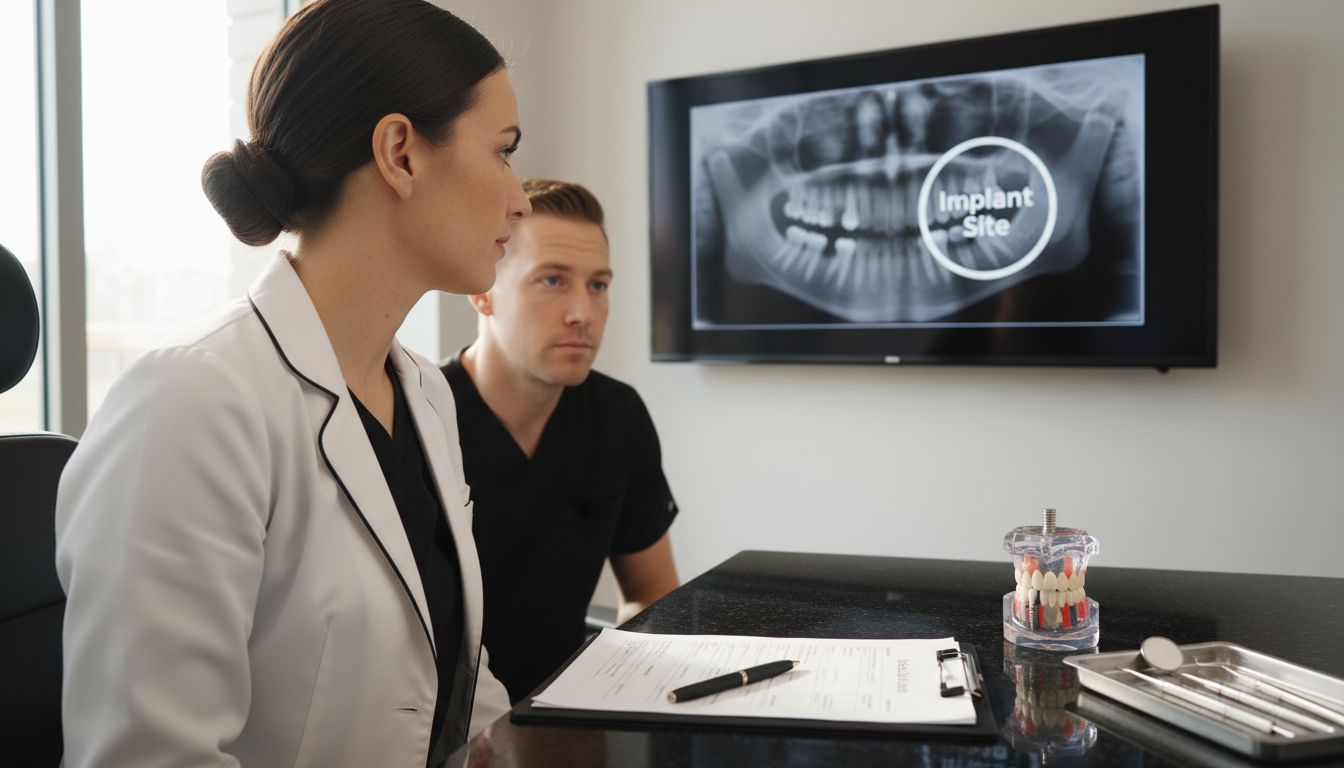
The initial phase involves a comprehensive patient evaluation, where dental professionals conduct thorough diagnostic assessments. This critical stage includes detailed imaging techniques like 3D cone beam CT scans, digital x-rays, and comprehensive oral examinations to assess bone density, jaw structure, and overall oral health. Dentists develop personalized treatment plans that account for individual anatomical variations, ensuring precise implant placement and optimal long-term outcomes.
Surgical implementation occurs through multiple precise stages. First, the damaged tooth or remaining tooth root is carefully removed. Next, the titanium implant is surgically inserted into the jawbone, creating an artificial tooth root. A critical healing period follows, during which osseointegration occurs—a biological process where the implant fuses with the surrounding bone tissue. This integration typically takes 3-6 months, during which the implant becomes permanently anchored. Once healing is complete, an abutment is attached to the implant, followed by the placement of the custom-designed prosthetic tooth or crown, completing the restoration process.
Patient preparation and post-surgical care are equally important components of successful dental implantation. Individuals must follow specific pre-surgical instructions, which may include dietary modifications, medication adjustments, and oral hygiene protocols. Post-surgical recovery involves managing potential discomfort, maintaining strict oral hygiene, and attending follow-up appointments to monitor healing and implant integration. While the entire process requires patience, dental implants offer a permanent solution that closely mimics natural teeth in both function and appearance.
Who Qualifies for Implant Dentistry?
Dental implant candidacy is determined by a complex evaluation of multiple physiological and health factors. Comprehensive patient assessment involves carefully examining an individual’s overall oral health, medical history, and specific anatomical characteristics that influence successful implant integration.
Ideal candidates for dental implants typically demonstrate several key qualifications. Bone density plays a critical role, as sufficient jawbone volume is essential for anchoring the implant securely. Patients with inadequate bone structure may require preliminary bone grafting procedures to create a stable foundation. General health conditions significantly impact implant success. Uncontrolled chronic diseases like diabetes, autoimmune disorders, or conditions that compromise healing can potentially complicate the implantation process. Nonsmokers and individuals with excellent oral hygiene tend to experience higher success rates, as these factors directly influence the body’s ability to heal and integrate the titanium implant.
Certain medical and lifestyle considerations can affect implant eligibility. Age is not necessarily a disqualifying factor, though younger patients with fully developed jawbones tend to have more predictable outcomes. Patients taking medications that impact bone metabolism, undergoing radiation therapy, or experiencing ongoing dental infections might require specialized evaluation. Dental professionals conduct thorough screenings to determine whether alternative treatments or preparatory procedures can optimize a patient’s candidacy for implant surgery.
The consultation process represents a crucial step in determining individual suitability for dental implants. Patients should expect comprehensive diagnostic imaging, detailed medical history reviews, and personalized treatment planning. Dental professionals assess not just physical readiness but also patient commitment to post-surgical care, oral hygiene maintenance, and long-term health management. While not everyone qualifies immediately, modern dental techniques often provide pathways to prepare patients for successful implant procedures through targeted interventions and personalized treatment strategies.
Risks, Costs, and Care Considerations
Dental implant procedures involve comprehensive financial and medical considerations that patients must carefully evaluate. Understanding potential risks and investment requirements helps patients make informed decisions about their oral health restoration journey.
Potential medical risks associated with dental implants include peri-implantitis, infection, and potential nerve damage. Mechanical complications can arise from improper placement or individual healing variations. Patients with compromised immune systems, uncontrolled diabetes, or those who smoke face higher risks of implant failure. The success rate remains high, typically ranging between 95-98%, but individual factors significantly influence outcomes. Potential complications may include implant loosening, bone loss around the implant site, or rare instances of allergic reactions to titanium materials.
Cost considerations for dental implants vary widely based on multiple factors. A single dental implant can range from $1,500 to $6,000, depending on geographic location, dentist expertise, and additional procedural requirements like bone grafting or sinus lifts. Full-mouth reconstructions can exceed $20,000, making comprehensive insurance coverage or financing plans critical. Patients should anticipate additional expenses such as initial consultations, diagnostic imaging, potential preparatory procedures, and follow-up care.
Long-term care and maintenance represent crucial components of successful dental implant outcomes. Regular dental hygiene practices, including professional cleanings, periodic x-rays, and meticulous home care, directly impact implant longevity. Patients must commit to routine dental check-ups, avoid habits that stress implants (like teeth grinding), and maintain overall oral and systemic health. While dental implants can last decades with proper care, they require the same diligent maintenance as natural teeth—potentially representing a lifelong investment in oral wellness.
Comparing Implants With Other Tooth Solutions
Patients exploring tooth replacement options face multiple choices, each with distinct advantages and limitations. Dental restoration techniques have evolved significantly, offering increasingly sophisticated solutions for missing teeth that go beyond traditional approaches.
Traditional options like dental bridges and removable dentures differ fundamentally from dental implants. Bridges require grinding down adjacent healthy teeth to create anchoring points, potentially compromising long-term dental health. Removable dentures offer less stability and can cause bone resorption over time. Dental implants, by contrast, provide a permanent solution that mimics natural tooth roots, preserving jawbone integrity and preventing structural deterioration. These titanium-based prosthetics integrate directly into the bone, offering unparalleled stability, functionality, and aesthetic appearance.
Each tooth replacement method carries unique benefits and drawbacks. Bridges are less expensive initially but may require replacement every 5-10 years. Dentures offer affordability but can slip, cause discomfort, and require frequent adjustments. Implants represent a more substantial upfront investment but provide long-term value through durability, improved oral health, and reduced future dental interventions. The choice depends on individual factors like bone density, overall health, budget, and personal preferences.
Advanced dental technologies continue to refine implant solutions, making them increasingly accessible and adaptable. Modern techniques like All-on-4 implants can restore entire dental arches with minimal surgical intervention, offering hope for patients with extensive tooth loss. While not universally suitable, dental implants increasingly represent the gold standard in tooth replacement, combining medical innovation with patient-centered restoration strategies.
Discover Personalized Dental Implant Solutions at DentalAteliers
Struggling with missing teeth or unsure if dental implants are right for you is common. This guide has explained how implants provide a stable, long-lasting foundation that restores both function and appearance. You deserve a treatment plan that takes into account your unique bone structure, health history, and lifestyle to ensure the best results. At DentalAteliers, Dr. Kunal Narang and the team specialize in implant dentistry techniques like All-on-4 and single-tooth implants that can transform your smile while preserving your oral health.

Ready to take the next step toward a confident smile and improved oral function? Visit DentalAteliers to explore detailed descriptions of implant procedures tailored to your needs. Learn why many patients trust us for comprehensive care including implant dentistry explained and how a personalized consultation can begin your journey. Do not wait another day to regain comfort and confidence Contact us now to schedule your appointment and experience exceptional dental care in a welcoming environment.
Frequently Asked Questions
What are dental implants and how do they work?
Dental implants are titanium posts surgically placed into the jawbone to serve as artificial tooth roots. They provide a stable foundation for prosthetic teeth, helping restore chewing capability and aesthetics.
Who is a good candidate for dental implants?
Ideal candidates for dental implants generally have sufficient bone density, good overall health, and maintain proper oral hygiene. Individuals with uncontrolled chronic diseases or insufficient bone may need additional procedures to ensure success.
What is the dental implant procedure like?
The dental implant procedure involves several stages: a comprehensive evaluation, surgical placement of the implant, a healing period for osseointegration, and finally, attachment of the custom-designed prosthetic tooth or crown.
How do dental implants compare to other tooth replacement options?
Dental implants offer a permanent solution that mimics natural tooth roots, preserving jawbone health, compared to traditional options like bridges and dentures, which may require alteration of adjacent teeth and can lead to bone resorption over time.

.svg)