
Over fifty percent of American adults report feeling dissatisfied with the look of their smile. This concern drives many people to seek cosmetic dentistry, yet common myths often stand in the way of truly understanding its benefits. Misconceptions can overshadow the real impact these procedures have on both dental health and confidence. Here, you will discover how modern cosmetic dentistry combines advanced science and artistic skill to help individuals achieve healthier, brighter smiles.
Table of Contents
- Defining Cosmetic Dentistry And Common Misconceptions
- Popular Cosmetic Dentistry Procedures Explained
- Benefits For Dental Health And Self-Esteem
- Comparing Cosmetic And Restorative Dentistry
- Risks, Costs, And Patient Candidacy Considerations
Key Takeaways
| Point | Details |
|---|---|
| Cosmetic Dentistry Focus | Cosmetic dentistry improves aesthetics while enhancing oral health, targeting imperfections in teeth, gums, and smiles. |
| Common Misconceptions | Misunderstandings about cosmetic treatments often overlook their functional benefits, leading to unrealistic expectations. |
| Psychological Benefits | Procedures can significantly improve self-esteem and social interactions, addressing both aesthetic and psychological needs. |
| Patient Candidacy | Evaluating risks, costs, and individual health conditions is essential for optimal treatment selection in cosmetic dentistry. |
Defining Cosmetic Dentistry and Common Misconceptions
Cosmetic dentistry represents a specialized branch of dental care focused on improving the aesthetic appearance of teeth, gums, and overall smile while simultaneously enhancing oral health. Unlike traditional dentistry that primarily addresses functional concerns, cosmetic dental procedures aim to create visually appealing and confident dental presentations. Patients increasingly seek these transformative treatments to address imperfections such as discoloration, misalignment, chips, gaps, and structural irregularities.
Numerous misconceptions surround cosmetic dental treatments, often stemming from unrealistic expectations and limited understanding of the comprehensive nature of these procedures. Research exploring the ethical dimensions of cosmetic dental marketing highlights how social media and advertising can distort patient perceptions, potentially prioritizing aesthetic outcomes over fundamental health considerations. These misconceptions can lead individuals to view cosmetic dentistry as purely superficial, overlooking the significant functional and psychological benefits these treatments provide.
The reality of cosmetic dentistry extends far beyond simple aesthetic enhancements. Cosmetic dental procedures are intricate medical interventions that require advanced technical skills, precise diagnostic capabilities, and a deep understanding of dental anatomy. Skilled practitioners carefully evaluate each patient’s unique oral structure, considering factors like bite alignment, tooth strength, gum health, and long-term functional outcomes. Common treatments like teeth whitening, dental veneers, crowns, and orthodontic alignments not only improve visual appeal but can also correct structural issues, prevent future dental complications, and restore patients’ confidence in their smiles. Understanding common dental procedures can help patients make informed decisions about their oral health and aesthetic goals.
By dispelling myths and providing accurate information, dental professionals can help patients understand that cosmetic dentistry represents a sophisticated blend of medical expertise, artistic skill, and personalized care. It is not about creating unrealistic standards but about helping individuals achieve healthy, functional, and confident smiles that reflect their unique personality and well-being.
Popular Cosmetic Dentistry Procedures Explained
Cosmetic dentistry offers a diverse range of transformative procedures designed to enhance both dental aesthetics and functionality. Comprehensive dental textbooks showcase the extensive innovations in modern dental treatments, highlighting the sophisticated techniques available to patients seeking smile improvements. These procedures go beyond simple visual enhancements, addressing structural concerns and boosting overall oral health and personal confidence.
Teeth whitening stands out as one of the most popular cosmetic dental treatments, offering a quick and effective solution for discolored or stained teeth. Recent literature reviews exploring dental innovations demonstrate significant advancements in bleaching agents, providing patients with more effective and longer-lasting whitening solutions. Modern whitening techniques range from in-office professional treatments to customized at-home whitening systems, each tailored to address individual patient needs and sensitivity levels.
Dental veneers represent another sophisticated cosmetic procedure that can dramatically transform a patient’s smile. These thin, custom-crafted porcelain shells are meticulously designed to cover the front surface of teeth, correcting imperfections such as chips, gaps, discoloration, and minor misalignments. Understanding dental prosthetics can help patients comprehend the intricate process of designing and applying these precision dental enhancements. Advanced veneer techniques now allow for minimally invasive preparations, preserving more natural tooth structure while delivering remarkable aesthetic results.
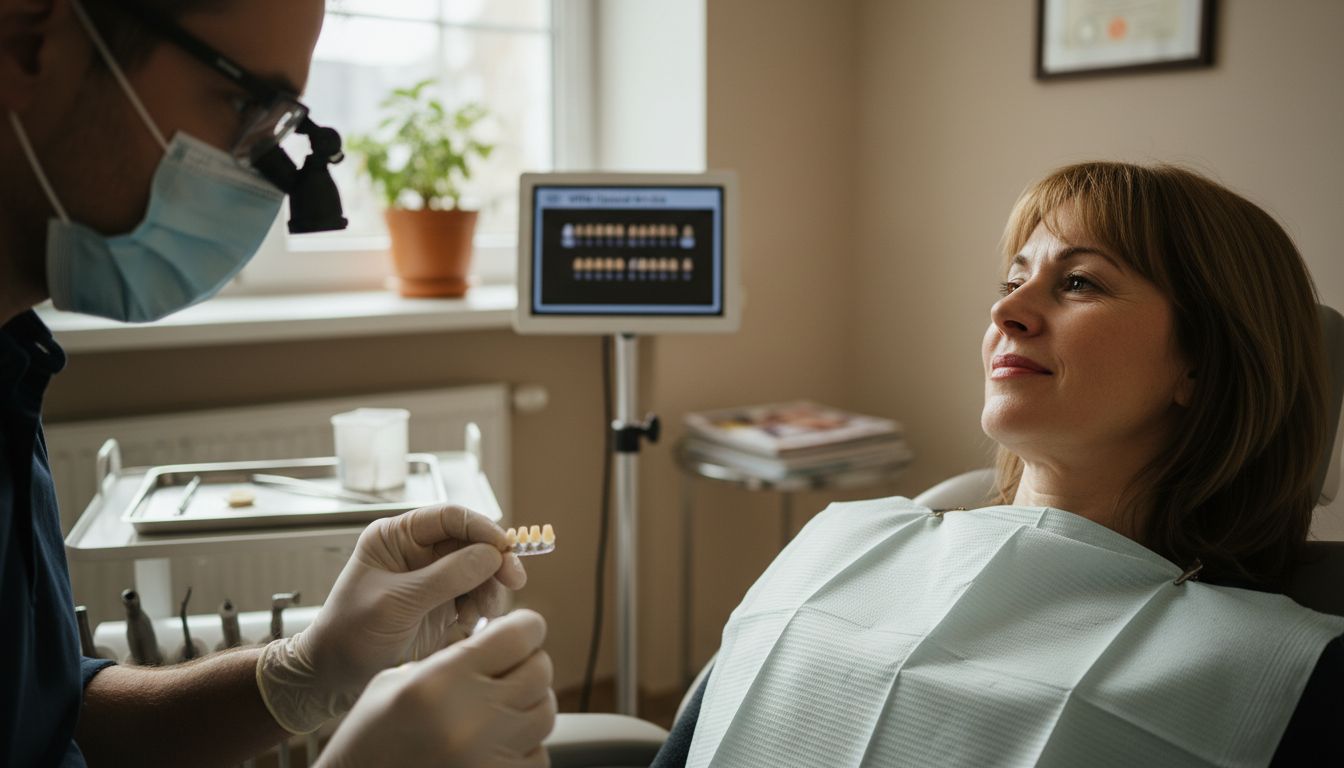
Other notable cosmetic dental procedures include dental bonding, which uses tooth-colored resin to repair chips and gaps, orthodontic treatments like clear aligners for teeth straightening, and gum contouring to reshape uneven gum lines. Each procedure is carefully customized to address unique dental characteristics, ensuring that patients receive personalized treatments that not only improve their smile’s appearance but also contribute to long-term oral health and personal confidence.
Benefits for Dental Health and Self-Esteem
Cosmetic dentistry extends far beyond surface-level aesthetic improvements, offering profound psychological and physiological benefits that significantly impact an individual’s overall well-being. Comprehensive psychological studies reveal the transformative impact of dental procedures on patients’ self-perception and quality of life, demonstrating that dental treatments can fundamentally reshape both oral health and personal confidence.
The psychological dimensions of cosmetic dental procedures are particularly remarkable. Dental public health research consistently highlights the deep connection between dental appearance and self-esteem, showing that patients who undergo cosmetic treatments often experience substantial improvements in social interactions, professional opportunities, and emotional well-being. Correcting dental imperfections can alleviate long-standing insecurities, enabling individuals to smile more freely and engage more confidently in both personal and professional settings. These psychological benefits are not merely superficial but represent genuine improvements in mental health and social functioning.
From a physiological perspective, many cosmetic dental procedures simultaneously address underlying health concerns. Maintaining healthy oral habits becomes easier when patients feel motivated to preserve their improved dental appearance. Treatments like dental veneers, crowns, and aligners not only enhance aesthetic appeal but can also correct structural misalignments, prevent future dental complications, and improve overall oral hygiene. By addressing both functional and aesthetic aspects, cosmetic dentistry provides a holistic approach to dental wellness that goes beyond traditional treatment models.

Ultimately, the benefits of cosmetic dentistry transcend mere visual enhancement. These procedures represent a powerful intersection of medical intervention, psychological support, and personal transformation. By restoring dental function, improving appearance, and boosting self-confidence, cosmetic dental treatments offer patients a comprehensive pathway to improved health, enhanced self-image, and greater overall quality of life.
Comparing Cosmetic and Restorative Dentistry
Cosmetic and restorative dentistry represent complementary yet distinct approaches to dental care, each serving unique patient needs while sharing the fundamental goal of improving oral health and functionality. Dental research emphasizes the critical balance between aesthetic considerations and functional harmony, highlighting the intricate relationship between visual appearance and structural integrity of dental treatments.
Restorative dentistry primarily focuses on repairing and rehabilitating teeth that have been damaged by decay, trauma, or disease. These procedures aim to restore basic dental function, including the ability to chew, speak, and maintain proper oral structure. Treatments such as fillings, crowns, bridges, and dental implants are designed to address structural problems, prevent further deterioration, and maintain overall oral health. Composite dental fillings exemplify this approach by providing both functional repair and aesthetic matching to natural tooth color.
Cosmetic dentistry, in contrast, emphasizes visual enhancement while simultaneously addressing functional concerns. Procedures like teeth whitening, veneers, and orthodontic alignments not only improve the appearance of teeth but often contribute to better oral health by correcting misalignments, protecting tooth surfaces, and motivating patients to maintain improved dental hygiene. The key distinction lies in the primary motivation: restorative dentistry seeks to repair and protect, while cosmetic dentistry aims to enhance and beautify. However, the most advanced treatments seamlessly integrate both objectives, ensuring that aesthetic improvements do not compromise structural integrity or long-term dental wellness.
Ultimately, the most effective dental care approaches recognize the interconnected nature of dental aesthetics and functionality. Protecting dental restorations requires a holistic understanding that beauty and health are not mutually exclusive but rather complementary aspects of comprehensive oral care. Whether addressing functional repairs or aesthetic enhancements, modern dentistry continues to evolve, offering patients increasingly sophisticated solutions that prioritize both the visual and structural well-being of their smiles.
Risks, Costs, and Patient Candidacy Considerations
Cosmetic dental procedures require careful evaluation of potential risks, financial implications, and individual patient suitability. Systematic research highlights the critical importance of ethical considerations and patient education in preventing potential misconceptions and ensuring appropriate treatment selection. Understanding these factors helps patients make informed decisions about their dental health and aesthetic goals.
Financial considerations play a significant role in patient candidacy for cosmetic dental treatments. Procedures can range from relatively affordable teeth whitening to more extensive interventions like full smile reconstructions, with costs varying widely based on complexity, materials, and professional expertise. Dental health resources recommend patients thoroughly investigate insurance coverage, payment plans, and long-term maintenance expenses before committing to any cosmetic dental procedure. Some treatments may require periodic maintenance or follow-up interventions, which can substantially impact overall financial investment.
Comprehensive dental public health research emphasizes the biological and physiological risks associated with cosmetic dental treatments. Potential complications can include tooth sensitivity, gum irritation, temporary or permanent nerve damage, and unexpected interactions with existing dental conditions. Patient candidacy depends on multiple factors such as overall oral health, existing medical conditions, bone density, gum health, and individual healing capabilities. Patients with chronic health issues, compromised immune systems, or significant dental infrastructure challenges may require more extensive pre-treatment evaluations to minimize potential risks.
Ultimately, successful cosmetic dental treatments demand a collaborative approach between patients and dental professionals. Transparent communication about expectations, comprehensive health assessments, and realistic outcome projections are essential. Patients should prioritize finding qualified practitioners who provide thorough consultations, explain potential risks candidly, and develop personalized treatment plans that balance aesthetic desires with individual health requirements. By approaching cosmetic dentistry with careful consideration and professional guidance, patients can achieve transformative results while minimizing potential complications.
Transform Your Smile and Confidence with Expert Cosmetic Dentistry
Cosmetic dentistry is not just about improving your smile’s appearance but also about enhancing your oral health and boosting your self-esteem. If you face challenges like discoloration, misalignment, or chipped teeth, it is crucial to seek specialized care that balances aesthetics with long-term dental wellness. At DentalAteliers.com, led by Dr. Kunal Narang, you will find a patient-centered approach that values both your health and confidence. Our advanced treatments such as Invisalign, dental veneers, and same-day crowns are designed to restore function and create the beautiful smile you deserve.

Take the first step to experience a personalized dental journey with a warm and welcoming environment where your comfort is a priority. Explore detailed treatment options, transparent pricing, and real patient stories at DentalAteliers.com. Don’t wait to improve your smile and quality of life—request an appointment online today and see how expert cosmetic dentistry can transform you.
Frequently Asked Questions
What is cosmetic dentistry?
Cosmetic dentistry is a specialized branch of dental care focused on improving the aesthetic appearance of teeth, gums, and smiles while enhancing overall oral health. It includes procedures like teeth whitening, veneers, and orthodontics aimed at correcting imperfections and boosting confidence.
How does cosmetic dentistry improve self-esteem?
Cosmetic dental procedures can significantly enhance self-esteem by addressing dental imperfections such as discoloration and misalignment. Patients often experience improved social interactions and increased confidence, which contribute to a better overall quality of life.
What are some common cosmetic dental procedures?
Common cosmetic dental procedures include teeth whitening, dental veneers, dental bonding, orthodontic treatments (like clear aligners), and gum contouring. Each of these treatments is tailored to improve the appearance and function of a patient’s smile.
Are there risks associated with cosmetic dental procedures?
Yes, cosmetic dental procedures can carry risks such as tooth sensitivity, gum irritation, and potential nerve damage. It is crucial for patients to discuss these risks with their dental professionals to ensure appropriate treatment planning and personalized care.

.svg)