
Over 1.6 million American adults receive dental implants each year, yet many still hesitate when it comes to choosing the right material. The rise of zirconia implants is changing what patients expect from dental restorations, blending aesthetics with proven strength. Whether you care most about a natural appearance or need a hypoallergenic solution, understanding how these ceramic alternatives compare to traditional options can help you make a more informed and confident choice.
Table of Contents
- What Zirconia Implants Are
- Aesthetic And Biocompatible Benefits
- Material Strength And Osseointegration
- Risks, Limitations, And Misconceptions
- Cost And Treatment Implications
- Comparing Zirconia And Titanium Alternatives
Key Takeaways
| Point | Details |
|---|---|
| Zirconia Implants Offer Aesthetic Advantages | Zirconia implants provide a natural, tooth-like appearance and minimize the risk of visible metal margins, enhancing overall restoration aesthetics. |
| Biocompatibility and Health Benefits | These implants exhibit improved biocompatibility, reducing plaque accumulation and bacterial adhesion, leading to better long-term oral health outcomes. |
| Comparable Performance to Titanium Implants | Research shows that zirconia implants demonstrate clinical performance similar to titanium alternatives, making them a reliable option for dental restorations. |
| Considerations for Cost and Treatment | While initial costs may be higher, the long-term benefits and reduced biological complications warrant a thorough evaluation of zirconia implants in dental treatment plans. |
What Zirconia Implants Are
Zirconia implants are advanced ceramic dental prosthetics designed to replace missing teeth with exceptional aesthetic and functional properties. Unlike traditional metal implants, zirconia offers a tooth-colored alternative that seamlessly blends with natural dentition, providing patients with a more natural looking restoration.
These innovative dental devices are crafted from zirconium dioxide, a sophisticated ceramic material known for its remarkable strength and biocompatibility. Ceramic alternatives to titanium implants represent a significant advancement in dental technology, addressing both structural and cosmetic considerations for patients seeking tooth replacement solutions.
Key characteristics of zirconia implants include:
- Exceptional mechanical durability
- Natural tooth-like color and translucency
- Potential for improved biocompatibility
- Reduced risk of allergic reactions compared to metal implants
- Resistance to corrosion and chemical degradation
While zirconia implants show tremendous promise, researchers continue investigating methods to enhance their integration with natural hard tissues. The ongoing refinement of zirconia implant technology suggests an exciting future for patients seeking advanced dental restoration options that prioritize both functional performance and aesthetic excellence.
Aesthetic And Biocompatible Benefits
Zirconia implants have emerged as a groundbreaking solution for patients seeking dental restorations that prioritize both visual appeal and biological compatibility. Aesthetic advantages over traditional metal implants include a natural tooth-like appearance that eliminates the potential for unsightly metal margins, creating a more seamless and realistic dental restoration.
Beyond their visual benefits, zirconia implants demonstrate remarkable biocompatibility characteristics that set them apart from conventional titanium alternatives. These ceramic implants exhibit significantly reduced plaque accumulation and lower microbiological contamination, which contributes to improved oral health and long-term patient outcomes.
Key aesthetic and biocompatible benefits include:
- Natural, translucent appearance matching surrounding teeth
- Minimal risk of visible metal discoloration
- Reduced bacterial adhesion
- Enhanced soft tissue response
- Hypoallergenic properties for patients with metal sensitivities
Patients with specific aesthetic concerns or those seeking a more holistic dental solution will find zirconia implants particularly appealing. The material’s unique properties not only address cosmetic requirements but also provide a robust, health-conscious approach to dental restoration that aligns with modern patients’ sophisticated wellness expectations.
Material Strength And Osseointegration
Zirconia implants represent a sophisticated advancement in dental restoration technology, characterized by exceptional material strength and remarkable osseointegration capabilities. Preclinical studies demonstrate that zirconia implants achieve bone-to-implant contact comparable to traditional titanium implants, suggesting their potential as a robust alternative for long-term dental solutions.
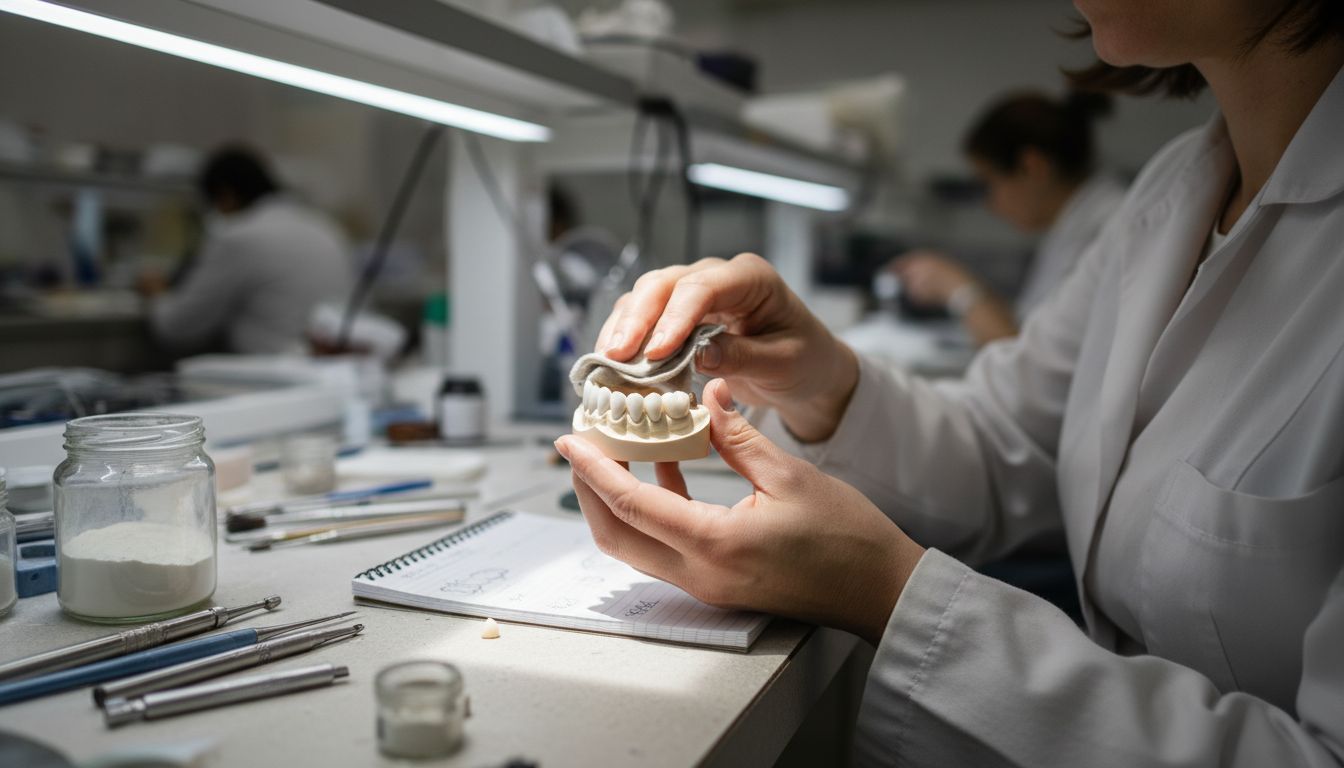
Research reveals fascinating insights into the mechanical performance of zirconia implants. Higher insertion torque and resonance frequency values indicate superior initial stability, which is crucial for successful dental implant procedures. While micromovement characteristics remain consistent with titanium implants, zirconia’s unique material properties offer distinct advantages in structural integrity and patient outcomes.
Key aspects of zirconia implant strength and integration include:
- Exceptional mechanical durability
- Comparable bone-to-implant contact rates
- Minimal micromovement under functional load
- Resistance to mechanical stress
- Potential for long-term structural stability
The technical nuances of dental implant terminology underscore the complex engineering behind these advanced ceramic prosthetics. Zirconia’s exceptional material properties not only match but in some aspects exceed traditional metallic implant materials, presenting patients with an innovative solution that combines scientific precision with aesthetic sophistication.
Risks, Limitations, And Misconceptions
While zirconia implants represent an innovative dental solution, it is crucial to approach their implementation with a comprehensive understanding of potential limitations and scientific nuances. Long-term performance studies suggest potential challenges, including higher marginal bone loss compared to traditional titanium implants, which patients and dental professionals must carefully evaluate.
Systematic reviews have challenged common misconceptions about zirconia implant durability, revealing no statistically significant difference in survival rates between zirconia and titanium alternatives. This scientific evidence undermines previous skepticism and demonstrates the material’s potential for reliable long-term dental restoration.
Common misconceptions and potential risks include:
- Perceived lower mechanical strength compared to titanium
- Concerns about long-term structural integrity
- Potential for increased marginal bone loss
- Limited long-term clinical research
- Higher manufacturing complexity and cost
Patients considering zirconia implants should engage in thorough consultations with dental professionals who can provide personalized insights based on individual oral health conditions. While the technology continues to evolve, a balanced approach that acknowledges both the remarkable advantages and potential limitations will ensure the most informed decision-making process for dental restoration.
Cost And Treatment Implications
Dental implant treatments represent significant financial investments that require careful consideration of both immediate and long-term factors. Comparative studies examining implant performance over a 12-month period provide critical insights into the clinical and financial implications of choosing zirconia over traditional titanium implants, helping patients make more informed decisions about their dental restoration options.
Systematic reviews consistently demonstrate comparable survival rates between zirconia and titanium implants, suggesting that cost differences may not necessarily correlate with substantial variations in treatment outcomes. This scientific evidence challenges patients’ assumptions about material-based pricing and encourages a more nuanced approach to evaluating dental implant technologies.
Key cost and treatment considerations include:
- Initial procedure expenses
- Long-term maintenance requirements
- Potential need for future interventions
- Insurance coverage variations
- Individual patient anatomical factors
Patients should approach zirconia implant treatments as comprehensive healthcare investments. While upfront costs might appear higher, the potential benefits of aesthetic durability, reduced biological complications, and personalized restoration techniques can offset initial financial considerations. A thorough consultation with dental professionals can help develop a transparent treatment plan that balances clinical effectiveness with individual budgetary constraints.
Comparing Zirconia And Titanium Alternatives
Systematic reviews of randomized controlled trials have fundamentally transformed our understanding of dental implant materials, revealing that zirconia and titanium alternatives offer remarkably comparable clinical performance. While traditional titanium implants have long been the standard, zirconia has emerged as a sophisticated alternative that challenges previous assumptions about material effectiveness.
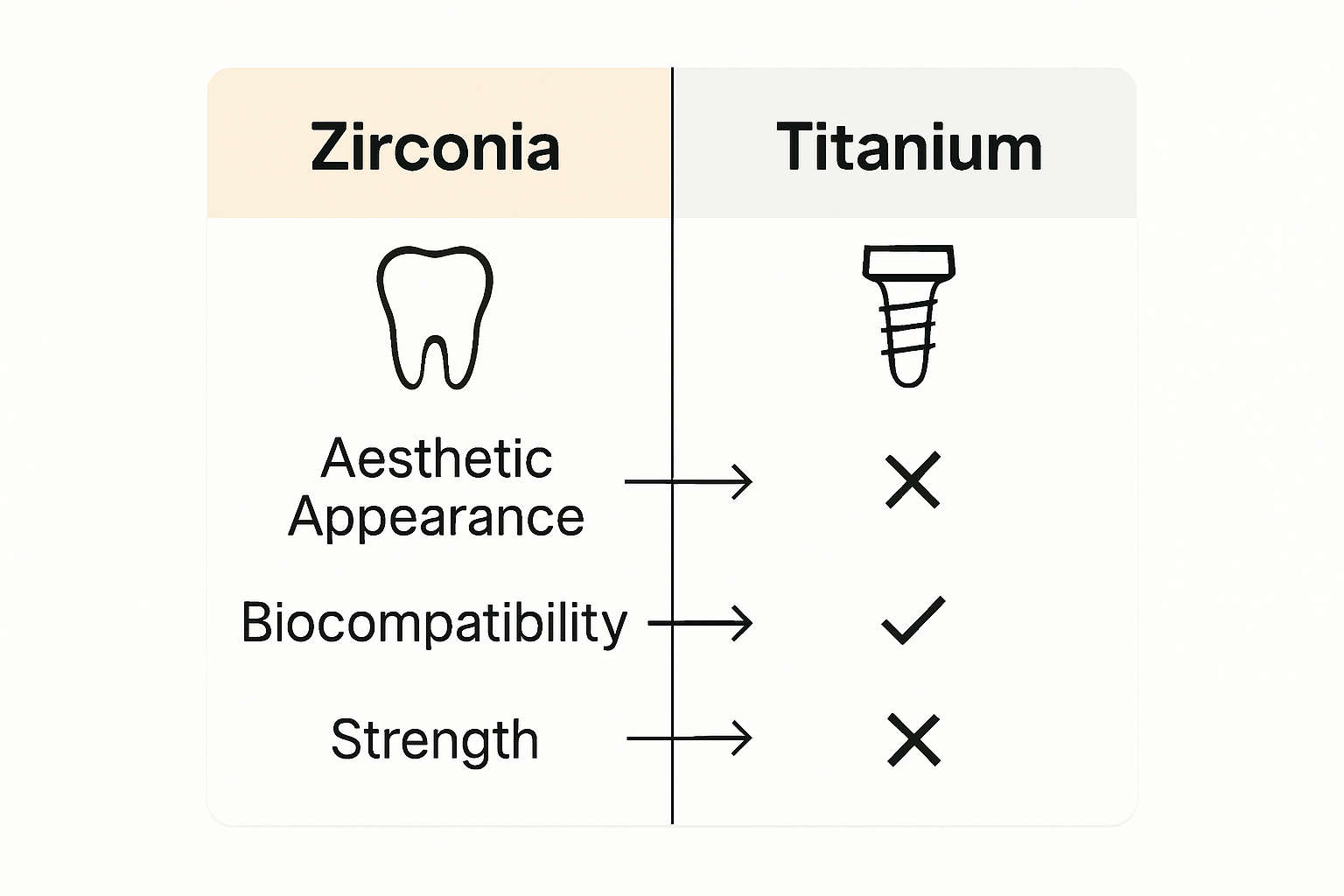
A comprehensive systematic review evaluating survival and success rates examined multiple parameters including aesthetic outcomes, radiographic assessments, and potential mechanical complications. These rigorous scientific investigations suggest that patients now have genuinely equivalent options when considering dental implant materials.
Key comparative considerations between zirconia and titanium implants include:
- Material composition and structural properties
- Aesthetic appearance and translucency
- Biocompatibility and tissue response
- Long-term durability and performance
- Potential for allergic reactions or sensitivities
Dental implant technologies continue to evolve, offering patients increasingly sophisticated choices. While both zirconia and titanium present viable solutions, individual patient needs, oral health conditions, and specific aesthetic requirements will ultimately guide the most appropriate selection.
Discover the Advantages of Zirconia Implants at DentalAteliers.com
Choosing the right dental implant is a critical decision that impacts both your smile and overall oral health. This article highlights key challenges such as selecting a biocompatible, aesthetically pleasing, and strong dental restoration material. Zirconia implants provide a natural tooth-like appearance, excellent osseointegration, and reduced risk of allergic reactions—perfect for patients who value both function and style.
At DentalAteliers.com, Dr. Kunal Narang and his team specialize in advanced implant dentistry—including full-arch zirconia restorations that combine aesthetic excellence with durable performance. Experience a patient-centered environment designed to make your dental journey comfortable and transparent. From clear pricing to personalized treatment plans, every step is focused on your confidence and long-term smile health.

Ready to explore how zirconia implants can transform your smile and restore your confidence? Visit DentalAteliers.com today to schedule a consultation or learn more about implant dentistry. Take the step toward a healthier, more radiant smile that lasts.
Frequently Asked Questions
What are zirconia implants and how do they differ from titanium implants?
Zirconia implants are advanced ceramic dental prosthetics made from zirconium dioxide, offering a tooth-colored, aesthetic alternative to traditional titanium implants. Unlike titanium, zirconia is biocompatible, reducing the risk of allergic reactions and providing a more natural look.
What are the aesthetic benefits of choosing zirconia implants?
Zirconia implants provide a natural tooth-like appearance, eliminating the risk of visible metal margins that can occur with titanium implants. They also exhibit translucency, allowing them to blend seamlessly with surrounding natural teeth.
Are zirconia implants as strong as titanium alternatives?
Yes, zirconia implants demonstrate exceptional mechanical durability and comparable bone-to-implant contact rates to titanium implants. They offer superior initial stability due to higher insertion torque and resonance frequency values.
What are the potential risks or limitations of zirconia implants?
While zirconia implants have many advantages, some limitations include the potential for increased marginal bone loss compared to titanium and the need for more long-term clinical research. Consulting with dental professionals can help assess individual suitability and risks.

.svg)